
Protein Bar vs. Shake: Which Fits Your Day?
Compare a protein bar vs shake by protein, calories, ingredients, convenience, and workout timing. Find the right fit for your day with WSN Protein + Hydration.

Choose whey protein for a complete milk-protein option when dairy fits your diet; choose plant protein when you need a vegan or milk-protein-free option. Whey is a milk protein; plant powders use sources such as soy, peas, rice, or a blend. Both can contribute to a protein-rich diet, but their ingredients and finished servings deserve a closer look than a simple “animal versus plant” verdict.
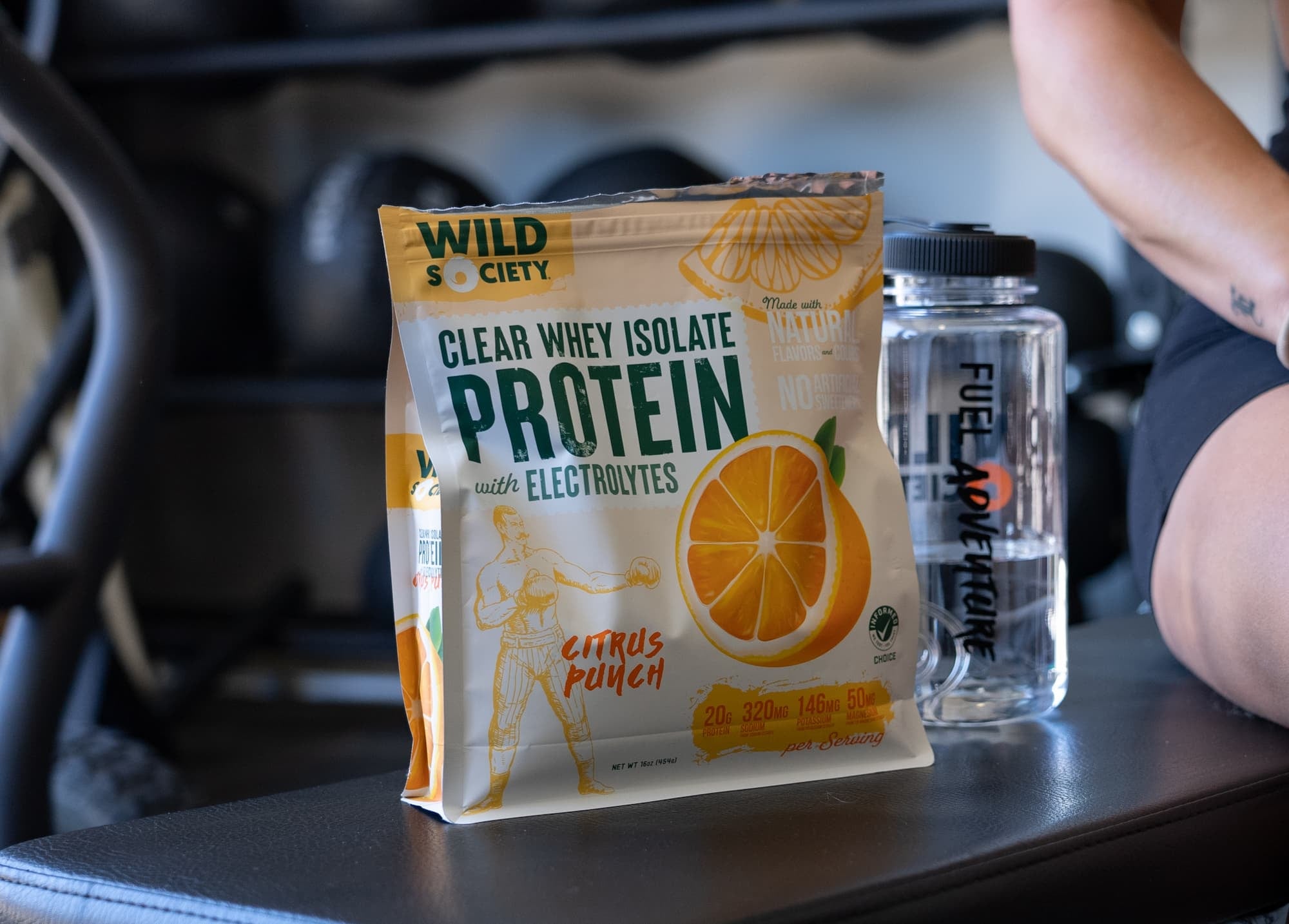
For a creamy dairy-based option, Wild Society Nutrition Grass-Fed Whey delivers 25g protein per serving. If you prefer a fruit-flavored drink, whey can do that too: Clear Whey Isolate provides 20g protein per serving. Texture and protein source are separate choices.
Start with the choice that matters most to you. A vegan requirement settles the source question immediately. If dairy fits your diet, compare the actual powder's protein serving, ingredients, flavor, and preparation before choosing between whey and a plant-based option.
The amino acid profile tells you which building blocks the protein supplies; whey is a complete protein, while plant formulas depend on their named sources and blends. Milk allergy versus lactose is a separate decision: whey contains milk protein, and people avoiding milk protein need a milk-protein-free option.
| Choice | Protein source | What to compare | WSN example |
|---|---|---|---|
| Whey concentrate | Milk-derived whey | Protein per serving, ingredients, and a creamy shake format | Grass-Fed Whey: 25g protein per serving |
| Whey isolate | Milk-derived whey with additional processing | The finished formula and whether you prefer a clear or creamy drink | Clear Whey Isolate: 20g protein per serving |
| Plant protein | Soy, pea, rice, or other plant sources | Named source or blend, protein per serving, and dietary requirements | WSN's two whey powders above are dairy products |
For an everyday creamy shake with a defined protein serving, choose Vanilla Bean or Dutch Chocolate Grass-Fed Whey.

Vanilla Bean: 25g protein • 130 calories • 2g total sugars • 0g added sugars per scoop • Contains milk
No. Conventional whey protein is a milk protein, including whey isolate and whey concentrate. “Grass-fed” describes the cows' feeding background; the protein remains dairy-derived. A clear, fruit-flavored whey drink is still dairy-derived, even when it looks more like juice than a milkshake.
Check the ingredient list rather than judging the package color or prepared drink. If you want to understand the processing behind the names, our guide to how protein powder is made explains that separate question.
Protein quality involves more than the number printed on the front. Your body needs essential amino acids from food, and the amino acid profile describes the mixture a protein provides. The NIH Office of Dietary Supplements identifies whey as a complete protein and explains why both protein quality and adequate total intake matter for muscle maintenance and repair.
Whey is a straightforward way to include those amino acids. Plant protein is a broader category: a soy isolate, a pea powder, and a mixed-source blend are different formulations. Apply research findings to the specific source and formula studied.
Complete proteins supply all nine essential amino acids in adequate proportions. In a laboratory analysis of protein isolates, soy and pea contained more lysine than brown rice, while brown rice contained more methionine. Combining complementary sources can balance a blend's profile; compare the finished blend's essential amino acid amounts with whey. For pea protein vs whey or soy protein vs whey protein, compare the named sources and essential amino acid amounts per serving, rather than assuming all plant formulas have the same composition.
A useful comparison asks:
For dairy-compatible shoppers who want whey in a lighter drink, Clear Whey Isolate combines 20g protein per serving with electrolytes and a fruit-flavored format.

Strawberry Coconut: 20g protein • 90 calories • 0g sugars • 320mg sodium / 147mg potassium / 52mg magnesium per scoop • Contains milk
Yes, plant protein can support muscle-building nutrition alongside resistance training and sufficient overall intake. In a 2021 controlled training study, 19 habitual vegan and 19 omnivorous young men trained for 12 weeks. Protein-matched diets, supplemented with soy for the vegan group and whey for the omnivorous group, supported similar gains in muscle mass and strength.
That plant-protein training study compared complete diets in a small group of previously untrained young men. Its findings apply to those diets and training conditions. The useful conclusion is that a suitable protein source can work within a well-planned diet; the source works alongside the rest of that plan.
For help organizing food and supplements around your normal intake, see our guide to hitting your protein goals. Once that foundation is clear, buying a powder becomes a practical decision about the serving you want to use.
Digestibility, absorption, and personal comfort are separate considerations in a whey vs plant protein comparison. Assess how the exact formula fits your needs and preparation routine. The source, other ingredients, preparation, and individual needs all deserve attention.
Milk allergy concerns milk proteins; lactose is milk sugar. The FDA's allergen-label guidance identifies whey and casein as milk proteins. People who need to avoid milk protein should choose a milk-protein-free product, including when shopping for a clear drink.
For shoppers whose diet includes milk, Grass-Fed Whey's Vanilla Bean label identifies whey protein concentrate and provides 25g protein, 130 calories, and 0g added sugars per serving. It also lists the other ingredients used in the formula, including stevia, sunflower lecithin, and xanthan gum. That clear ingredient picture makes it easy to choose the creamy whey format that fits your routine.
Vanilla Bean: 25g protein • 130 calories • 2g total sugars • 0g added sugars per scoop • Contains milk

Whey itself comes from milk; the full ingredient list identifies the rest of the formula. Read the complete ingredient list and allergen information for the exact product and flavor. A plant powder also needs that check: identify whether its source is soy, pea, or a blend.
Keep source and formula separate when comparing products. Switching from whey to a plant powder changes the main protein, but may also change the sweetener, thickener, flavoring, or amount you mix. Looking at those changes together is more useful than assuming that one category always feels lighter or is always easier to digest.
The main tradeoff is that “plant-based protein” covers many different products. Their amino acid profiles, ingredients, and prepared textures vary, so one purchase may not tell you much about another. A powder made without milk protein can fit a dairy-free preference, but you still need to inspect its ingredient list and serving information.
For dairy-compatible shoppers, whey offers a clearly defined protein source with both creamy and clear options. If you prefer a lighter drink, clear whey offers a fruit-flavored alternative to a thick shake.
For whey vs pea protein taste, compare the finished flavors and preparation. Flavoring, sweeteners, processing, mixing liquid, and concentration shape the finished drink. Read the preparation directions and consider the experience you want: a creamy shake, a lighter fruit drink, or a powder that fits your established plant-based routine.
Grass-Fed Whey Vanilla Bean provides 25g protein and 130 calories per serving. Clear Whey Isolate Strawberry Coconut provides 20g protein and 90 calories per serving. Keep each product's stated serving attached to those figures when comparing the options.
The FDA explains that Nutrition Facts are tied to the stated serving. If you add milk or other ingredients, include those separately when considering the complete drink. Add your chosen mixing ingredients to the powder's figures.
Trying the format can be a smaller decision than buying a full bag. Clear Whey single-serve packs provide a way to try a fruit flavor before choosing your regular supply. The Lemon Lime packet provides 20g protein and 90 calories, with 0g total and added sugars.

Shop Single Serve Clear Isolate
Lemon Lime: 20g protein • 90 calories • 0g sugars per serving • Powder packet, mix with water • Contains milk
Compare labeled servings per package, the preparation you prefer, and the ingredients you want. Read the servings-per-package figure and the protein in each labeled serving. This keeps the purchase grounded in what you will use rather than package size alone.
If dairy already fits your diet and you are deciding between its two powder types, our whey isolate versus concentrate guide covers that choice. For the drinking experience, see clear whey versus regular whey.
Use this short checklist to turn the comparison into a purchase:

Consider someone who wants a creamy vanilla shake at home. Grass-Fed Whey's Vanilla Bean serving lists 2g total sugars and 0g added sugars. Total sugars include the sugars already present in the ingredients; added sugars identify the amount added during production. This shopper can choose the creamy formula with a clear understanding of what the serving contains.
A different shopper wants a fruit-flavored protein drink and wants to see the electrolytes separately. Clear Whey Isolate Strawberry Coconut lists 320mg sodium, 147mg potassium, and 52mg magnesium per serving, alongside 0g total and added sugars. The individual figures make the formula easier to compare with the rest of that person's routine than a single combined “electrolytes” number.
The choice is now concrete:
Each example shows how a suitable whey product meets a specific preference. Once the dietary requirement and protein source are settled, those everyday details help you choose something you will enjoy using.
The healthiest plant protein choice for you depends on dietary fit and the finished formula. Start with dietary suitability, then compare the named protein source, full ingredient list, and the serving's contribution to your meals. Compare a blend and a single-source powder using their essential amino acid profiles and Nutrition Facts.
For a broader ingredient-quality checklist, use our guide to choosing a clean protein powder. Apply the same clear standards to plant and whey options instead of letting one front-label word make the entire decision.
If whey fits your diet, choose the experience you want to repeat: Grass-Fed Whey for a creamy 25g protein serving, or Clear Whey Isolate for 20g protein in a fruit-flavored drink. Start with a Clear Whey single-serve pack to find your flavor.
This article is for general informational purposes and isn't medical advice.

Best Sellers
Use this text to share information about your collection with your customers.