

Whey Protein vs Plant Protein: How to Compare Them
Compare whey and plant protein for amino acids, muscle support, digestion, texture, and label value, then choose the format that fits your routine.

Choose whey for an everyday protein drink with creamy or clear options; choose casein when you specifically prefer a slower-digesting milk protein. Both are complete milk proteins. Whey generally produces a faster rise in circulating amino acids, while casein produces a more prolonged response, and your preferred ingredients and prepared drink help determine which fits your routine.
The useful casein vs whey protein comparison starts with the finished serving. For a creamy whey option, Wild Society Nutrition Grass-Fed Whey provides 25g protein per serving in Vanilla Bean or Dutch Chocolate. You can also choose whey isolate in a fruit-flavored clear drink. One suitable powder can serve your everyday routine.
Casein and whey are different proteins found in milk. Conventional casein powder is dairy-derived, just as whey powder is; neither is a plant protein such as pea or soy. Protein source, digestion kinetics, and milk-protein blend ingredients answer different questions, so keep them separate when comparing labels.
A casein shake can supplement the protein in your diet, and conventional casein is dairy-derived. Its practical pros and cons include a complete protein source on one side and milk-protein restrictions or an unwanted prepared texture on the other. Check whether that particular supplement fits your diet and the shake you want to make.
| Decision | Casein | Whey | WSN example |
|---|---|---|---|
| Protein source | Milk protein | Milk protein | Grass-Fed Whey uses whey concentrate |
| Amino acid supply | Complete protein | Complete protein | Grass-Fed Whey provides 25g protein per serving |
| General digestion pattern | More prolonged amino acid release | Faster initial amino acid rise | Clear Whey uses whey isolate, not casein |
| Finished drink | Check formula and preparation | Creamy or clear formats are available | Grass-Fed Whey is creamy; Clear Whey is fruit-flavored |
| Allergens and calories | Read the actual serving and milk declaration | Read the actual serving and milk declaration | Both WSN powders contain milk |

Vanilla Bean: 25g protein • 130 calories • 2g total sugars • 0g added sugars per scoop • Contains milk
Compare calories, price, and prepared consistency using the exact products you are considering. A serving's other ingredients and your preparation matter. Comparing two exact labels gives you a useful buying decision; the full formula shows what will be in the glass.
“Fast” and “slow” describe measured patterns of digestion and amino acid availability. Both proteins supply amino acids. A classic 1997 controlled study of whey and casein found a sharper, shorter rise in plasma amino acids after whey and a more prolonged response after casein.
Those digestion kinetics came from a single-meal study in healthy adults using tracer measurements of whole-body protein metabolism. Use those findings to understand the measured response to that meal; long-term training outcomes and individual commercial formulas are separate questions.
You may see micellar casein, hydrolyzed casein, or casein hydrolysate on an ingredient list. These names describe forms or processing of casein. Hydrolysis breaks protein into smaller pieces; evaluate processed casein formulas on evidence specific to those forms.
Apply the same care to whey. “Isolate” identifies a whey ingredient and its processing. Our guide to how protein powder is made explains why processing terms and the final ingredient list both matter when you shop.
Whey and casein are distinct milk proteins. A finished powder can contain both if the manufacturer blends them, so check the ingredient list instead of assuming a product's headline tells the whole story. Look for the named protein ingredients and the milk allergen statement.
For example, Grass-Fed Whey identifies whey protein concentrate, while Clear Whey identifies whey protein isolate. Both are whey supplements. A broader “milk protein” description on another product needs a closer look at that product's formula; identify which milk proteins the formula contains.

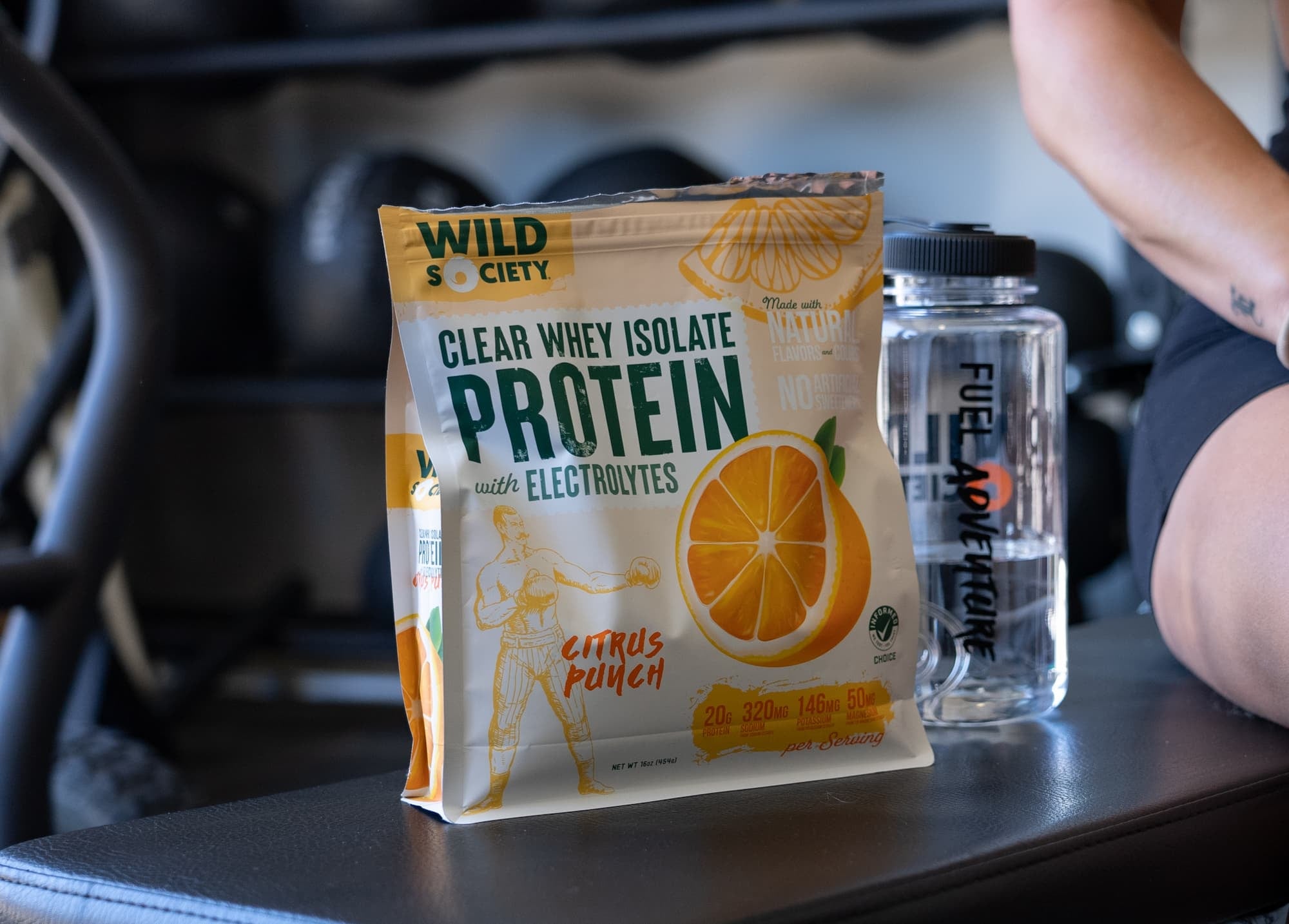
For a clear whey format with a defined serving, Clear Whey Isolate with Electrolytes provides 20g protein per serving. Strawberry Coconut lists 90 calories and 0g total and added sugars per serving.
Strawberry Coconut: 20g protein • 90 calories • 0g sugars • 320mg sodium / 147mg potassium / 52mg magnesium per scoop • Contains milk
Protein supplies amino acids used to maintain and repair muscle. The NIH Office of Dietary Supplements describes whey and casein as complete proteins and emphasizes adequate overall nutrition alongside exercise. Choosing a powder can help you organize that intake, alongside your training and overall diet.
For resistance training or bodybuilding, casein's benefits include providing essential amino acids in a convenient supplement serving. Whey offers that same practical benefit; the choice should support your eating and training routine without a promise that one source will produce greater gains.
Casein supplies essential amino acids that support muscle-building nutrition alongside training. Whey does too. That is a reason to consider either suitable milk protein, rather than treating the slower source as useful only at night or the faster source as the only option after exercise.
For a buying decision, ask whether a serving makes your normal eating pattern easier to maintain. Choose a source that fits your preferences and preparation routine, and use it as part of your overall eating and training plan.
A 2023 study in 36 healthy young men compared whey, casein, and placebo before sleep after evening endurance exercise. Whey and casein produced similar overnight muscle protein synthesis under those conditions.
Apply that result to the study's specific overnight exercise conditions. For the separate decision about evening intake, our protein shake before bed guide covers that question in context. Choose an everyday powder around the routine you can maintain.
If a creamy whey shake fits your routine, Grass-Fed Whey gives you a straightforward serving to work with: 25g protein and 130 calories in either current flavor. Pick the flavor you want to prepare consistently.
Vanilla Bean: 25g protein • 130 calories • 2g total sugars • 0g added sugars per scoop • Contains milk
Texture is an everyday reason to choose one formula over another. Consider whether you want a creamy shake or a clear fruit drink, what liquid you plan to use, and how much preparation suits you. Follow the product's directions before judging the finished consistency; changing the liquid or its amount changes the drink.

Casein is a milk protein; people following a vegan diet or avoiding milk protein need another source. Beyond that source limitation, evaluate the individual powder: its ingredient list, flavor, serving, and prepared consistency may or may not match what you want. Its slower amino acid release may suit someone who prefers that characteristic.
Vanilla, chocolate, and unflavored casein powders can have different formulas. Read the full ingredient list for the protein source, flavorings and sweeteners, including on unflavored products. The same ingredient-by-ingredient approach makes a whey comparison more useful.
Lactose is milk sugar; casein and whey are milk proteins. The FDA's food-allergen guidance identifies casein and whey among ingredients that indicate milk. People with a milk allergy need to avoid the milk proteins identified on the label, regardless of a lactose claim.
Ask a qualified clinician about a suspected reaction when researching casein intolerance or whey sensitivity. For choosing a product, the useful facts are its named protein, full ingredients, and allergen declaration. Clear Whey remains a milk-containing product even though its prepared drink is clear and fruit-flavored.
Use the product's stated serving, not equal-looking scoops. Grass-Fed Whey Vanilla Bean has a 33g scoop; Dutch Chocolate has a 34g scoop. Each provides 25g protein and 130 calories per serving. A scoop's total powder weight and its grams of protein are different figures.
To compare value without losing those distinctions:
Vanilla Bean Grass-Fed Whey lists 2g total sugars and 0g added sugars per serving. Its ingredients include stevia, sunflower lecithin, and xanthan gum. Those are concrete formula details, more informative than assuming every whey or casein powder has the same sweetness or texture.
If whey fits your dietary requirements, start with the drink you are most likely to enjoy preparing. Clear Whey single-serve packs let you try a fruit flavor before buying a full bag. The Lemon Lime packet provides 20g protein, 90 calories, and 0g total and added sugars.

Shop Single Serve Clear Isolate
Lemon Lime: 20g protein • 90 calories • 0g sugars per serving • Powder packet, mix with water • Contains milk
A single suitable powder can cover your supplement routine. Both sources contribute protein, and a blend is an option rather than a requirement. Start with what you want a supplement to add to your meals and whether one product already does that conveniently.
You can have casein and whey on the same day when both fit your dietary requirements. Count them as part of your overall protein intake rather than treating each powder as a separate daily requirement. Choose a schedule that fits your meals and preferences.
When reading milk-protein blend ingredients, identify the actual sources first. A formula may name whey concentrate, whey isolate, casein, or other milk-protein ingredients. The total protein figure tells you the serving's protein amount; look for a source-specific breakdown if those proportions matter to you.
Isolate and concentrate are both whey, so this choice sits within the whey category rather than between whey and casein. Their processing differs, but the final product also includes its flavoring and other ingredients. Compare the actual serving and format instead of treating the word “isolate” as a complete product description.
WSN makes that distinction practical: Grass-Fed Whey uses concentrate for a creamy shake, while Clear Whey uses isolate in a fruit-flavored drink. Our whey protein isolate versus concentrate guide explores the ingredient choice; you can then decide whether either format makes a second protein powder unnecessary.
Use these decisions in order:
For a creamy Vanilla Bean or Dutch Chocolate shake, Grass-Fed Whey's 25g protein serving makes the choice clear. If you want a different drinking experience while keeping whey as the source, Clear Whey Isolate provides 20g protein per serving. Our comparison of clear whey and regular whey helps you focus on that format decision.
Clear Whey Isolate Strawberry Coconut lists 320mg sodium, 147mg potassium, and 52mg magnesium per serving. Those individual electrolyte amounts belong to that formula. The Lemon Lime single-serve label lists 320mg sodium, 150mg potassium, and 50mg magnesium; use the exact flavor's panel for each comparison.
The FDA explains that nutrition information is tied to the stated serving. Water does not add protein to your powder, while milk and other ingredients contribute their own nutrition. Record the powder and additions separately if you are comparing the drink you actually make at home.
That approach also makes a first purchase more useful. Try a single serving using the preparation directions, consider whether the flavor and format fit your day, then decide on a larger supply. A packet still needs mixing; its advantage is the smaller purchase commitment, not a different protein source.
Casein's more prolonged amino acid response and whey's faster initial response explain a real scientific distinction. Your purchase still comes down to suitable ingredients, a useful serving, and a drink that fits your routine. You can make that choice without assigning a different tub to every hour of the day.
For creamy whey, choose Grass-Fed Whey. For a fruit-flavored option, explore Clear Whey Isolate, starting with a single-serve pack when you want to find your flavor first.
This article is for general informational purposes and isn't medical advice.

Best Sellers
Use this text to share information about your collection with your customers.