When it comes to protein powders, whey is the gold standard, but not all whey is created equal. If you’ve ever stared at a supplement label wondering whether isolate or concentrate is better, you’re not alone.
Both forms come from milk, both support muscle growth and recovery, and both can be part of a smart nutrition plan. The difference comes down to how they’re processed, how your body handles them, and what you need from your protein, whether that’s fast digestion, fewer calories, or a more whole-food approach.
Let’s break down the key differences so you can confidently choose the right whey protein for your training, recovery, and lifestyle.
What Is Whey Protein Concentrate?
Whey protein concentrate (WPC) is the least processed form of whey. After milk is separated during the cheese-making process, whey is filtered to remove some fat and carbohydrates, but not all of them.
As a result, whey concentrate typically contains:
Because it undergoes less filtration, concentrate retains more of whey’s natural structure, which some people prefer for everyday use and post-training recovery.
What Is Whey Protein Isolate?
Whey protein isolate (WPI) goes through additional filtration steps to remove nearly all fat and lactose. The result is a leaner, more refined protein source.
Whey isolate typically contains:
-
90%+ protein by weight
-
Very low fat
-
Little to no lactose
This makes isolate an excellent option for athletes cutting weight, people with lactose sensitivity, or anyone who wants fast-digesting protein with minimal extras.
Key Differences: Whey Isolate vs. Concentrate
Protein Content
Isolate delivers more protein per gram, making it ideal when you want maximum efficiency with fewer calories.
Digestion Speed
Isolate is absorbed more quickly due to its lower fat and lactose content, which can be beneficial post-workout or after intense cardio.
Lactose & Sensitivity
Concentrate contains more lactose, which can cause bloating or discomfort for some people. Isolate is often better tolerated.
Taste & Texture
Concentrate tends to be creamier and richer. Isolate is lighter, cleaner, and often used in clear or juice-style protein drinks.
Cost
Concentrate is generally more affordable. Isolate costs more due to extra processing.
Both are complete proteins with all essential amino acids. The right choice depends on how your body responds and what your goals demand.
Isolate vs. Concentrate: Which Supports Performance Better?
Neither option is “better” across the board — they’re tools.
Many athletes (myself included) use both, depending on training intensity, timing, and nutrition needs.
How Wild Society Uses Whey the Right Way
At Wild Society Nutrition, we don’t believe in one-size-fits-all supplements. That’s why we offer both grass-fed whey concentrate and whey isolate, ea
Grass Fed Whey Protein Powder

SHOP NOW
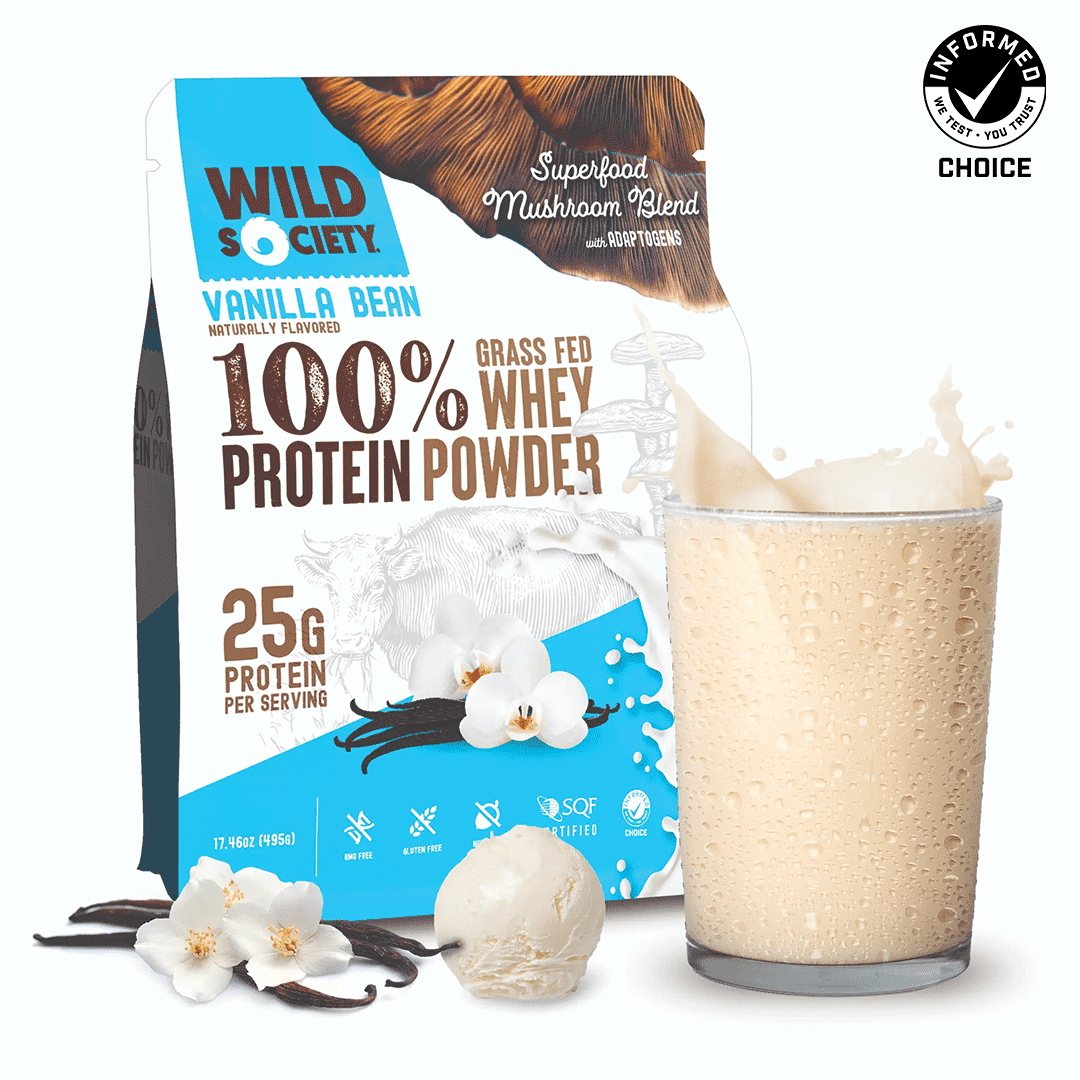
Key Ingredients: Grass Fed Whey Protein Concentrate, Organic Mushroom Blend
Protein Content: 25g per serving
Our Grass Fed Whey Protein is sourced from pasture-raised cows to preserve nutrient integrity. It’s third-party tested, free from added sugars, gums, and fillers, and designed for daily recovery, strength building, and overall performance.
If you want a clean, well-rounded protein that supports training without overthinking it, this is your go-to.
Clear Whey Isolate Protein

SHOP NOW
Key Ingredient: Whey Protein Isolate
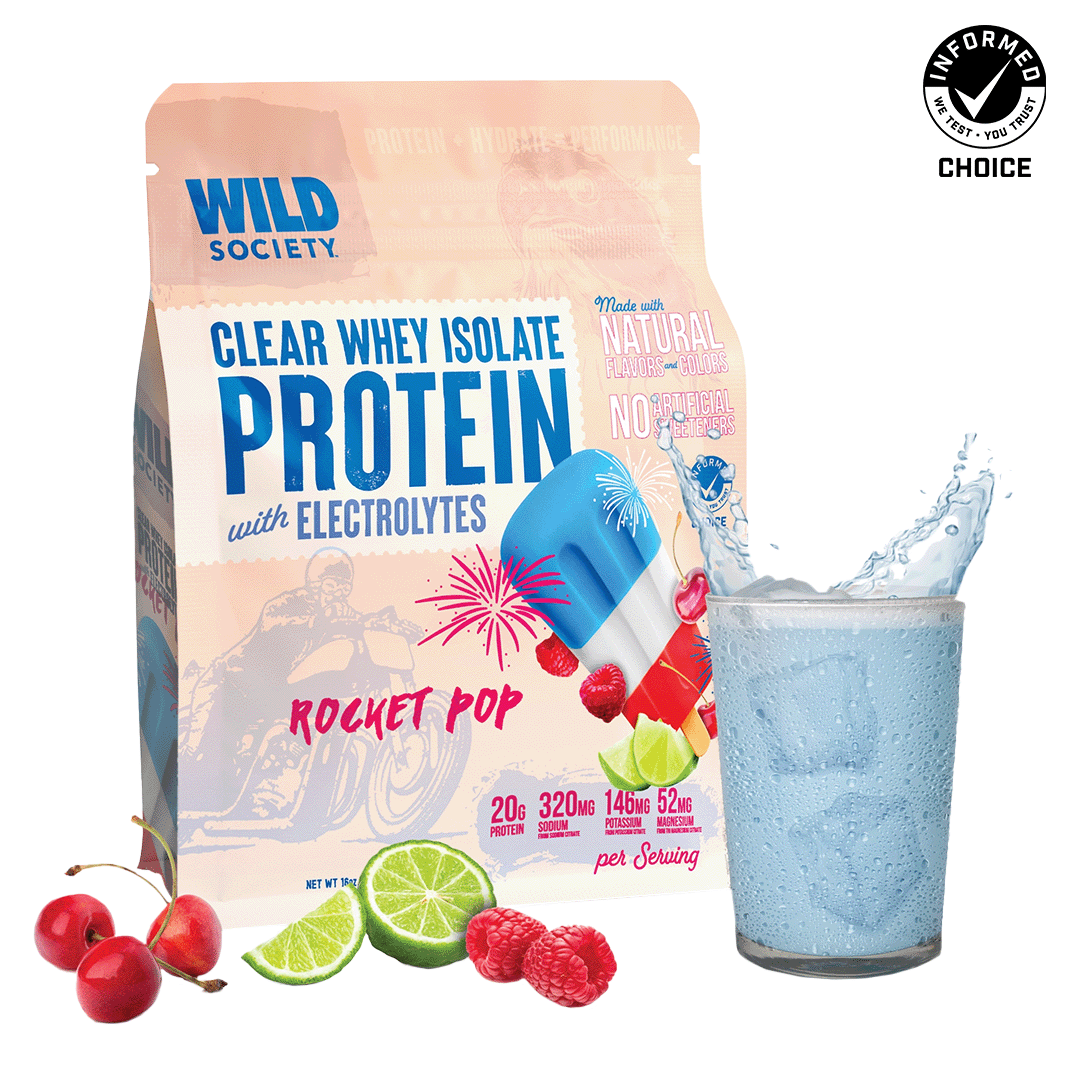
Protein Content: 20g per serving
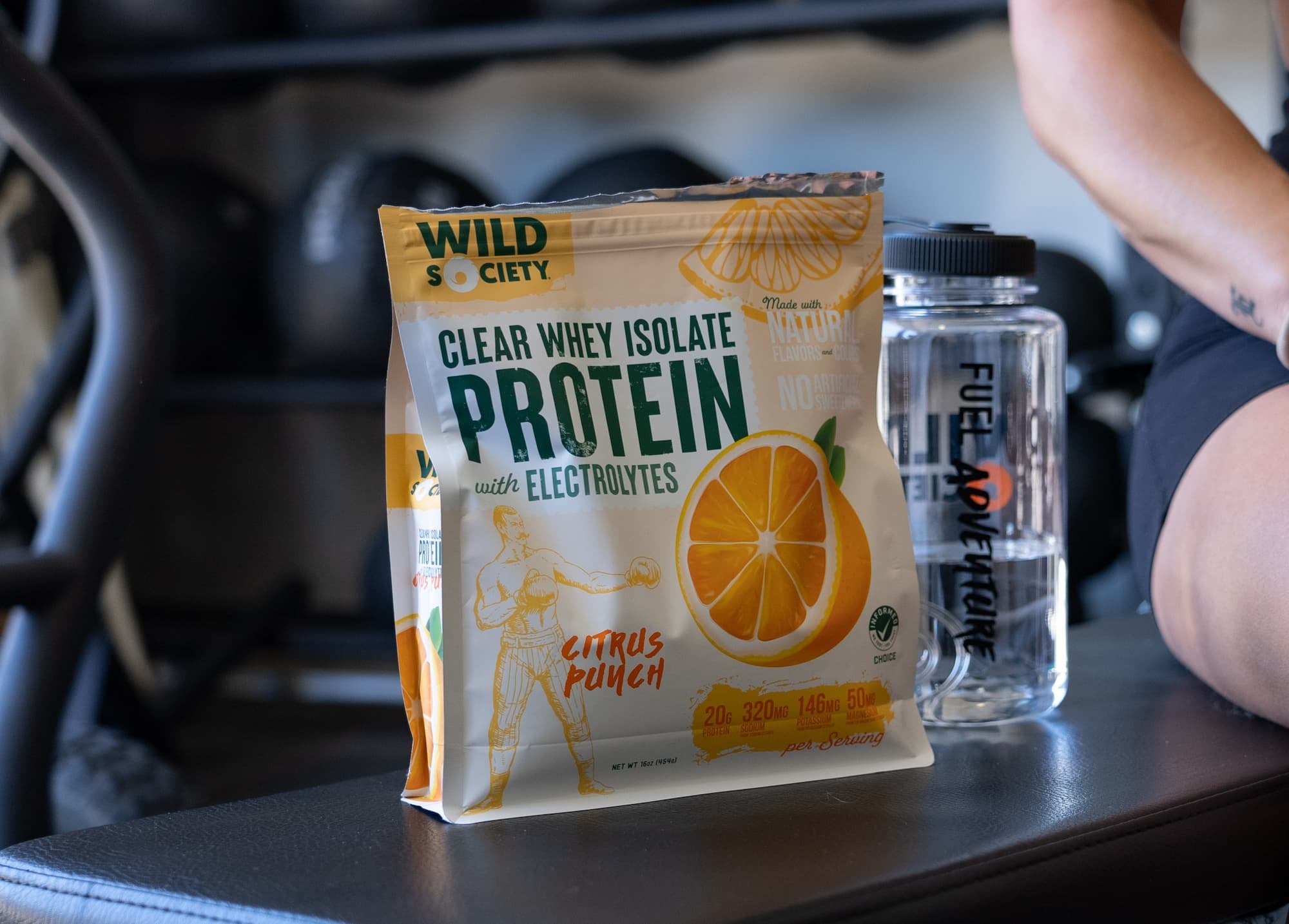
Clear Whey Isolate is built for speed and hydration. It digests fast, mixes clear, and includes electrolytes, making it perfect after cardio, conditioning, or high-intensity sessions.
With refreshing flavors like strawberry coconut, rocket pop, and watermelon lime, it’s a lighter way to get protein when traditional shakes feel too heavy.
Common Misconceptions About Whey Isolate & Concentrate
Misconception: “Isolate is always better.”
Reality: Isolate is leaner and faster, but concentrate offers broader nutritional benefits for many people.
Misconception: “Concentrate isn’t clean.”
Reality: High-quality, grass-fed whey concentrate can be incredibly clean and effective when properly sourced and tested.
Misconception: “You have to choose one.”
Reality: Many athletes stack both depending on training demands, digestion, and timing.
How to Choose the Right Whey for Your Routine
Think about when and why you’re using protein.
-
Post-workout or cardio: Clear Whey Isolate
-
Strength training & recovery: Grass Fed Whey Concentrate
-
Lactose sensitivity: Isolate
-
Daily protein intake: Concentrate or a mix of both
Pair isolate for hydration and fast recovery with concentrate for muscle repair, and you’ve got a system that works with your body, not against it.
Whey Isolate vs. Concentrate: The Real Winner
The best protein isn’t about hype, it’s about fit.
Whey isolate and concentrate both have a place in a performance-focused lifestyle. When sourced responsibly and formulated with intention, they’re powerful tools for strength, recovery, and long-term health.
At Wild Society Nutrition, we focus on clean ingredients, transparent sourcing, and products that actually support how athletes train and live.
Fuel smarter. Recover better. Train with purpose.