
Low Sugar Protein Drinks: What to Check on the Label
Compare low sugar protein drinks by ingredients, labeled serving size, and the option you will actually use. See where Wild Society Nutrition fits.

Choose protein powder for control over mixing and serving cost, or a ready-to-drink protein shake for a finished drink you can open immediately. The protein powder vs protein shake decision is mainly about preparation, portability, and the nutrition of what you actually drink.
Wild Society Nutrition Protein + Hydration RTD makes the ready-to-drink option concrete: its Fruit Punch label lists 20g protein and 100 calories per 16 fl oz bottle. WSN powders offer a different way to fit protein into your day, with clear fruit flavors or familiar chocolate and vanilla options you mix yourself.
Start with the occasion. A kitchen counter, an office refrigerator, and a gym bag create different practical needs, even when the drinks contain the same kind of protein.
Protein powder is a dry product that needs liquid. A protein shake is the finished drink, which can come from powder you mix at home or arrive premade in a bottle. For shopping purposes, the useful comparison is powder versus ready-to-drink, often shortened to RTD.
Whey describes the protein source, not the packaging. You can buy whey in either format. Likewise, a fruit-flavored drink can contain whey without looking like a chocolate milkshake. WSN Clear Whey Isolate is a powder, while WSN Protein + Hydration RTD is a bottled drink.
| WSN option | What you buy | Labeled protein amount | What you do before drinking |
|---|---|---|---|
| Protein + Hydration RTD, Fruit Punch | A case of premade bottles | 20g per 16 fl oz bottle | Open the bottle |
| Clear Whey Isolate, Strawberry Coconut | A bag of powder | 20g per serving | Measure and mix with liquid |
| Grass-Fed Whey, Vanilla Bean or Dutch Chocolate | A bag of powder | 25g per serving | Measure and mix with liquid |
| Clear Whey Single-Serve Pack, Lemon Lime | An individual powder packet | 20g per serving | Empty the packet and mix with liquid |
If you want a drink with no measuring or mixing, the Fruit Punch RTD is the straightforward WSN choice. Its sealed bottle brings the prepared serving with you.

Fruit Punch: 20g whey protein isolate • 100 calories • 0g sugar • 240mg sodium / 110mg potassium / 35mg magnesium per 16 fl oz bottle • Contains milk
The WSN Clear Whey powder and RTD use whey protein isolate, while Grass-Fed Whey uses whey protein concentrate. Those are formula differences within the whey category. Check the protein source on each exact powder or bottle.
If you already know you want whey isolate, you can compare Clear Whey powder with the RTD while keeping that source preference consistent. If you want WSN Grass-Fed Whey, you are choosing its concentrate formula and chocolate or vanilla options as well as the powder format. This is why a useful comparison starts with actual products: changing both the formula and the packaging can change more than the amount of preparation.
For chocolate or vanilla shakes, WSN Grass-Fed Whey offers Dutch Chocolate and Vanilla Bean. For a clear fruit-flavored drink, Clear Whey Isolate includes Strawberry Coconut and other fruit flavors. Strawberry Coconut clear whey is a different style from a strawberry milkshake powder; check the product's prepared-drink description to choose a creamy or clear format.

Think of three separate choices: protein source, drink style, and preparation format. That keeps a preference for whey, a clear drink, or a premade bottle from accidentally standing in for all three decisions. Our guide to protein water explains the clear-drink category, while our ready-to-drink protein shake guide focuses on choosing among prepared drinks.
For a bottled RTD, the prepared drink is already inside the package. For powder, the finished drink nutrition depends on the powder serving and everything you add. Water contributes no extra protein, sugar, or calories. Milk and other mixing liquids contribute their own nutrients.
The FDA explains that Nutrition Facts amounts correspond to the stated serving size. The serving is a reference for reading the label, not an individualized recommendation for how much you should consume.
Consider these WSN examples, keeping each flavor and serving intact:
A practical way to compare your usual milk-based shake with an RTD is to write down the powder serving, then add the nutrition for your actual measured liquid. Use that liquid's carton rather than a generic milk estimate. Dairy milk, plant-based drinks, and different formulations can produce different totals.

Protein supports muscle maintenance and repair, as described in the NIH Office of Dietary Supplements exercise and athletic performance review. A powder or bottle can provide a convenient protein source. Neither format by itself establishes whether a drink meets your broader food needs.
Compare calories and other nutrients alongside protein, especially if you are deciding whether the drink accompanies a meal or is meant to replace one. A protein-focused drink and a meal replacement are different buying decisions. Assess the full prepared drink against what you need from a meal.
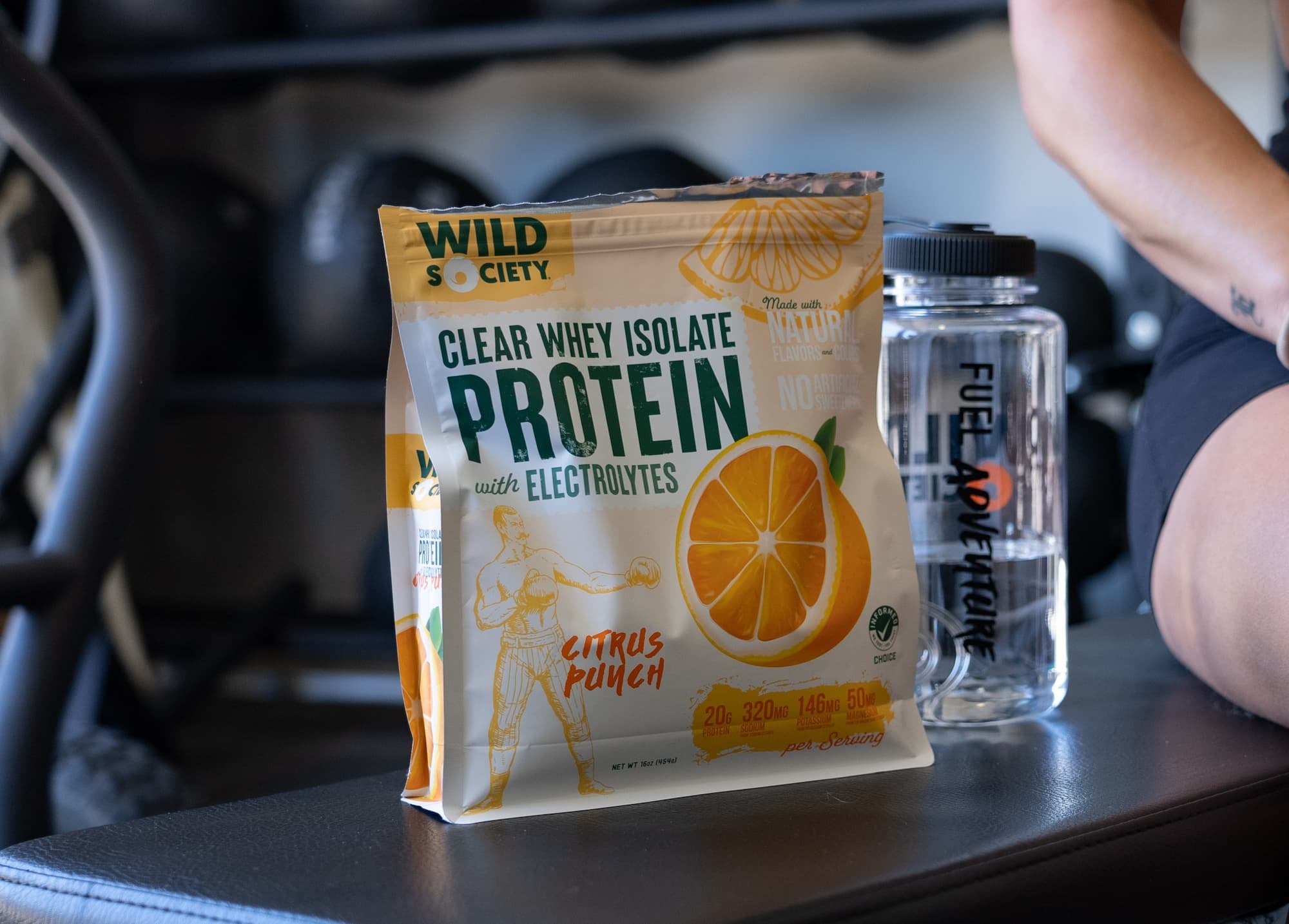
If you want a fruit-flavored powder to prepare with water, WSN Clear Whey Isolate with Electrolytes gives you a clear-drink option with a defined serving and your choice of mixing occasion.
Strawberry Coconut: 20g protein • 90 calories • 0g sugars • 320mg sodium / 147mg potassium / 52mg magnesium per scoop • Contains milk
Both powder and RTD formulas can contain flavorings and sweeteners. Read the complete ingredient list for either format. If sweetener choice is your deciding factor, our protein shakes without artificial sweeteners guide covers that question in detail.
Milk allergy is a separate consideration. The FDA identifies whey as a milk protein, and these WSN whey products contain milk. The RTD lists 0g lactose per serving and contains milk protein, just as the whey powders contain milk protein.
Calculate cost per labeled serving from the product you will purchase: package price divided by its stated servings. For these WSN products, the current examples show the tradeoff between mixing a drink and buying it prepared.
These are the listed purchase prices checked October 7, 2026. The calculations exclude shipping, tax, mixing liquid, promotions, and subscription adjustments. Prices can change; the linked product pages show current purchase options.
| WSN product | Listed package price | Package quantity | Cost per labeled serving |
|---|---|---|---|
| Protein + Hydration RTD | $54.99 | 12 bottles | $54.99 ÷ 12 = about $4.58 per bottle |
| Clear Whey Isolate | $39.99 | 16 servings | $39.99 ÷ 16 = about $2.50 |
| Grass-Fed Whey | $34.99 | 15 servings | $34.99 ÷ 15 = about $2.33 |
| Clear Whey Single-Serve Pack | $4.99 | One serving | $4.99 |
These are serving costs, not claims that the servings are nutritionally identical. Grass-Fed Whey lists 25g protein per serving, while the Clear Whey powder, RTD, and single-serve examples list 20g in their respective labeled servings.

For a routine you already know you like, a multi-serving powder bag spreads the purchase across more drinks. The Grass-Fed Whey example has the lowest listed serving cost among these four WSN options. That can make it a practical everyday choice when you have a place to mix and rinse your cup.
A single packet answers a different question: how much do you need to spend to try the powder? At $4.99, it has a smaller initial purchase than either bag or the RTD case, even though its serving cost is higher than the bags. Low commitment and low cost per serving are different benefits.
For a familiar chocolate or vanilla shake you will prepare regularly, WSN Grass-Fed Whey combines 25g protein per serving with 15 servings per bag.

Vanilla Bean: 25g protein • 130 calories • 2g total sugars • 0g added sugars per scoop • Contains milk
The RTD purchase includes the liquid, bottle, and preparation already completed. That can be useful when mixing would require finding water, carrying a cup, and cleaning it later. The premium buys a prepared drink and a practical shortcut.
For powder, add the cost of your preferred mixing liquid if it is part of every drink. Also consider whether the package suits your actual use: a lower serving price is most useful when the flavor and preparation routine fit well enough for you to use the bag.
Powder preparation and storage require planning at two stages: keeping the dry product ready to use, then handling the drink after mixing. An RTD removes the mixing stage, but its unopened and opened storage instructions still matter.
Use the directions on the specific flavor and package. A sensible setup is a clean mixing container, the directed liquid amount, and the labeled powder serving.
For the WSN powder examples here, the labels identify one scoop as a serving. Use the specified scoop measure, and choose the number of servings in the context of your overall diet. An individual Clear Whey packet removes the need to carry and measure from a full bag.
Choose a liquid that suits both the product directions and the drink you want. Water keeps the comparison focused on the powder's listed nutrients. Milk or another drink adds its own flavor and nutrition. A clear fruit-flavored whey and a vanilla or chocolate whey can call for different preferences, even though both start as powder.
Choose a mixing container that works with the product directions. A blender or a suitable container for stirring may work when consistent with the product directions. The practical question is whether your method mixes the powder successfully and is easy to clean. A sealed RTD is simpler when you have no mixing equipment available.
Hot coffee introduces a different mixing task from a cold shake. Choose the powder for the drink you intend to make and use a method suited to hot liquid. Our protein powder for coffee guide covers that preparation in detail.
Follow the bag's storage directions and keep the closure secure between uses. Carrying a dry portion separately from the liquid lets you mix when you are ready, which can be easier than transporting a drink prepared hours earlier.
Once powder is mixed, the drink needs handling appropriate to its ingredients and preparation. Follow handling directions appropriate to the mixture you prepare. For bottled drinks, use the product's instructions for both the sealed bottle and after opening; follow the instructions on that exact bottle.
Match the format to what you will have available at the moment you want the drink. The most useful choice can change from one day to the next.
To try the powder approach before buying a bag, choose a WSN Clear Whey Single-Serve Pack. The Lemon Lime option provides 20g protein per serving in a packet you mix yourself.

Shop Single Serve Clear Isolate
Lemon Lime: 20g protein • 90 calories • 0g sugars per serving • Powder packet, mix with water • Contains milk

The small details often decide the purchase. If carrying a used shaker home is the part you dislike, an RTD solves that specific inconvenience. If carrying bottles is cumbersome but you have water at your destination, a powder packet may fit better.
Combining supplements is a separate decision from buying powder or an RTD. Check the ingredients to identify whether a whey powder or premade protein drink includes creatine. Our guide to mixing creatine with protein powder explains that choice.
You can use powder for the occasions where preparation is easy and keep RTDs for the occasions where it is inconvenient. That gives each purchase a clear job. For example, a bag can support your usual at-home shake, while bottles cover workdays when you leave directly for another activity.
Before choosing a package, use this checklist:
Start with the format that solves your most frequent problem. You can add a second format for occasional needs without changing the protein source or committing to a complicated routine.
Choose the number of drinks in the context of your overall diet. Consider the protein already supplied by your meals and the purpose of the prepared serving. Our guide to how many protein shakes a day addresses that broader intake question.
A daily drink is a question about your overall eating pattern, rather than whether it came from a bag or bottle. Use the daily protein shake guide to consider frequency; choose the format here according to the preparation you can reliably manage.
Consider evening timing separately from powder-versus-RTD format. If you are considering a prepared serving in the evening, our protein shake before bed guide covers the timing question separately from the packaging decision.
The main practical tradeoff is preparation: you need liquid, a suitable container, and cleanup. You also choose the serving and any additions yourself. That flexibility is useful at home, while a ready-to-drink bottle can be more convenient when you are moving between activities. Ingredients and milk allergens depend on the formula, not simply on whether the product is dry or bottled.
Neither powder nor a bottle wins simply because of its format. Protein supplies amino acids used for muscle maintenance and repair; the protein source, amount in the prepared serving, and overall diet matter. Choose the format that fits your routine while comparing the actual product's labeled protein contribution.
You can plan for an ahead-of-time shake when the product directions and your storage arrangements support it. Handle the prepared serving according to its ingredients and any refrigeration instructions. If that arrangement is uncertain, carrying dry powder separately and mixing when ready is a practical alternative. Use the storage instructions that apply to your homemade mixture.
A protein shake works as a meal replacement only when its full nutrition meets what you need from that meal. Evaluate the full drink and its intended use, including anything added to powder. The WSN products compared here give you clearly labeled protein options; evaluate the full prepared serving for meal replacement suitability.
For an easy starting point, try a Clear Whey Single-Serve Pack and see how the mixing format fits your day. When opening a bottle is the better solution, choose WSN Protein + Hydration RTD for a prepared 20g protein serving you can bring along.
This article is for general informational purposes and isn't medical advice.

Best Sellers
Use this text to share information about your collection with your customers.