


Protein Shake Before Bed: Good Idea or Not?
Should you have a protein shake before bed? Weigh your daily protein gap, sleep comfort, and whey-versus-casein evidence before choosing an evening drink.

One shake is enough to fill a 20g protein gap when it provides 20g per serving. Some days need two. Before adding a third, check your meals. Here's how to find your number in two minutes.
If meals already cover your protein target, your number is zero. Subtract food protein from your daily target, then divide the remaining gap by the labeled protein in the shake you actually use. Training alone does not create a requirement for a daily shake.
The NIH Office of Dietary Supplements notes that protein needs can often be met through food and that supplements can help when needed. That supports using a shake to solve a genuine gap, not treating the presence of a shaker bottle as a sign of a better diet.
This protein gap worksheet is a planning example. Its 120g daily target is hypothetical, not a recommendation for every reader. Substitute an appropriate target of your own and the actual quantities from your meals.
| Example day's protein | Amount |
|---|---|
| Breakfast | 25g |
| Lunch | 30g |
| Dinner | 30g |
| Planned snack | 15g |
| Food total | 100g |
| Hypothetical daily goal | 120g |
| Remaining gap | 20g |
In this example, one 20g serving brings 100g from food to the hypothetical 120g goal. If food supplies 120g, the gap is zero. A 40g gap can be filled with two 20g servings, food, or a combination. Choose the arrangement that keeps meals varied and practical.
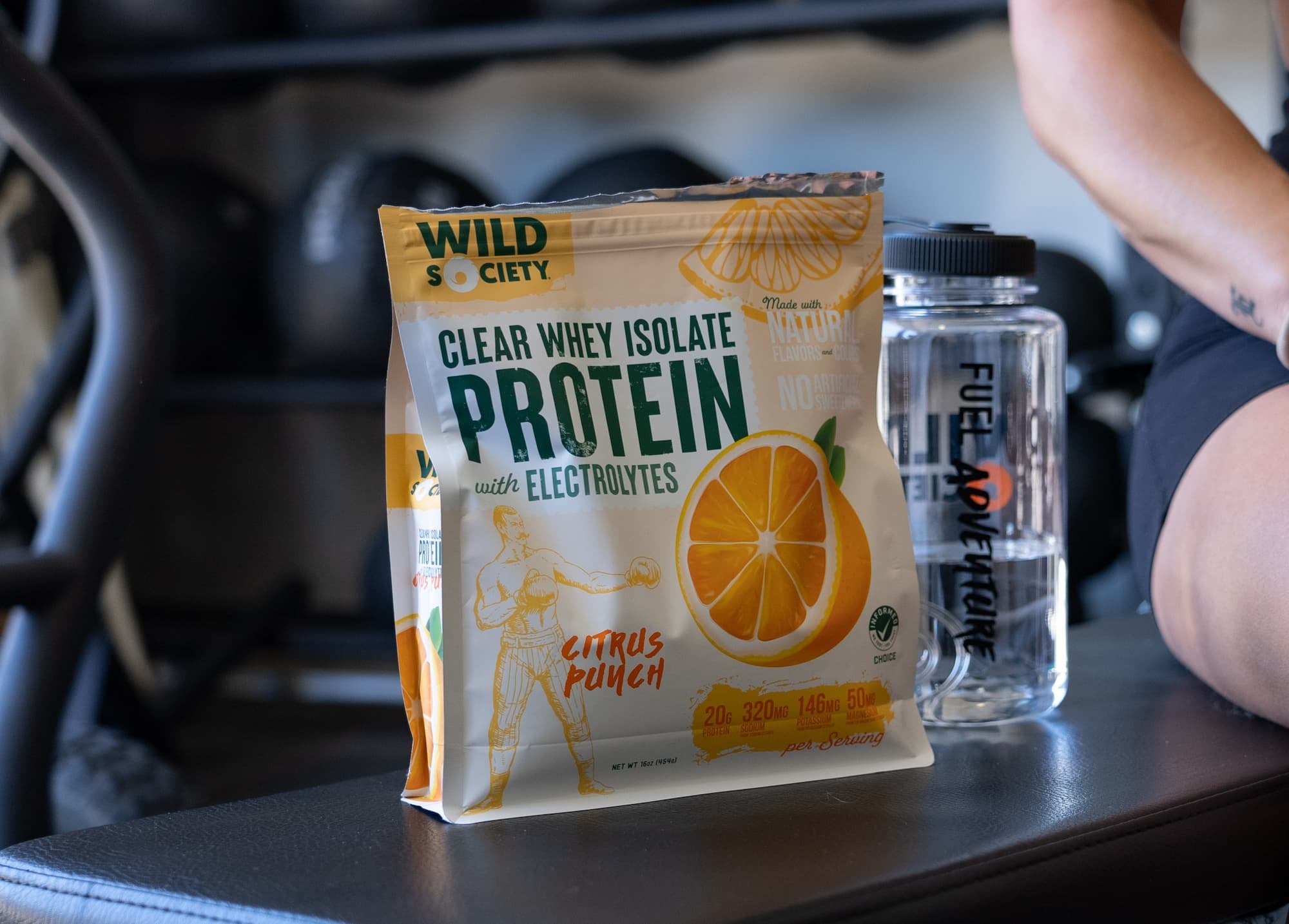
One serving of Wild Society Clear Whey Isolate provides 20g protein. It gives you a defined amount to use in the worksheet when you want a light, fruit-flavored drink you can mix yourself.

You do not need to audit every bite forever to discover where your routine is thin. Begin with a normal day and the food you usually choose. Breakfast may already do its job, while lunch becomes unpredictable during meetings. Or dinner may be reliable, while an afternoon snack is whatever happens to be nearby.
Look for a repeating practical problem:
“One shake” is not a standard nutrition unit. One product may provide 20g protein per serving, another 25g, and a homemade smoothie may contain several sources. Two scoops may or may not equal the serving printed on the package. Read the instructions instead of guessing from the size of a scoop or glass.
For a ready-to-drink product, check whether the whole bottle is one serving. For powder, count the labeled serving and the ingredients you add. If you mix it with another protein-containing food or drink, include that contribution as well. This makes the daily total meaningful rather than a rough count of containers.
How many protein shakes you can have in a day is not the same as how many you need. There is no single bottle limit that applies to every product, diet, or person. A useful answer considers total protein, the complete ingredients, total calories, dietary variety, and whether the routine feels comfortable.

20g whey isolate • 100 calories • 0g total and added sugars • One 16 fl oz bottle
With a hypothetical 40g gap after meals, two 20g servings add 40g. One might fit a rushed breakfast and another a no-preparation window later in the day. Keep meals supplying fiber, produce, carbohydrates, fats, and variety; use two servings when the calculation and schedule call for them.
For example:
For an occasion with no mixing time, Protein + Hydration RTD supplies 20g whey protein isolate and 100 calories in one 16 fl oz bottle. The mineral amounts are 240mg sodium, 110mg potassium, and 35mg magnesium, so you can account for the actual contents rather than an unspecified “electrolyte blend.”
Before making several daily shakes a routine, ask:
Research supports protein as part of resistance-training adaptation, but it does not support treating each additional shake as an automatic increment of muscle. A systematic review and meta-analysis of protein supplementation with resistance training examines total intake and training outcomes, rather than a universal number of bottles.
There is also a difference between digesting protein and maximizing a particular training response. A serving does not become “wasted” merely because it exceeds an internet rule about grams per meal. For the fuller explanation, see how much protein the body can absorb at once.
If a particular shake leaves you uncomfortable, inspect the full product and preparation. The protein source, serving size, added ingredients, and how quickly or how late you drink it can all be part of the experience. Do not assume one symptom proves that you have eaten “too much protein.”
For persistent symptoms or a prescribed diet, ask a qualified clinician or dietitian for individualized advice. Bring the product label and your usual serving information so the discussion starts with the actual preparation.
There is no specific number of protein shakes a day that causes weight loss. A shake can help you follow a calorie plan and include protein, but the complete diet determines whether you are adding, maintaining, or reducing overall energy intake. Replacing a planned snack and adding an extra drink are not the same action.
| Question | Why it matters |
|---|---|
| What does the shake replace? | Replacements and additions change the day differently |
| What is in the full preparation? | Milk, fruit, oats, and nut butter change the drink |
| Does it fill the intended protein gap? | Extra protein is not automatically necessary |
| Does it crowd out proper meals? | Protein is only one part of a varied diet |
| Can I repeat this on a normal weekday? | A workable routine matters more than a complicated one |
Our protein powder for weight loss guide covers the wider selection question. The daily-count question remains simpler: use enough to support the plan you have, not a fixed number chosen because the goal is weight loss.
If you enjoy a creamy shake or smoothie, Grass-Fed Whey provides 25g protein per serving. That is a different serving amount from our 20g clear isolate and RTD options, so enter the actual figure rather than treating all three as identical scoops.
A busy day does not need to be repaired by chasing an exact shake count at bedtime. Look at the pattern over time and make the next day's routine easier. If a meeting often blocks lunch, keeping a planned option available may help. If you consistently arrive at dinner with most of the day's food still missing, the meal structure needs attention.
Use your remaining protein gap and the setting to choose a format. The three options below have distinct serving figures and preparation needs.
| WSN product | Protein in the stated unit | When it is convenient |
|---|---|---|
| Clear Whey Isolate | 20g per serving | A light drink mixed at home or wherever you have a shaker |
| Grass-Fed Whey | 25g per serving | A creamy shake or smoothie preference |
| Protein + Hydration RTD | 20g per bottle | A ready-made serving with no preparation |
The RTD's whole bottle supplies 100 calories, 0g total sugars, and 0g added sugars. It contains 240mg sodium, 110mg potassium, and 35mg magnesium. The powder and RTD formulas are different, so do not apply the bottle's numbers to the powder.
On rest days, use the same calculation. Recovery and normal nutrition continue between workouts; meals may leave a different gap. Adjust the serving to the day rather than automatically adding or removing a bottle.
For that question in more detail, read Should You Drink Protein Shakes on Rest Days?. For distributing protein through the day rather than saving it all for one meal, our protein pacing guide covers the broader strategy.
Two protein shakes a day can fit some routines, but the useful safety question includes total intake, ingredients, dietary restrictions, and the rest of your meals. Two bottles are not automatically necessary or inappropriate. Give each serving a clear job and keep a varied diet. If you have a prescribed diet or ongoing symptoms, ask for individualized advice before changing your intake.
Three protein shakes a day is a reason to look closely at the overall meal plan. It may mean convenience is solving several real gaps, or it may mean drinks have displaced most of your food. Check the total amount, full ingredients, and dietary variety. A better-planned meal may remove the need for another shake without making the routine less convenient.
Drinking three protein shakes a day does not guarantee weight loss. The result depends on the overall eating pattern and whether the drinks replace calories or add to them. Three substantial blended shakes can contribute very differently from three simple preparations. Count the whole drink, preserve proper meals, and avoid using a bottle count as a weight-loss formula.
50g of protein in one shake is not a universal absorption limit or a universal serving recommendation. Whether that amount is useful depends on your needs and the rest of the day. Do not double a serving simply because a larger number sounds better. Check the complete preparation, consider comfort, and distribute food in a way that fits your routine.
You can sip protein shakes at a comfortable pace; chugging is not necessary to make the protein count. If a large drink feels unpleasant all at once, drinking it more slowly may suit you better. Follow the product’s preparation and storage instructions, and keep the serving, complete ingredients, and place in your meals in view.
A downside to drinking protein shakes is that an automatic extra can add unplanned calories or displace food variety. Digestive discomfort with a particular product is another reason to examine the serving and ingredients. Use a defined serving for a defined need, read allergen information, and get advice if discomfort persists or your diet has specific restrictions.
Protein shakes do not selectively burn belly fat. They can help make a nutrition plan easier to follow, but they do not target one area of the body. Avoid judging a powder or bottle by a dramatic fat-burning promise. A useful product supplies clear nutrition information and fits the overall routine you can sustain alongside appropriate activity and meals.
Protein shakes are better placed where they solve a real gap in your day. Morning may be convenient with a rushed breakfast, while evening may work after a busy schedule. Neither time automatically wins for everyone. Consider what your meals already provide and how the drink feels at that time, then choose a routine you can repeat comfortably.
Use the format you enjoy for ordinary days and a simple backup for unpredictable ones. Protein + Hydration RTD gives you a clearly labeled 20g whey-isolate serving when the plan needs convenience most.

20g whey isolate • 100 calories • 0g total and added sugars • One 16 fl oz bottle
This article is for general informational purposes and isn't medical advice.

Best Sellers
Use this text to share information about your collection with your customers.