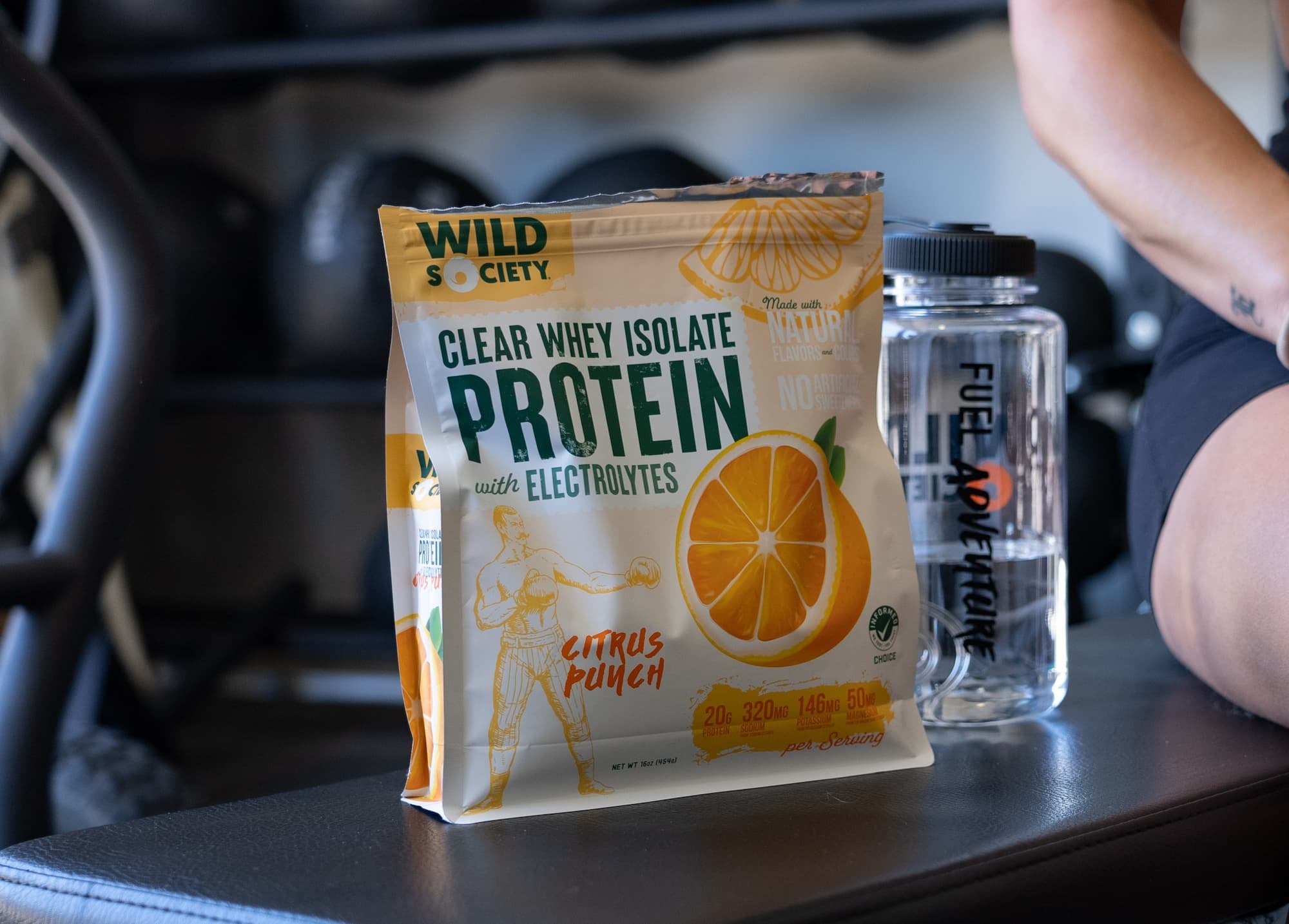
What Is Protein Pacing? (And Does It Actually Work?)
Short answer: Protein pacing is a nutrition strategy where you spread your protein intake evenly across the day, typically every 3 to 4 hours, to support muscle growth, recovery, and energy.
But like most things in fitness, the why matters more than the buzzword.
Let’s break it down.
What Is Protein Pacing?
Protein pacing means eating moderate amounts of protein at regular intervals instead of cramming it all into one or two meals.
A typical structure looks like this:
- Breakfast: 20–40g protein
- Midday meal: 20–40g protein
- Snack or shake: 20–30g protein
- Dinner: 20–40g protein
Instead of one big protein-heavy dinner, you’re giving your body a steadier supply of amino acids throughout the day.
Why Protein Pacing Works
Your body does not store protein the same way it stores carbs or fat.
Protein is constantly being:
To build or maintain muscle, you want muscle protein synthesis to stay well-supported across the day. Protein pacing can help by giving your body repeated opportunities to use incoming amino acids.

1. It Repeatedly Triggers Muscle Protein Synthesis
Each time you consume enough protein, especially leucine-rich sources like whey, you give your body another signal to support muscle repair and rebuilding.
Spacing protein out can mean more frequent opportunities for recovery support instead of relying on one oversized meal.
2. It Can Improve Practical Protein Use Across the Day
Instead of trying to “catch up” at dinner, pacing helps you build a more consistent routine. For a lot of people, that translates into:
- better recovery habits
- more stable energy
- fewer missed protein targets
3. It Supports Energy and Appetite Control
Balanced protein intake can help you feel more satisfied between meals and less likely to swing from under-fueled to overly hungry later in the day.
That matters if you are trying to avoid the all-too-common “running on fumes” feeling. For more on that, check out Wired But Tired: Why You Feel On, But Not at Your Best.
How Much Protein Per Meal?
A solid rule of thumb is:
20 to 40 grams of protein per feeding
Your exact needs depend on your body size, activity level, and goals.
If you want a deeper breakdown, read How Much Protein Can the Body Absorb at Once?.
Who Should Use Protein Pacing?
Protein pacing can work especially well for:
- people trying to build muscle
- people focused on fat loss
- busy professionals who skip meals
- athletes training multiple times per week
- anyone who tends to under-eat protein earlier in the day
If your protein intake is heavily backloaded into dinner, this is probably an easy win.
What Protein Pacing Looks Like in Real Life
Here’s a simple version that does not require a full meal-prep personality shift.
Morning
Start the day with real protein instead of waiting until lunch. For some people, that means eggs. For others, it means adding protein to coffee.
If you have not tried that before, read Is Whey Protein Powder for Coffee a Good Idea?.
Midday
A solid lunch with protein, carbs, and healthy fats goes a long way. This is the meal that often determines whether your afternoon feels steady or sloppy.
Afternoon
This is where most people fall off. A protein shake, smoothie, or lighter protein option can help close the gap before dinner.
Post-Workout or Evening
After training, pairing protein with hydration can make a lot of sense. If that is your lane, check out Why Protein and Electrolyte Powder Might Be the Post-Workout Combo You Need.
Where Most People Get It Wrong
For a lot of people, protein intake looks something like this:
- Breakfast: barely any protein
- Lunch: some protein, but not enough
- Dinner: a huge amount to make up for the rest of the day
That is not protein pacing. That is protein backloading.
And while total daily intake still matters most, this pattern can leave you feeling under-fueled for most of the day.
The Easiest Way to Start Protein Pacing
You do not need to overhaul your entire diet. Start with one move:
Add protein earlier in the day.
The easiest upgrades are usually the ones you will actually repeat:
- add protein to your coffee
- use a shake or smoothie between meals
- swap lower-protein snacks for higher-protein options
- build lunch around a real protein source instead of treating it like an afterthought
How Wild Society Can Help
If you are trying to make protein pacing practical, convenience matters.
A clean, easy-mixing protein can make it a lot simpler to hit your target without feeling like every feeding has to be a full meal.
Good fit for protein pacing:
 SHOP NOW
Wild Society Longevity for an easy protein add-in for coffee, smoothies, or quick shakes

Protein + Hydration when you want protein plus electrolyte support after a workout or during a busy day
The goal here is not to make things complicated. It is to make consistency easier.
Does Protein Pacing Actually Work?
Yes, it can. For people already aiming to get enough total daily protein, pacing can be a smart way to support recovery, muscle maintenance, and more consistent energy throughout the day.
That said, it is not magic.
Total daily protein still matters most. Protein pacing is better thought of as an optimization strategy, not a shortcut.
The Bottom Line
Protein pacing is simple:
- eat enough protein
- spread it across the day
- make it easy enough to stick to
Do that consistently, and you give yourself a better shot at better recovery, steadier energy, and more from your training.
Related Reading
Resources
FAQs
What is protein pacing?
Protein pacing is a strategy where you spread your protein intake more evenly across the day instead of eating most of it in one large meal.
Does protein pacing actually work?
It can. Protein pacing may help support muscle recovery, muscle maintenance, and steadier energy when total daily protein intake is already in a good place.
How much protein should I eat per meal?
A practical target for many adults is around 20 to 40 grams per meal or feeding, depending on size, activity, and goals.
Is protein pacing good for fat loss?
It can be helpful because it may improve satisfaction between meals, support lean muscle, and make a high-protein routine easier to maintain.
Who benefits most from protein pacing?
People trying to build muscle, lose fat, recover better, or avoid under-eating protein during the day may benefit most.
Images by LOGAN WEAVER | @LGNWVR and Timothy Yiadom on Unsplash