

 SHOP NOW
5 Types of Gym-Goers
You’ll see the same cast of characters in any gym: Some are locked in and chasing progress. Others are just trying to survive their workout. A few are there mostly for the mirror. None of...

Your energy isn’t random right now.
If your workouts have felt a little different lately, you’re not imagining it: Some days you’ve got more gas in the tank. Other days feel weirdly off, even when nothing’s changed.
That’s not motivation. That’s your body responding to a shift in your environment. This happens a lot in the spring or in any particularly busy season. For instance, in spring you get:
And if you don’t adjust how you train and recover, you end up spinning your wheels right when you should be making progress.
Let’s break down what’s actually going on, and how to use it to your advantage.
Longer days and more light exposure can increase alertness, improve mood, and make it easier to get moving.
That’s the upside. The downside? It’s not consistent yet.
You might feel:
What to do:
Don’t chase “perfect” workouts right now. Instead, lock in minimum effective consistency.
That means:
Use the energy when it’s there. Don’t overthink it when it’s not.
You’re walking more. You’re outside more. Your schedule is picking up. And all of that adds up. It impacts your training more than you think.
What this looks like:
It’s not that you’re getting weaker. You’re just carrying more total load.
What to do:
Start thinking in terms of total daily output, not just your workout.
On high-activity days:
Consistency beats crushing yourself.
This is where most people get it wrong. They feel better so they do more, but they don’t upgrade recovery to match.
That’s when progress stalls. Or worse: injuries creep in.
What to watch for:
What to do:
Support your recovery like it actually matters (because it does).
That means:
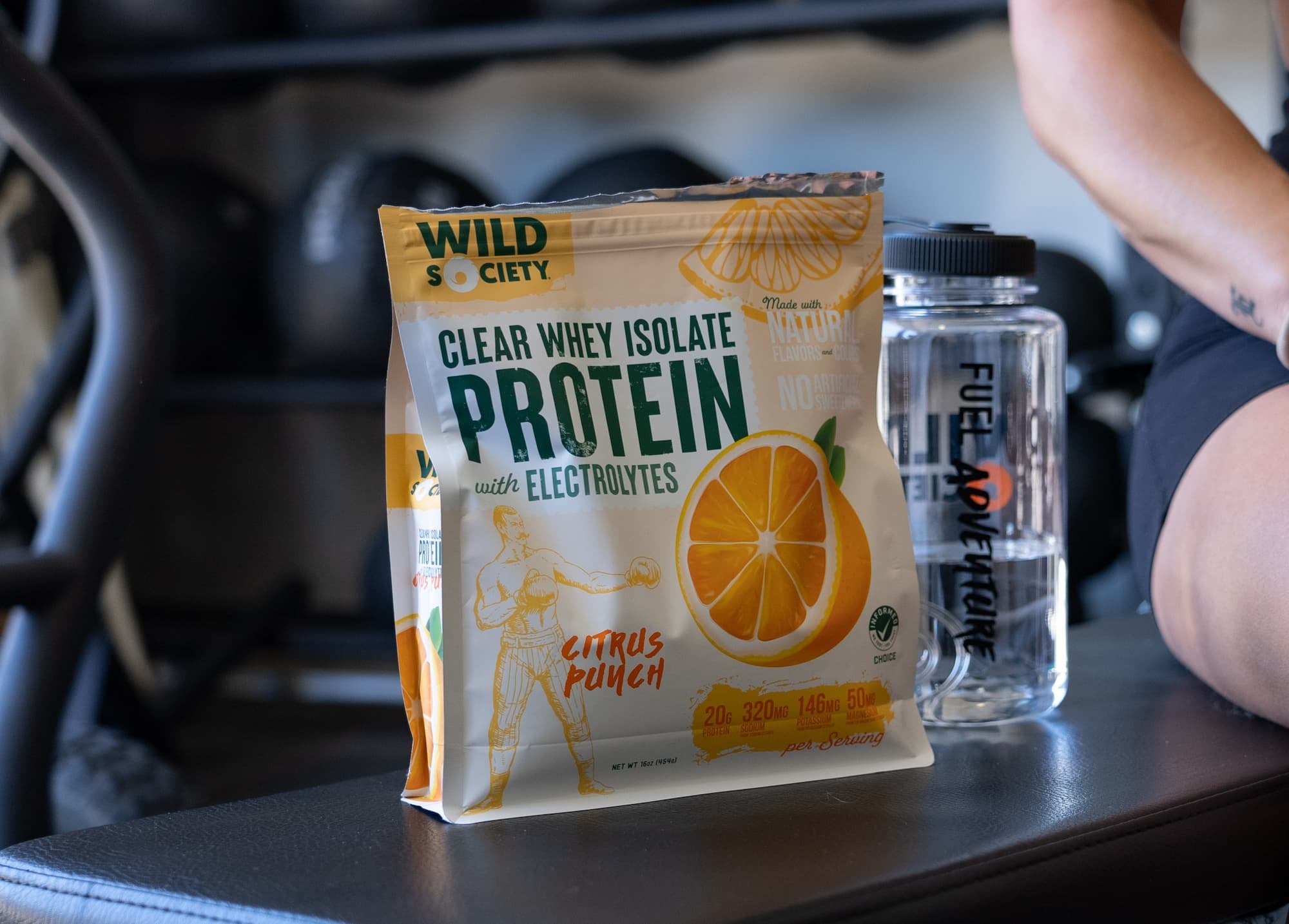
This is where something simple like a fast-digesting protein can help. If you’re not hungry after a workout or you’re on the go, having something easy like a clear whey isolate can take the guesswork out of recovery and keep you consistent.
Spring is often when structure quietly starts to break down.
None of that is bad but it can throw off your rhythm.
What to do:
Instead of forcing your old routine to work, adjust it.
Try:
The goal isn’t perfection. It’s staying in motion.
This time of year is one of the best opportunities to build real momentum.
You have:
If you stay consistent now, it compounds fast. If you burn out or overdo it, you stall out just as quickly.
Keep it simple. Stay consistent. Support your recovery. That’s how you turn a seasonal shift into real progress.
If your energy feels different right now, that’s a good thing. But it’s not something you just ride. You have to use it with intention:
Train when it’s there.
Adjust when it’s not.
Recover like it matters.
Do that, and this becomes the easiest progress you’ll make all year.
Image by Scott Webb from Pixabay

Best Sellers
Use this text to share information about your collection with your customers.