
Bulk vs Cut
“Bulk vs cut” refers to two specific diet and fitness plans. Bulk is all about making muscle gains while cut aims to maintain muscle and lose fat. For many bodybuilders and gym-goers, the question isn’t...

Yes, you can put protein powder in coffee. For hot coffee, mix the powder smoothly with cool liquid first, then gradually stir in coffee that has cooled from boiling; for iced coffee, blend the powder with cold liquid before adding ice. This order reduces dry pockets and gives you more control over the texture.
Whey protein in coffee works best when you treat it as a drink you are preparing, rather than dropping a scoop into a full mug and hoping it dissolves. Choose a compatible flavor, leave enough room to stir, and count any milk or sweetener as part of the finished drink. Here are practical methods for both hot and iced versions.
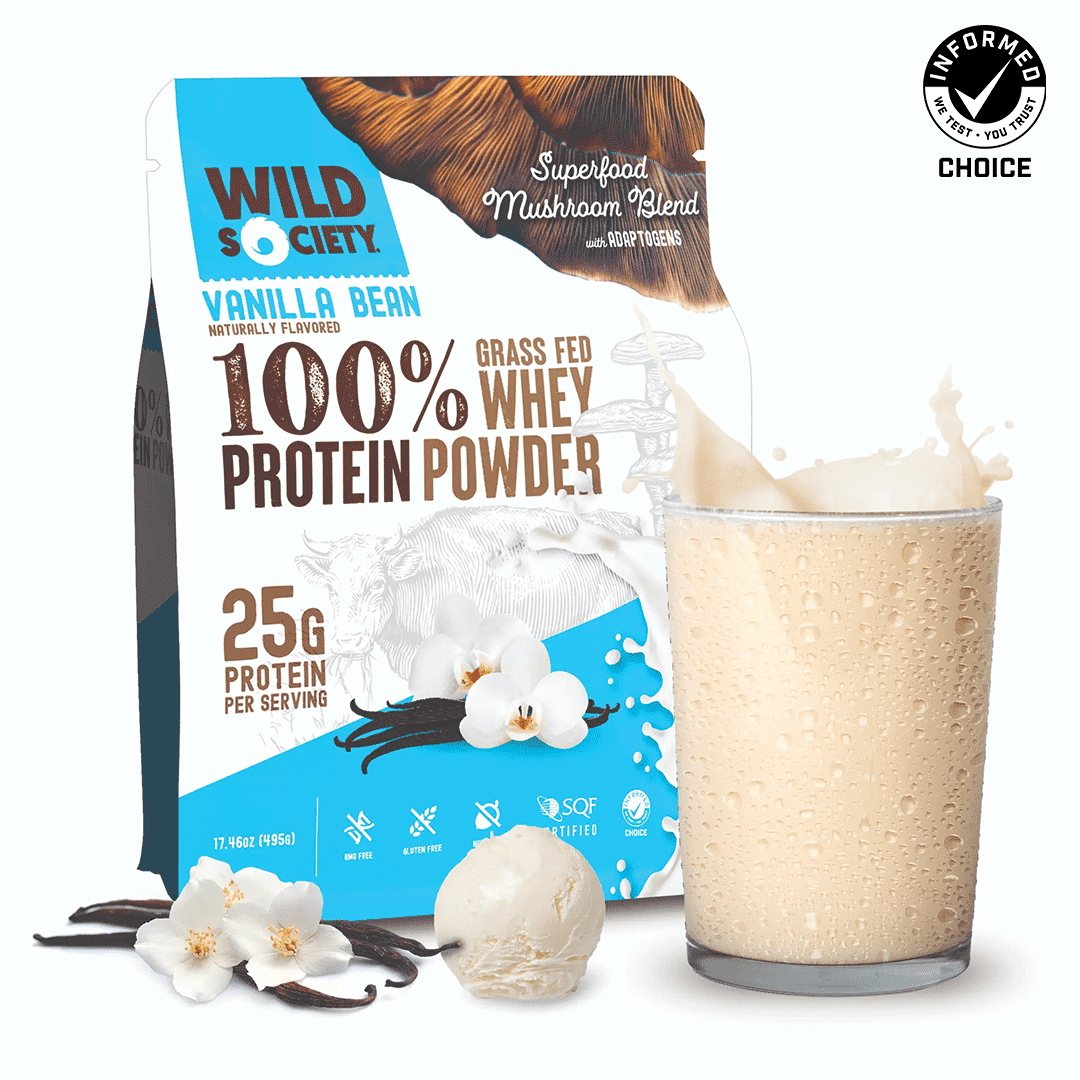
The following are adjustable preparation starting points, not results from a WSN kitchen test. They use Vanilla Bean Grass-Fed Whey because its label provides a clear nutrition basis. Begin with these amounts, then change one variable at a time so you can reproduce a drink you enjoy.
Whisk the powder into the cool water in the separate cup until the dry pockets disappear. Add more cool water if the mixture is too thick to pour. Stir a small splash of coffee into that mixture, then gradually add the rest. Use an open mug and keep the total liquid comfortably below its rim. The final drink will be cooler than freshly brewed coffee because of the cool mixing liquid.
The powder contributes 25g protein, 2g carbohydrate, and 130 calories; the water contributes none. Those are the powder-and-water totals, so include the coffee and any additions when logging the whole drink. Do not heat a sealed shaker to make the finished coffee hotter. If you want less dilution, use a stronger coffee next time rather than trying to dissolve dry powder in hotter liquid.
Never shake hot coffee in a sealed shaker bottle. Use an open mug and follow the temperature limits for any frother or blender. Heat can cause pressure and splashing in unsuitable sealed containers.
Mix the powder with the cold almondmilk first. Stir in the chilled coffee, then pour over ice. For the exact almondmilk named here, its published nutrition label adds 30 calories, 1g protein, and 1g carbohydrate per cup. The powder-and-almondmilk subtotal is therefore 160 calories, 26g protein, and 3g carbohydrate, before the coffee or other additions. This preparation contains milk and almond.
Using water instead keeps the powder's nutrition contribution unchanged but produces a different texture. Dutch Chocolate offers a mocha-style direction; recalculate with its own label rather than carrying over the Vanilla Bean numbers. Both flavor choices start with the creamy format of Grass-Fed Whey.
Add ice last so it does not obstruct mixing or trap dry powder. Allow room for stirring and for the ice; adjust the amount next time if melting ice dilutes the drink too much.

Vanilla Bean: 25g protein • 2g total carbohydrate • 130 calories per 33g scoop
If the drink tastes weak, change the coffee concentration before increasing the powder. More powder makes the drink more protein-dense and may thicken it; it does not make the coffee stronger. Cold-brew concentrate also varies by product, so follow its dilution instructions and count its caffeine separately. A stronger-tasting coffee is not a dependable measurement of caffeine.
If the drink tastes too sweet, first remove sweetened creamer or syrup from the recipe. Flavored powder already brings its own sweetness. If it is too thick, add liquid gradually; if it is too foamy, use gentler mixing and let it settle. Record the adjustment that worked so the next cup does not start from guesswork.
For a smaller drink, changing the powder quantity changes its protein contribution too. Use the serving weight to make that calculation instead of assuming a partial scoop is exact. A kitchen scale is useful when consistent portions matter, but the full labeled scoop remains the simplest starting point for these recipes.
| Tool | Useful for | Practical limit |
|---|---|---|
| Small whisk | Wetting powder evenly in a separate open cup | Needs enough liquid and room to move |
| Milk frother | Breaking small dry pockets in a cool mixture | Can introduce foam; use a suitable vessel and follow the tool's instructions |
| Shaker bottle | Mixing a cold protein base | Do not seal hot coffee inside it |
| Blender | A cold blended coffee when you want that texture | Follow the appliance's liquid and temperature limits |
If a cup becomes grainy even after careful pre-mixing, do not assume that more force is the answer. On the next attempt, try cooler coffee or the iced method. Heat, acidity, concentration, and the formula all affect the result. The goal is a repeatable preparation that works with your coffee and Grass-Fed Whey.
Common reasons include adding dry powder directly to hot liquid, using too little liquid, adding ice before mixing, or choosing a formula whose texture does not suit coffee. Heat can change whey proteins' structure and encourage them to aggregate. Coffee's acidity and the other ingredients in the powder can also influence how the drink behaves.
Some ingredients dissolve; others remain dispersed in the drink. A plant-protein blend, cocoa-containing powder, or formula with added ingredients may have a different mouthfeel from a simple whey mixture. More vigorous stirring cannot always turn every formulation into the same smooth texture.
| What you notice | Likely contributor | What to try next |
|---|---|---|
| Dry lumps in hot coffee | Powder hit hot liquid before it was evenly wetted | Pre-mix the next serving in cool liquid, then add coffee gradually |
| A thick paste | Too little liquid for the powder | Add cool liquid a little at a time before the coffee |
| Grit around ice cubes | Ice was added before the powder was mixed | Mix the cold drink first and pour over ice |
| Too much foam | Air introduced by vigorous mixing | Stir more gently and allow the foam to settle |
| Curdled or grainy texture | Heat, acidity, or a formula mismatch | Try a cooler coffee, more pre-mixing liquid, or an iced version |
| Too sweet or overpowering | Sweetened powder plus sweetened coffee additions | Taste before adding syrup or creamer |
If there are dry pockets, stop adding powder and work in more cool liquid. For the next drink, change one variable at a time: mixing order, liquid amount, temperature, or formula. That makes it easier to identify what helped. If the powder is old, smells unusual, or has been stored contrary to its label, do not assume the problem is just technique.
A vanilla, chocolate, or unflavored creamy protein is usually the most straightforward starting point. Pick by the ingredients and taste you prefer, then check how the product is intended to be mixed. Whey isolate and whey concentrate both provide complete protein; the finished formula determines more of the experience than the word “isolate” alone.
WSN Grass-Fed Whey provides 25g protein per labeled serving and comes in Vanilla Bean and Dutch Chocolate. Its published Vanilla Bean label lists 130 calories, 2g total carbohydrate, and 0g added sugars per scoop. Those are powder-only values. Milk, coffee additions, and a different serving amount change the final drink, so choose a preparation that fits your routine with Grass-Fed Whey Protein.
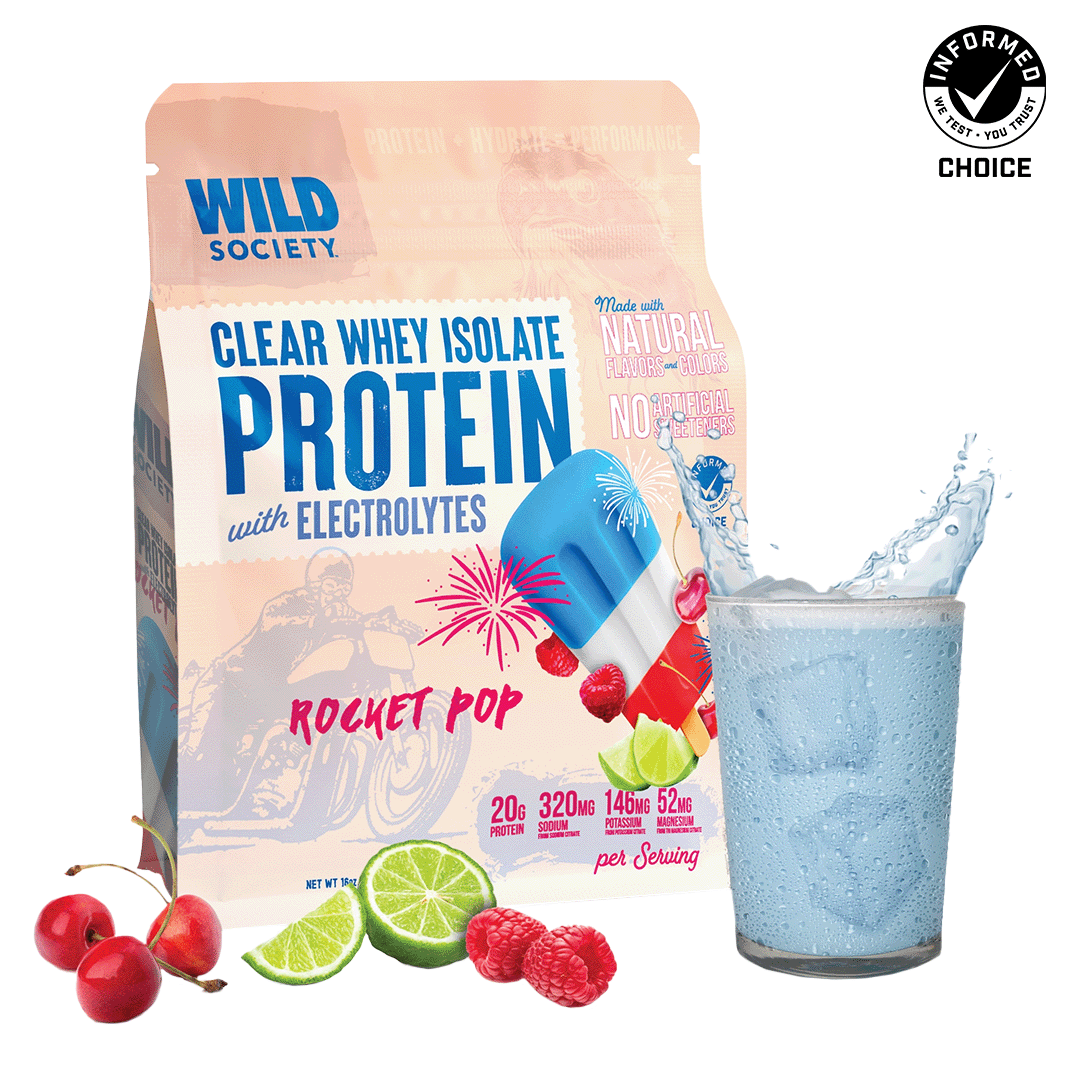
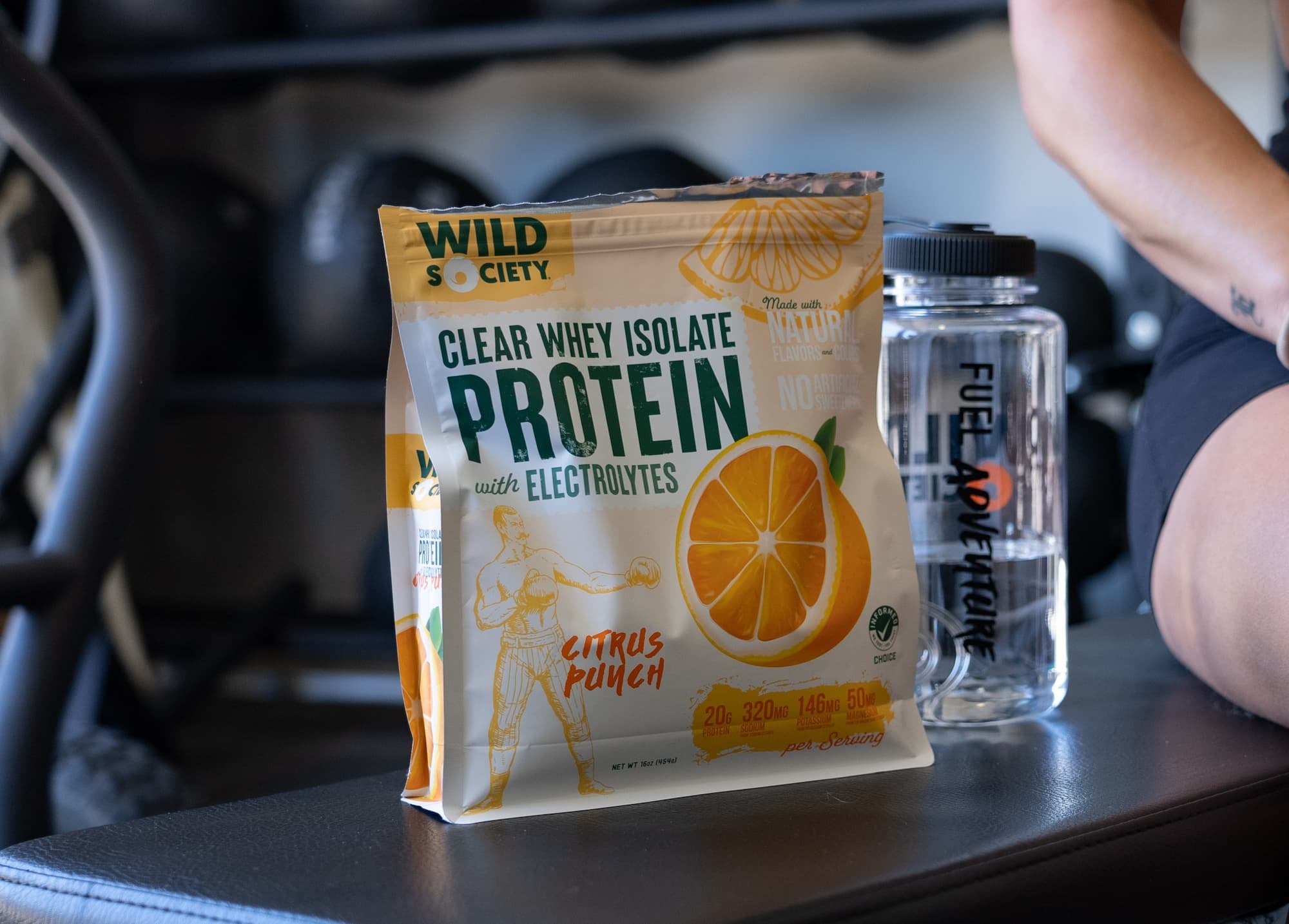
A fruity clear-whey powder or fruit-flavored RTD is a different proposition from creamy vanilla whey. If you prefer one of those products, enjoy it separately with your coffee rather than assuming all protein drinks work as creamers. For the broader ingredient comparison, read whey isolate versus concentrate.
Normal hot-drink preparation does not make the protein grams disappear. Heat can denature proteins, meaning their folded structure changes, and this can alter texture or cause aggregation. Denaturation is not the same thing as removing the amino acids that make up the protein. For your coffee, the practical issue is usually drinkability and mixing.
The dairy industry's technical report on whey protein heat stability describes how heating unfolds whey proteins and can cause aggregation. Temperature, acidity, salts, and protein concentration influence that process. The report concerns ingredient formulation, not a test of WSN powder in coffee, so it does not establish a universal clump-free temperature. Start with the cool-liquid mixing method above and adjust the liquid amount for your powder.
Adding protein to coffee can make an existing routine more convenient. It does not automatically turn coffee into a complete meal. Think about what you would otherwise eat and whether the drink leaves room for foods that provide fiber, carbohydrates, fats, and micronutrients. Fruit, oats, toast, or another breakfast food can play a different role from the protein scoop.
The same distinction applies after exercise. A drink can contribute protein while the rest of your meal supplies other nutrients and energy. There is no need to describe coffee itself as a special muscle-building ingredient. Consistent food intake and training matter more than making one drink sound like a shortcut.
For more ways to use the same product at breakfast, see our whey-protein breakfast ideas.
Adding protein does not cancel the caffeine in coffee. The FDA cites 400mg caffeine a day as an amount not generally associated with negative effects for most adults, but sensitivity varies. It is not a target to reach. Consider all your caffeine sources and choose decaf or a smaller coffee if that better suits you.
If caffeine affects your sleep or makes you feel uncomfortable, changing the protein powder is unlikely to solve the caffeine issue. You can use the same mixing approach with decaf coffee. If you have a medical reason to limit caffeine or protein, follow the advice you have received rather than a general recipe.
There is no good basis for treating an ordinary cup of coffee as something that cancels the protein in your drink. Protein coffee is not a special absorption booster either. Focus on a protein amount that fits your day and a caffeine amount you tolerate. If you have a specific medical concern, ask about your exact product and routine.
For someone who tolerates the ingredients and coffee, the combination can be a practical choice. Check milk or other allergens, account for caffeine, and use a preparation method that avoids hot-liquid pressure and splashing. It does not need to replace breakfast, and it should not be treated as a weight-loss intervention or a reason to exceed your usual caffeine intake.
A few lumps in an otherwise properly prepared drink are usually a texture issue, but they make it harder to know whether all the measured powder was consumed. Re-mix visible dry pockets and do not swallow powder dry. Discard a drink that seems spoiled or was stored improperly. Start the next cup with cool liquid and mix before adding coffee.
Avoid boiling liquid in a sealed shaker and avoid ingredients that conflict with your allergies or dietary instructions. For taste, a citrus or fruit-flavored clear protein may not suit coffee, while vanilla or chocolate whey is a more natural match. Check the package directions and use appliances only with liquids and temperatures they are designed to handle.
That question assumes a universal recommendation that does not exist. A clinician may advise against a specific supplement because of ingredients, a health condition, or the person's overall diet. If that applies to you, ask about the exact formula. Otherwise, treat a protein powder as one convenient way to fill a food gap rather than a mandatory daily addition.
Start with the protein gap you want the drink to fill, then choose the preparation you enjoy. Our guide to how many protein shakes a day can help with the broader routine. For a vanilla latte-style or chocolate mocha-style starting point, use WSN Grass-Fed Whey Protein.
This article is for general informational purposes and isn't medical advice.

Best Sellers
Use this text to share information about your collection with your customers.