“Bulk vs cut” refers to two specific diet and fitness plans. Bulk is all about making muscle gains while cut aims to maintain muscle and lose fat.

For many bodybuilders and gym-goers, the question isn’t “bulking or cutting?” The question is when to bulk vs cut, in an ongoing cycle. Each plan is treated as a phase. The bulk period usually results in weight gain, while the cut period results in weight loss. And the end goal is a strong, lean body.
Let’s see what each phase entails.
Bulking vs. Cutting: What’s the Difference?
|
Bulking (Muscle Gain Phase)
|
Cutting (Fat Loss Phase)
|
|
Primary Goal
|
Build muscle size and strength
|
Reduce body fat while maintaining muscle
|
|
Calorie Intake
|
Caloric surplus (eat more than you burn)
|
Caloric deficit (eat less than you burn)
|
|
Protein Intake
|
High (to support muscle growth)
|
High (to preserve lean muscle)
|
|
Carbohydrates
|
Higher to fuel performance and recovery
|
Moderate to lower, depending on strategy
|
|
Fats
|
Moderate for hormone support
|
Moderate, often slightly reduced
|
|
Training Focus
|
Progressive overload, strength gains, volume
|
Maintain strength, increase intensity or conditioning
|
|
Cardio
|
Minimal to moderate
|
Moderate to high, depending on goals
|
|
Body Changes
|
Muscle gain + some fat gain
|
Fat loss + possible slight muscle loss
|
|
Timeline
|
Typically longer (months)
|
Often shorter, more defined phases
|
|
Best For
|
Athletes in growth/off-season phases
|
Athletes preparing for events or leaning out
|
|
Energy Levels
|
Generally higher due to more calories
|
Can feel lower, especially in deeper deficits
|
Bulking Phase
What is bulking?
Bulking is a strategic period of eating more calories than you burn with a goal to gain weight, primarily in the form of muscle mass.
This extra energy you get from a caloric surplus supports anabolism, the process where your body builds new muscle tissue. To make that happen, bulking is typically paired with consistent resistance training, often focused on increasing weights over time to stimulate muscle growth.
There are different approaches to bulking:
Regardless of the method, the core idea is the same: fuel your body with enough calories, protein, and training stimulus to promote muscle growth over time.
Cutting Phase
What is cutting?
Cutting is a strategic period of eating fewer calories than you burn with a goal to lose weight, primarily in the form of fat, while maintaining as much muscle mass as possible.
Since cutting involves eating in a calorie deficit, your body will use stored fat for energy (a process known as fat oxidation). But because energy intake is lower, performance in the gym may feel different than during a bulk. That’s why cutting typically emphasizes maintaining strength and muscle through resistance training, while often incorporating cardio or conditioning to support fat loss.
Nutrition plays a critical role during this phase:
Cutting phases are often used after a bulk or leading up to an event or competition, but they can also be part of a general goal to lean out.
At its core, cutting is about balance: losing fat efficiently while holding onto the muscle you worked hard to build.
Bulk Diet vs Cut Diet: Protein is #1 Either Way
Whichever phase you are in, bulk vs cut, protein should come first in your diet. In the bulk phase you’ll need to eat about 1g of protein per pound of body weight each day to grow new muscle. And in the cut phase, you will need to eat about the same amount to maintain your muscle mass and stay full. Now let’s get into the details.
Bulk Diet and Exercise
Starting a bulk is about strategically increasing calories and training with intention to build muscle without unnecessary fat gain.
1. Find Your Calorie Baseline
Start by estimating your maintenance calories, the number of calories you need to maintain your current weight. From there, increase your intake by about 250–300 calories per day (or roughly 10–20%).
Keep it controlled. A slower increase helps you build lean muscle without adding excess body fat, which can make a future cut harder.
2. Prioritize Protein Intake
Protein is essential for muscle growth. Aim for approximately 1 gram of protein per pound of body weight per day. This ensures your body has the building blocks it needs to repair and grow muscle tissue.
3. Train for Muscle Growth
Your training should match your goal to build muscle.
-
Lift weights at least 3x per week
-
Focus on:
-
The final reps should feel close to failure
-
Gradually increase weight over time (progressive overload)
4. Track Progress (But Keep It Realistic)
Monitor your progress every couple of weeks:
-
Aim to gain about 0.25–0.5% of your body weight per week
-
If your weight isn’t increasing, add another 100–200 calories per day
-
If you’re gaining too quickly, slightly dial calories back
You can track food intake, workouts, and weight using a simple app or journal.
5. Adjust as You Go
Bulking is not set-it-and-forget-it.
-
Reassess every 2–3 weeks
-
Pay attention to strength gains, energy levels, and body composition
-
Stay flexible and make small adjustments as needed
6. Know When to Transition
A typical bulk can last anywhere from 1-3 months (or longer) depending on your goals.
Many people choose to end a bulk when:
From there, you can either maintain or transition into a cutting phase.
Wild Society POV
The goal isn’t just to “eat more” it’s to fuel performance and recovery. A smart bulk supports:
Cut Diet and Exercise
Cutting is about losing body fat while keeping the muscle you’ve built, which means being precise with both nutrition and training.
1. Create a Small Calorie Deficit
Start by identifying your maintenance calories. This time, reduce your intake by about 250–300 calories per day. The goal is a steady, sustainable fat loss, not a crash diet. Cutting too aggressively can increase muscle loss and tank your energy.
2. Keep Protein High
Protein becomes even more important during a cut to help preserve lean muscle mass. Again, aim for 1 gram of protein per pound of body weight per day. This supports recovery and helps your body hold onto muscle while in a calorie deficit.
3. Balance Training: Lift + Cardio
The goal in training shifts slightly during a cut:
-
Continue strength training (at least 3x per week) to maintain muscle
-
Expect some decrease in strength or intensity. This is normal
-
Add cardio or conditioning to increase calorie burn:
The key: Don’t replace lifting with cardio. Use both strategically.
4. Track Progress Carefully
Fat loss should be gradual and measurable:
-
Aim to lose about 0.5–1% of your body weight per week
-
Track weight, strength, and how your clothes fit
-
If progress stalls, reduce calories slightly (100–200 per day) or increase activity
5. Manage Energy + Recovery
With fewer calories coming in, recovery matters more:
-
Prioritize sleep and hydration
-
Expect some lower energy days and adjust intensity when needed
-
Avoid overtraining, which can lead to burnout or injury
Cutting should feel challenging, not exhausting.
6. Stay Consistent (and Patient)
A successful cut is built on consistency:
-
Stick with your plan for 6–12 weeks, depending on your goal
-
Avoid constant changes. Small adjustments work best
-
Focus on maintaining muscle while slowly reducing fat
Wild Society POV
Cutting isn’t about doing more. It’s about doing things more efficiently.
When calories are lower, your body needs:
-
High-quality protein for muscle retention
-
Smart hydration to support performance
-
Recovery support to stay consistent
Should You Bulk or Cut Right Now?
Not sure which phase makes sense? Use this quick checklist to decide based on your current goals, body composition, and training.
You Might Want to Bulk If:
-
You want to build muscle size and strength
-
You feel like you’re not gaining muscle despite training
-
Your body fat is relatively low to moderate
-
Your workouts feel under-fueled or stagnant
-
You’re okay with a slight increase in body fat for long-term gains
-
You’re in an off-season or focused on performance over aesthetics
Bottom line: You’re ready to eat more, lift heavier, and grow.
You Might Want to Cut If:
-
Your goal is to lose body fat and lean out
-
You’ve recently completed a bulk
-
Your body fat is higher than you’d like
-
You want to improve muscle definition
-
You’re preparing for an event, season, or summer
-
You feel like your nutrition could be more dialed in
Bottom line: You’re ready to tighten things up and get leaner.
You Might Want to Maintain If:
-
You’re new to training and seeing both muscle gain and fat loss already
-
You want to improve body composition without extremes
-
Your schedule or lifestyle doesn’t support strict tracking right now
-
You’re focused on building consistent habits first
Bottom line: You don’t need extremes, you need consistency.
Fueling Your Bulk
When you’re in a bulking phase, the goal is to fuel harder training and better recovery.
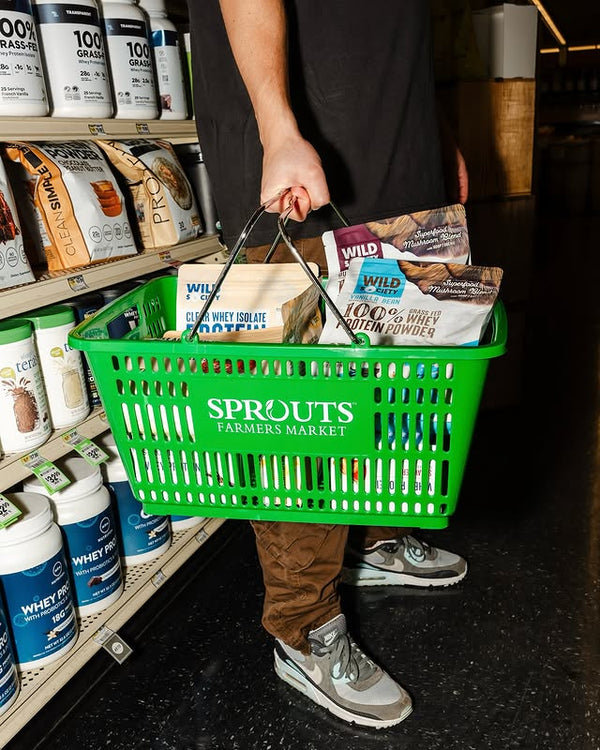
You’ll need to get enough protein to support muscle growth and stay hydrated during longer, more intense sessions. For this, we recommend our Grass-fed protein powder. Grass-fed is easier to digest than regular whey protein due to the all-natural diet of grass-fed cows.
 SHOP NOW
When to use it:
-
Post-workout for recovery
-
Between meals to help hit calorie and protein targets
-
During longer training sessions when hydration matters
Fueling Your Cut
Cutting is where things get more precise. You’re eating less but asking your body to hold onto muscle and keep performing. That means every calorie needs to work harder.
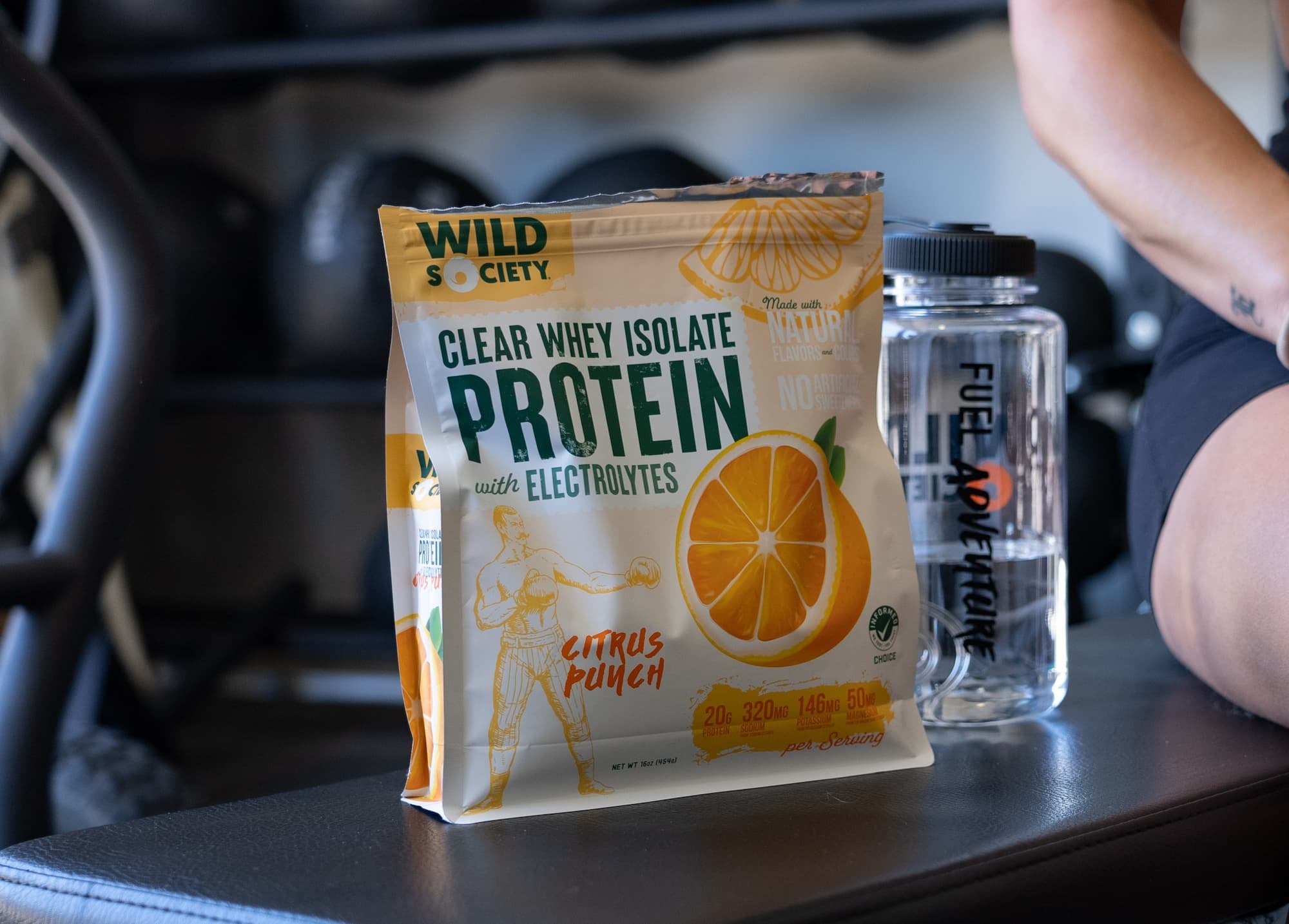
During a cut, your focus shifts to foods and supplements that are effective without being heavy A clear whey formula works especially well here because it delivers protein without excess calories.
 SHOP NOW
When to use it:
-
Post-workout to protect muscle
-
As a low-calorie protein option between meals
-
Anytime you need something quick that won’t derail your deficit
Bulk vs. Cut: FAQs
What is the difference between bulking and cutting?
Bulking is a phase where you eat in a calorie surplus to build muscle, while cutting is a phase where you eat in a calorie deficit to lose body fat. The goal of bulking is growth; the goal of cutting is definition while maintaining muscle.
Should I bulk or cut first?
It depends on your current body composition:
-
If you’re relatively lean and want to build muscle, start with a bulk
-
If you have higher body fat and want to lean out, start with a cut
If you’re unsure, starting with a short cut can help improve insulin sensitivity and set you up for a more effective bulk.
Can you build muscle while cutting?
Yes, but it’s harder. Beginners or those returning after a break can sometimes build muscle and lose fat at the same time (body recomposition). For most people, cutting is focused on maintaining muscle, not gaining it.
How long should a bulk or cut last?
-
Bulking: Typically 1–6+ months, depending on goals
-
Cutting: Usually 6–12 weeks for a focused fat loss phase
The key is progress and not rushing either phase.
How much weight should you gain during a bulk?
A good target is about 0.25–0.5% of your body weight per week. This helps maximize muscle gain while minimizing excess fat.
How much weight should you lose during a cut?
Aim for about 0.5–1% of your body weight per week. Faster weight loss increases the risk of muscle loss.
Do you need to bulk to build muscle?
Not necessarily, but being in a slight calorie surplus makes it easier to build muscle efficiently. You can build muscle at maintenance, but progress is typically slower.
Do you need to do cardio during a cut?
Cardio can help increase calorie burn, but it’s not required. The priority is maintaining a calorie deficit and continuing strength training to preserve muscle.
Will I gain fat during a bulk?
Most people will gain some fat along with muscle and that’s normal. The goal is to keep it minimal by using a controlled calorie surplus, not overeating.
Will I lose muscle during a cut?
You can lose muscle if the cut is too aggressive. To minimize this:
What is a clean bulk vs. dirty bulk?
-
Clean bulk: Controlled calorie increase with mostly whole, nutrient-dense foods
-
Dirty bulk: Eating in a large surplus with fewer restrictions
A clean bulk typically leads to better long-term results and less fat gain.
Can you skip bulking and just stay lean?
Yes. Many people choose to maintain instead of cycling between bulk and cut phases. This approach focuses on consistency over extremes.
Resources:
Bulking vs Cutting: Pros, Cons, and Comparison
Bulk and Cut: What It Is and How to Do It
Photos by Bradley Dunn on Unsplash and Sven Mieke on Unsplash