

Carbs for Performance: When and How to Use Them
If you’ve ever cut carbs and felt great… and then suddenly hit a wall in your workouts, you’re not alone. Carbs have gotten a bad reputation. But when it comes to performance, they’re not the...

Fibermaxxing is the practice of intentionally increasing fiber intake, often above typical levels, to improve digestion, fullness, and overall health.
If you’ve been on TikTok or reading about nutrition trends lately, you’ve probably seen the term fibermaxxing. Like most trends, it sounds extreme.
But the idea behind it? Actually pretty simple, and in some cases, useful. So let’s break it down.
Instead of just “eating healthy,” people following this trend are:
At its core, fibermaxxing is about one thing: Getting enough fiber, something most people don’t do.
Most people are under-consuming fiber. The average person falls well below recommended daily intake levels. That gap is what’s driving the trend.
Fiber has been linked to:
So when people start increasing it, they feel the difference.

When done correctly, increasing fiber intake can support:
Fiber helps keep things moving. It supports regular bowel movements and overall gut function.
High-fiber foods slow digestion, which helps you stay full longer.
This can be helpful if you’re trying to manage hunger without constantly thinking about food.
Fiber slows how quickly carbohydrates are absorbed.
That means fewer spikes, and crashes, in energy.
Certain types of fiber act as prebiotics, feeding beneficial gut bacteria. That plays a role in everything from digestion to immune health.
Here’s where the trend can go wrong. Like anything in nutrition, more isn’t always better.
If you increase fiber too quickly, especially without also increasing your water intake, you might notice:
Your gut needs time to adjust.
Focusing only on fiber can mean neglecting:
That’s where performance can start to suffer.
There’s a difference between:
The goal isn’t maxing out, it’s optimizing. From a performance standpoint, I’ve seen people go too far with trends like this. Getting enough fiber matters, but going all-in on one thing rarely leads to better results.
General guidelines:
Most people don’t hit these numbers.
So before you think “What is fibermaxxing?,” and “Should I try it?” it’s worth asking:
Are you even hitting the basics?
Here is a more detailed breakdown from The U.S. Department of Agriculture and U.S. Department of Health and Human Services Dietary Guidelines for Americans, 2020-2025.
|
Age |
Women |
Men |
|
19-30 |
28 grams |
34 grams |
|
31-50 |
25 grams |
31 grams |
|
51 and older |
22 grams |
28 grams |
If you want the benefits without the downsides, keep it simple.
Don’t jump from low fiber to high overnight. Add fiber slowly over a few days or weeks.
Fiber pulls water into your digestive system. Without enough fluids, it can actually make digestion worse.
Good sources include:
These come with nutrients, not just fiber.
If you’re active, fiber alone isn’t enough.
You still need:
Fiber is great for digestion and overall health but it’s not a performance nutrient on its own.
One mistake I see with trends like fibermaxxing is people start focusing on one thing and unintentionally neglect the basics:
If you’re training, those are non-negotiable.
Fiber can support your routine. But it shouldn’t come at the expense of recovery. That’s where a more balanced approach comes in.
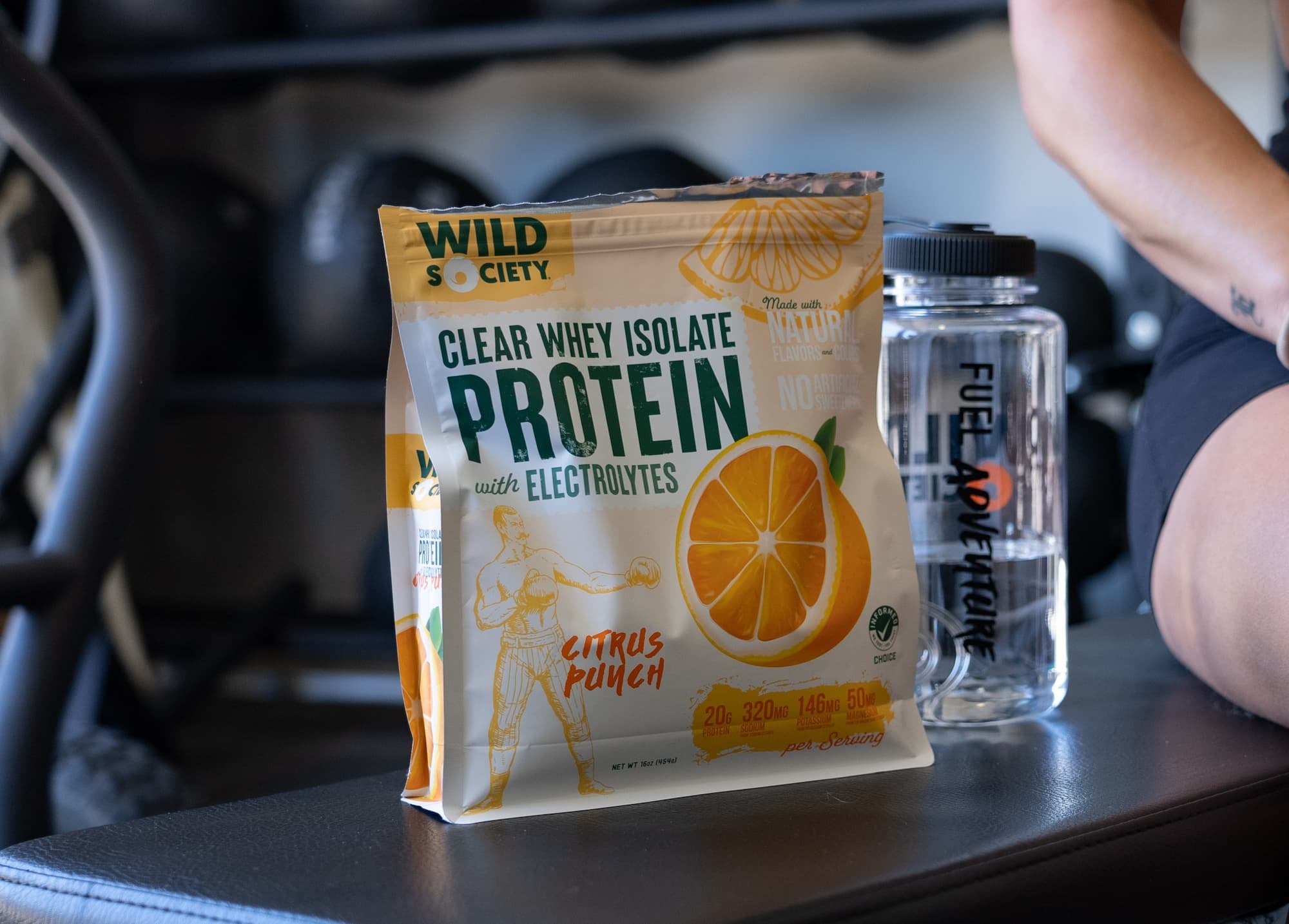
For instance at Wild Society Nutrition, we focus on what your body actually needs after training with Protein + Hydration. It gives you:

Fiber is part of the bigger picture.But performance and how you feel day to day comes from putting all the pieces together.
This is where context matters.
Fiber is great for overall health but timing matters if you’re training.
Before workouts:
After workouts:
Fiber is fine but don’t let it replace protein or hydration
If performance is your goal, fiber should support your routine, not interfere with it.
Fibermaxxing can be healthy if it helps you reach recommended daily fiber intake through whole foods. But pushing fiber too high, especially too quickly, can cause digestive issues and may interfere with balanced nutrition. The key is moderation: Enough fiber to support health, not so much that it creates problems.
|
Benefits |
Risks |
|
Better digestion |
Bloating if increased too fast |
|
More fullness |
Gas and discomfort |
|
Stable energy |
Can crowd out protein/fats |
|
Gut health support |
Not ideal around workouts |
If you’re trying to increase intake, start here:
Simple, accessible, and easy to add into your day.
Here’s the honest answer:
Most people don’t need to “fibermaxx.” They just need more fiber.
If you’re currently low, increasing fiber can:
But pushing it to extremes doesn’t give you extra benefits, and can backfire. Work to get the fiber you need. That’s important.
Yes if done gradually and within reasonable intake levels.
Yes. Too much fiber can cause digestive issues like bloating and cramping.
Fiber can help you feel full longer, which may support weight management, but it’s not a standalone solution.
Not necessarily. Athletes should have enough fiber, not the most their bodies can handle.
Fibermaxxing isn’t a magic solution.
But it’s pointing to a real problem: most people aren’t getting enough fiber.
Fix that first.
Then focus on balance.
Photo by Louis Hansel, and Ella Olsson on Unsplash

Best Sellers
Use this text to share information about your collection with your customers.