

Best Post-Workout Drink: What to Choose for Strength, Cardio, and Heat
The best post-workout drink depends on duration, sweat, and your next meal. Choose the right mix of water, electrolytes, carbs, and protein.

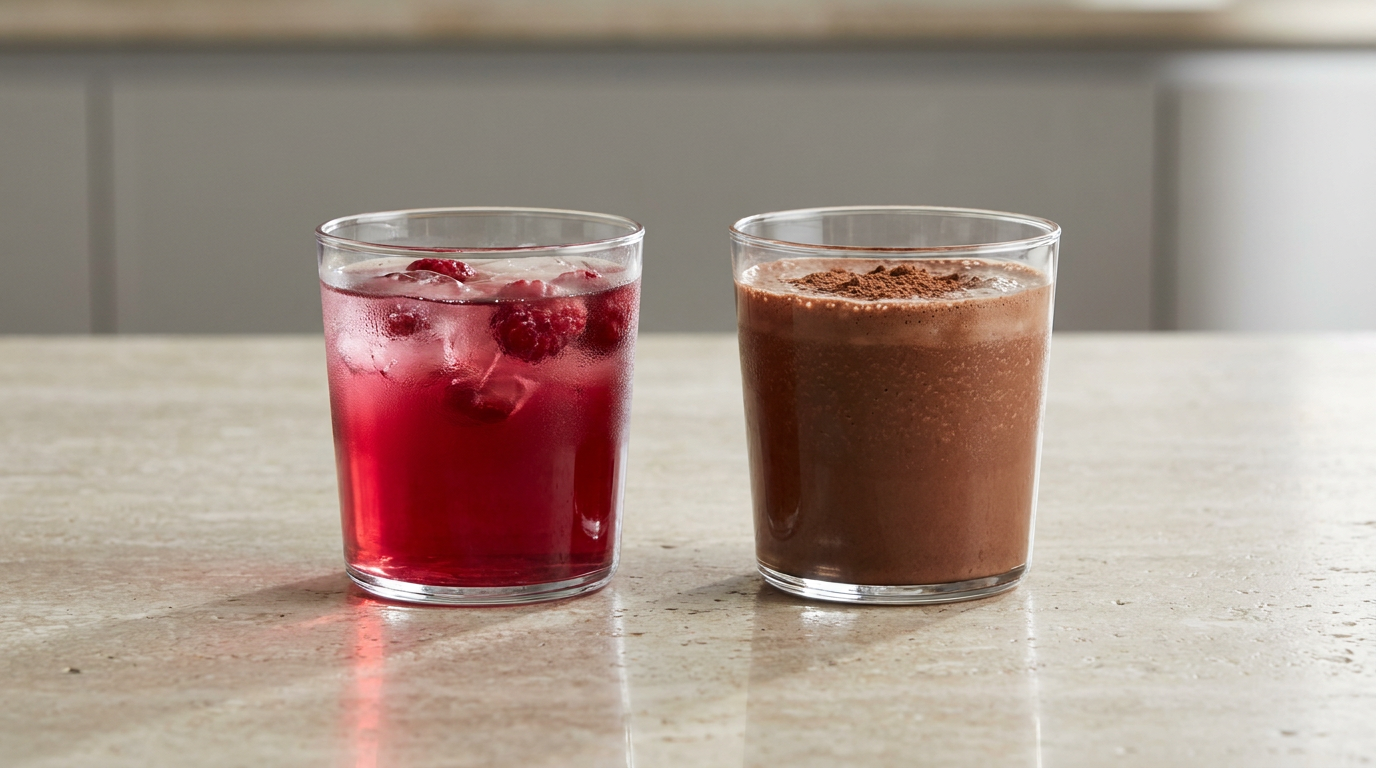
Clear whey and regular whey protein come from the same broad dairy protein family, but they create very different drinks. Clear whey mixes into a light, translucent, fruit-flavored beverage. Regular whey usually produces a creamy shake in flavors such as chocolate or vanilla.
For most people, the better choice is not about which protein is universally superior. It is about protein dose, formulation, tolerance, taste, and the setting in which you plan to use it. A clear drink may feel more appealing after a hot run, while a creamy shake may be a better base for a filling smoothie.
Here is how clear whey and regular whey compare, and what to look for beyond the name on the tub.
Clear whey is generally made from whey protein isolate that has been further processed and formulated to dissolve into an acidic, juice-like drink. It is often flavored with citrus, berry, or tropical profiles rather than dessert flavors.
“Clear” describes the finished appearance and drinking experience. It does not mean the product is dairy-free. Whey comes from milk, so people with a milk allergy should avoid it. Lactose content varies by product and should be confirmed on the label.
Clear whey powder can foam when mixed. Letting it rest after stirring or shaking allows the foam to settle and the drink to become clearer.

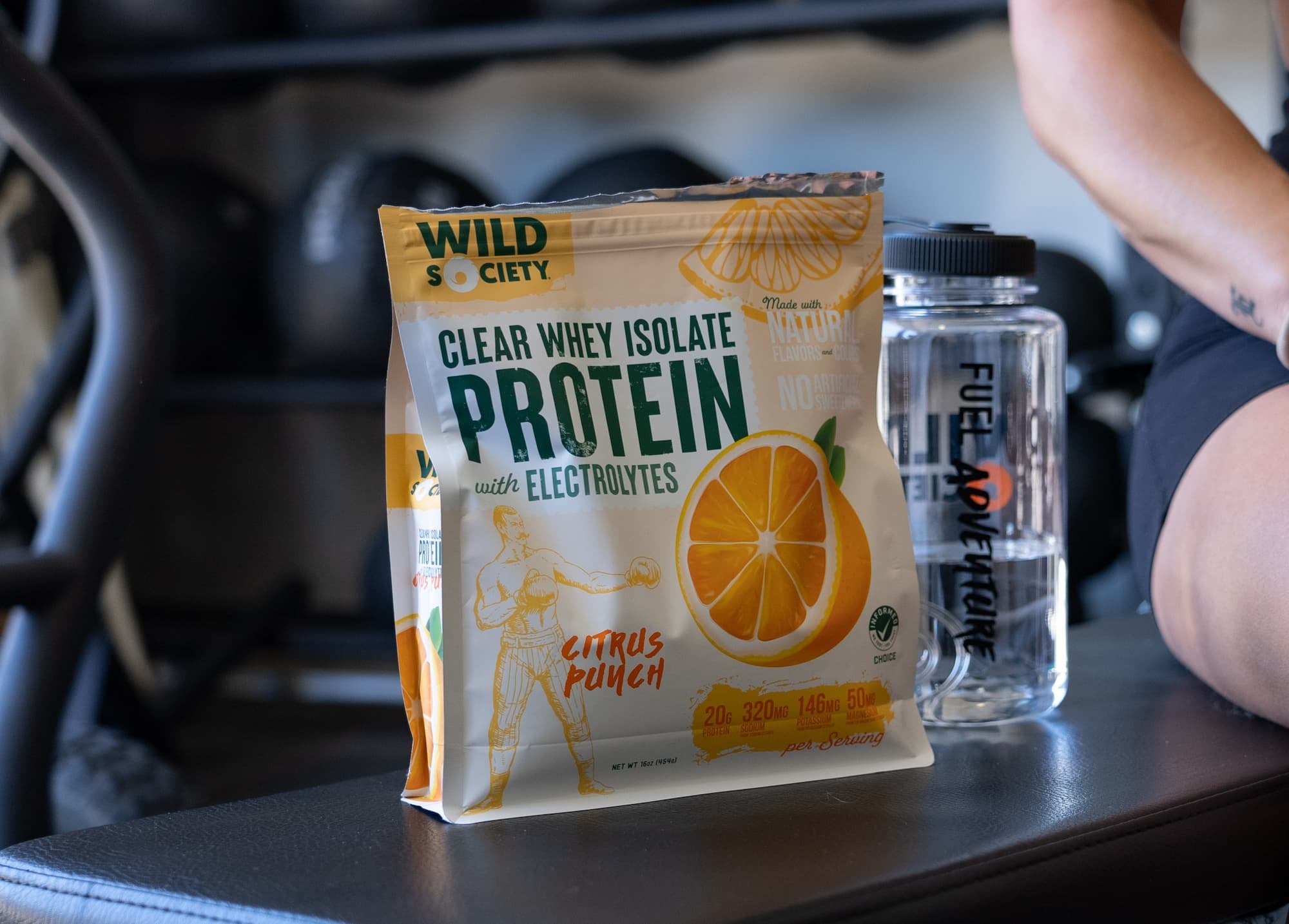
20g protein · 320mg sodium · 146mg potassium · 52mg magnesium
Regular whey protein powder is typically made with whey concentrate, whey isolate, or a blend. When mixed with water or milk, it creates an opaque, creamy drink. Products may also include thickeners, flavors, sweeteners, digestive enzymes, fats, carbohydrates, or functional ingredients.
Whey concentrate retains more of the non-protein components found in whey and can contain more lactose and fat than isolate. Whey isolate is filtered to raise the protein percentage and remove more lactose, fat, and carbohydrate. Those processing differences matter, but they are separate from the clear-versus-creamy format comparison.
| Factor | Clear whey | Regular whey |
|---|---|---|
| Drink style | Light, translucent, fruit-flavored | Creamy, opaque, often dessert-flavored |
| Common protein base | Whey protein isolate | Whey concentrate, isolate, or a blend |
| Typical mix | Cold water | Water, milk, or smoothie ingredients |
| Best use cases | Hot weather, post-cardio, travel, light refreshment | Smoothies, meal-adjacent use, creamy preference |
| Lactose | Often low, but label-dependent | Depends strongly on isolate vs concentrate |
| Protein quality | Complete dairy protein | Complete dairy protein |
| Added ingredients | May include electrolytes | May include fats, carbs, fiber, botanicals, or enzymes |
When both provide a comparable dose of high-quality whey protein, clear and regular whey can both contribute to muscle protein synthesis and recovery. Your muscles respond to the amino acids provided, not whether the drink looks like juice or a milkshake.
The NIH Office of Dietary Supplements summarizes sports nutrition guidance that places emphasis on total daily protein, high-quality sources, and distributing servings across the day. A supplement can help meet those needs, but it is not inherently better than a protein-rich meal.
Compare the grams of protein per serving, serving size, complete ingredient list, and how the product fits your daily intake. A 20-gram clear whey may be more useful than a 10-gram creamy drink simply because it supplies more protein, and the reverse can be true.
Clear whey is often marketed as lean, but the format alone does not guarantee a particular calorie, sugar, or electrolyte level. Regular whey is not automatically higher in calories either. Water versus milk, the size of the scoop, and added ingredients can change the final drink substantially.
Use the nutrition facts panel to compare:
If you mix regular whey with milk, fruit, nut butter, or oats, the drink can become a more complete recovery snack with carbohydrates and energy. If you mix clear whey with water, it stays lighter but may need food alongside it after demanding training.
Clear whey is usually tart, crisp, and fruit-forward. It can be refreshing when you do not want dairy-like flavor after exercise. Regular whey is smoother, richer, and often more satisfying for people who enjoy shakes or use protein in recipes.
Neither texture is a reliable indicator of digestibility. Some people tolerate an isolate-based clear whey better because isolates usually contain less lactose, but individual responses vary. Acidity, sweeteners, serving size, and speed of drinking can also affect comfort.
If you know you are lactose-intolerant, select a product with a specific lactose statement. If you have a diagnosed milk allergy, whey in either format is unsuitable.
A clear whey mixed with water contributes fluid, and some formulas add sodium, potassium, or magnesium. That can be convenient after heavy sweating, but a protein-electrolyte drink is not necessary for every session.
Water and normal meals usually cover shorter, moderate workouts. Longer sessions, heat, and high sweat losses increase the case for deliberate fluid and electrolyte replacement. A zero-sugar clear whey does not provide the carbohydrates that may be important after prolonged endurance exercise.
Read Can You Take Protein and Electrolytes Together? for a more detailed recovery framework.
Regular whey is versatile in smoothies, oatmeal, yogurt, and baking. A creamy base also pairs naturally with carbohydrate- and fat-containing ingredients, making it easier to build a substantial snack.
That flexibility can be useful for people trying to gain weight, meet high energy needs, or create a breakfast that holds them longer. It can be less appealing immediately after a hot outdoor workout or for someone who dislikes milkshake textures.
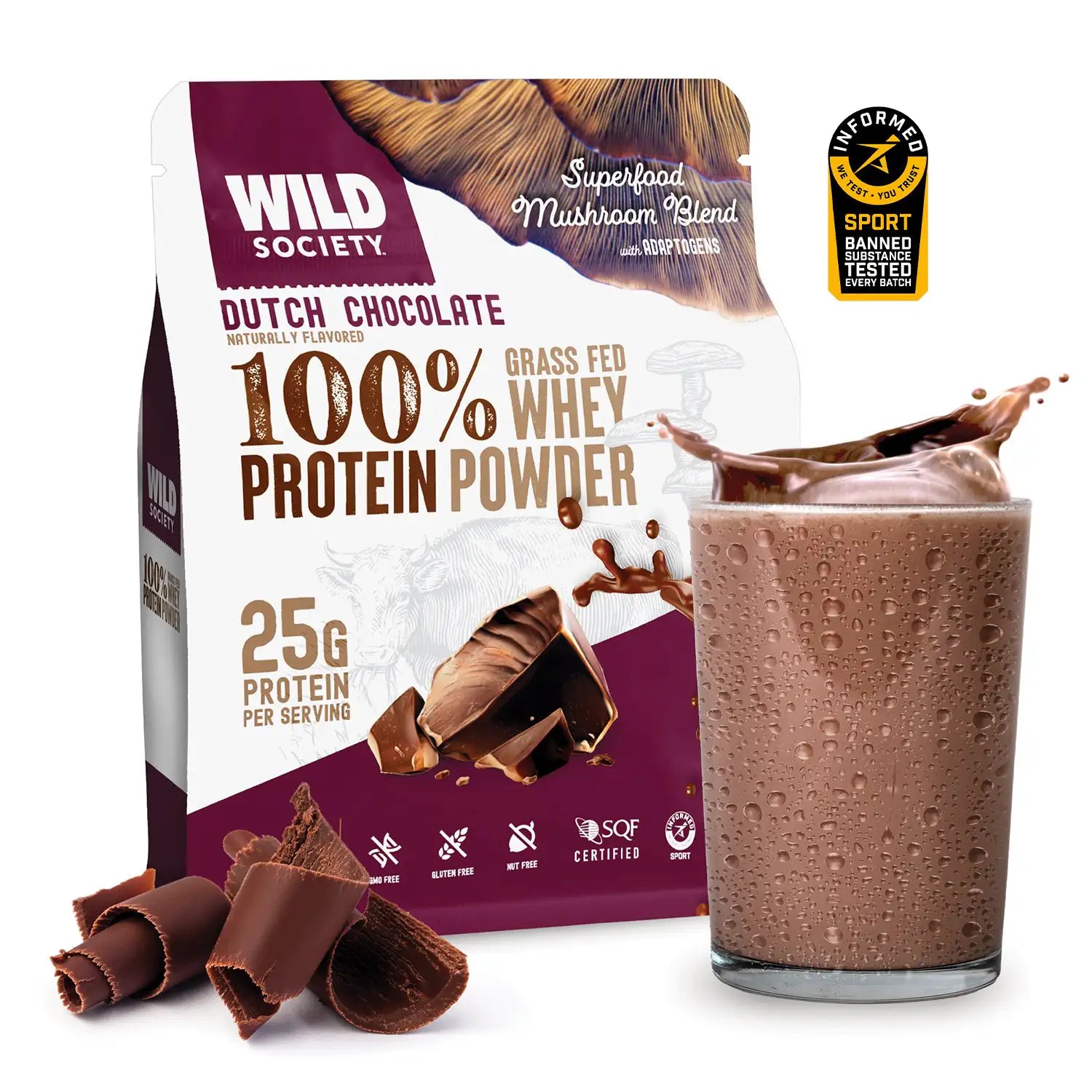
25g protein per serving
Different situations call for different textures. Clear whey might live in your gym bag for post-workout use, while regular whey stays in the kitchen for breakfast smoothies. There is no nutritional rule that says you must commit to one format.
Clear whey and regular whey start with dairy whey, but the formulation goals are different. Clear whey is typically built from a highly filtered isolate and adjusted for a tart, water-like beverage. Regular whey may use concentrate, isolate, or a blend and is formulated to stay creamy when mixed with water or milk.
Clear whey often uses acidity to create its fruit-drink profile. Regular whey commonly uses cocoa, vanilla flavors, gums, emulsifiers, or thickeners to build body. Those formulation choices explain much of the sensory difference. They do not create two completely unrelated proteins.
Whey isolate describes a level of filtration and protein concentration. Clear whey describes a finished beverage style. A creamy powder can use whey isolate, and a clear powder also commonly uses isolate. Comparing clear whey with whey isolate as if they are opposites can therefore be misleading.
A more accurate comparison asks two questions. First, is the protein concentrate, isolate, or a blend? Second, is the finished product designed as a clear fruit drink or a creamy shake? Reading both the ingredient list and preparation directions answers those questions.
When the serving size and protein source are comparable, both clear whey and regular whey provide the essential amino acids needed to support muscle protein synthesis. Leucine is one of the key amino acids involved in initiating that process, and whey is naturally rich in it.
The practical difference is often the dose someone will consistently consume. A clear drink with 20 grams of protein can be more useful than a 25-gram creamy powder that sits unused because the person dislikes the texture. The reverse is also true for someone who enjoys a shake and uses it as a dependable part of breakfast.
A complete whey protein already supplies branched-chain amino acids. Separate BCAA products usually add little when total daily protein and complete-protein intake are adequate. Check the full protein amount before paying more for a prominent BCAA claim.
Whey isolate is generally digested quickly, but the clear appearance does not prove a dramatic performance advantage. Absorption speed can be affected by the full meal, serving size, and individual digestion. For most active adults, consistent protein intake matters more than chasing a small theoretical difference in speed.
Whey isolate usually contains less lactose than whey concentrate because more carbohydrate and fat are removed during filtration. That can make an isolate-based clear whey easier for some lactose-intolerant people to tolerate. It does not mean every clear whey delivers 0g lactose per serving.
Check for an explicit 0g lactose per serving statement on the specific product. Also consider sweeteners, acidity, serving size, and drinking speed. Digestive discomfort blamed on whey can sometimes come from a large serving, sugar alcohols, or consuming the drink very quickly.
Lactose intolerance involves difficulty digesting lactose. A milk allergy is an immune reaction to milk proteins. Whey is a milk protein, so even a whey product with 0g lactose per serving is still inappropriate for someone with a milk allergy.
Stop treating discomfort as something to push through. Review the dose and ingredients, try food-based protein or a suitable non-dairy complete protein, and seek professional guidance if symptoms are significant or persistent.
Clear whey products are often low in fat and carbohydrate because they commonly use isolate and water. Regular whey concentrate may contain slightly more fat and carbohydrate, but the difference can be small. The finished drink changes more when regular whey is blended with milk, fruit, oats, or nut butter.
A light formula is not automatically the right recovery formula. After long endurance exercise, carbohydrate can be useful for restoring glycogen. A zero-sugar clear whey can provide protein without providing that fuel. Pair it with food when the training session creates a meaningful carbohydrate need.
A scoop of regular whey mixed with water is different from the same scoop blended with whole milk and peanut butter. Compare what you actually drink. Include every ingredient when evaluating calories, protein, carbohydrate, and cost.
A creamy shake can feel more substantial, especially when it includes milk, fiber, fruit, or fat. That can be helpful for breakfast, weight gain, or a meal-adjacent snack. Clear whey is usually lighter and may be easier to drink beside a normal meal without replacing appetite.
Neither product should routinely displace whole meals that provide fiber, produce, healthy fats, and varied micronutrients. If hunger management is the goal, compare the entire snack rather than assuming equal protein grams create equal fullness.
Clear whey is naturally associated with water, but electrolyte content depends on the formula. Some products add meaningful sodium, potassium, or magnesium; others contain only the minerals naturally present in the ingredients.
Regular whey mixed with water also contributes fluid. A creamy shake mixed with milk contributes fluid and additional nutrients. The best hydration choice after exercise depends on sweat loss, heat, session duration, and the sodium supplied by the drink and surrounding food.
For a routine indoor workout followed by a balanced meal, water may remain the simplest hydration choice.

Clear whey tends to be tart, sweet, and fruit-forward. Regular whey tends to be creamy and dessert-like. Taste fatigue can occur with either format, so flavor variety and serving frequency matter.
People who experience reflux, sensitive teeth, or discomfort with acidic drinks should consider acidity alongside protein type. Sipping acidic drinks for hours can increase tooth exposure. Drinking within a reasonable period and rinsing with plain water may be more practical than slowly nursing the drink all day.
Regular whey can be mixed into oatmeal, yogurt, pancakes, or smoothies. Heat and recipe ingredients can change texture, so start with a small amount of liquid and follow recipes designed for protein powder.
Clear whey can cost more because of processing, flavor systems, and a smaller competitive market. Regular whey is available across a wider range of formulas and package sizes. Sticker price alone does not show value.
Divide price by the number of full servings, then compare protein grams. A $40 tub with 20 servings costs $2 per serving. A $45 tub with 30 servings costs $1.50. If the first supplies 25 grams and the second supplies 20 grams, cost per 20 grams provides another useful comparison.
Also count the ingredients you would add. A regular shake made with milk, fruit, and nut butter costs more than the scoop alone. A clear whey paired with a separate snack has its own additional cost.
Either format can support muscle gain when it helps meet protein and total energy needs. Regular whey may be easier to turn into a calorie-dense smoothie. Clear whey can be useful when appetite is limited and a heavy shake would crowd out meals.
Protein can help preserve lean mass during an energy deficit, but neither format causes fat loss. A water-based clear whey may contain fewer calories than a shake made with milk and additions. Compare the prepared serving and the full day's energy intake.
Clear whey can be refreshing after cardio and can supply recovery protein. Endurance recovery may also require carbohydrate, sodium, and fluid. A creamy shake with fruit or a clear drink paired with carbohydrate-rich food can both work.
Ready-to-drink clear whey wins when no preparation is possible. Powdered clear or regular whey wins on compact storage and cost. The best choice is the one that removes the specific barrier in the person's routine.
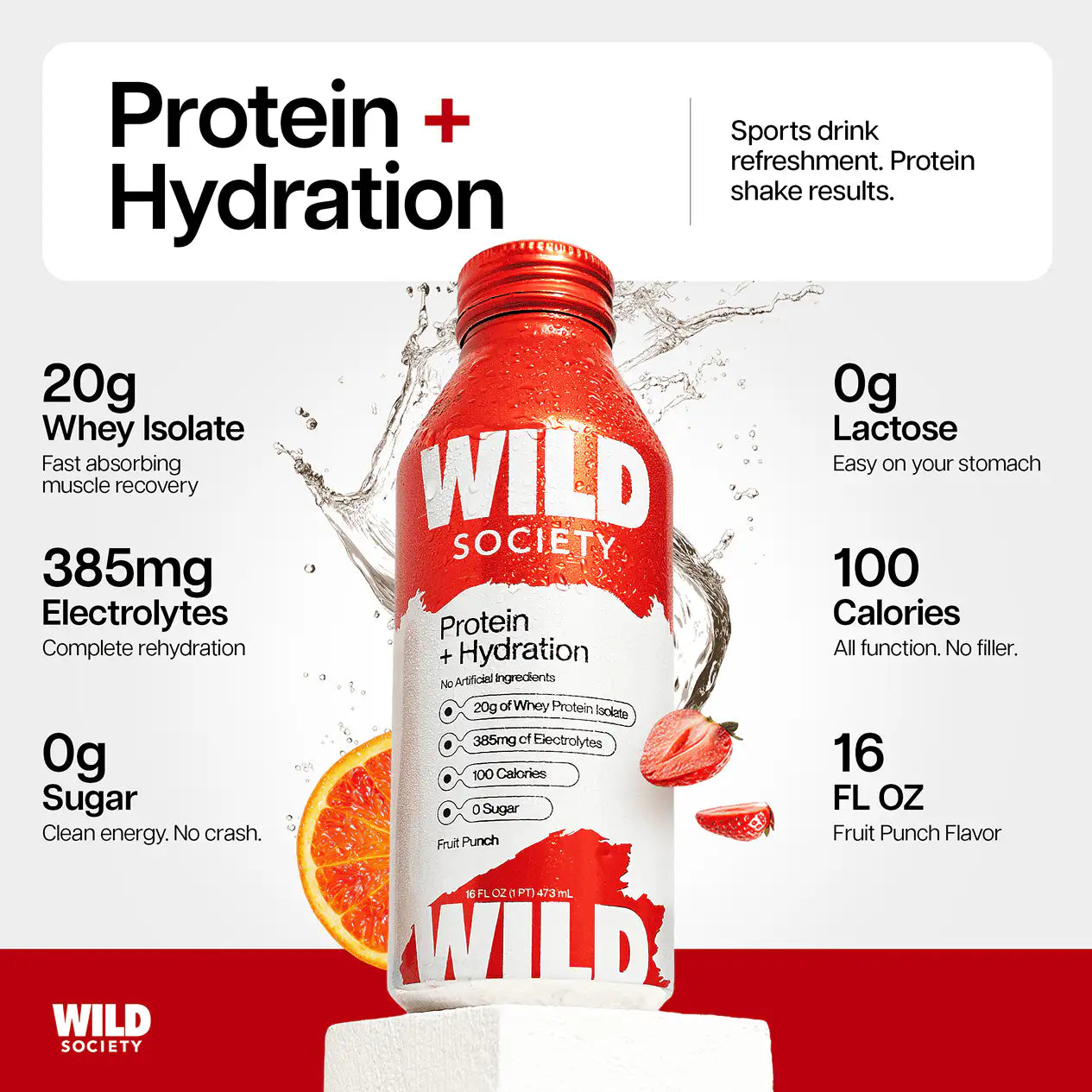
20g protein · 385mg electrolytes · 0g sugar · 100 calories
Ignore the flavor picture and compare the same seven items on both labels: protein source, grams of protein, serving size, calories, carbohydrate, allergens, and added functional ingredients. Then add sodium and other electrolytes if hydration is part of the goal.
The winning choice is not the one with the trendier category name. It is the product that delivers an appropriate complete-protein serving in a format the person can use consistently.
Answering these questions makes the comparison personal without turning preference into an unsupported claim that one whey format is better for everyone.
Turn both packages to the nutrition panel and ingredient list. Compare the prepared serving, not the front-label claim. Start with protein source and grams, then review calories, carbohydrate, fat, sodium, allergens, sweeteners, and serving count.
Then compare preparation. Clear whey should list a water volume and settling method. Regular whey should explain whether it is intended for water, milk, or recipes. If one product requires ingredients you do not plan to buy, include that in the cost and convenience comparison.
Finally, ignore claims that cannot be confirmed from the label. Words such as clean, advanced, premium, and fast do not establish protein quality or a performance advantage. A transparent formula with an appropriate dose is more useful than a heavily marketed formula that leaves basic questions unanswered.
Ask which product you would still use after the novelty of the first flavor wears off. The best nutrition profile on paper loses value when the texture, acidity, preparation, or price makes repeated use unrealistic.
Wild Society Clear Whey Isolate with Electrolytes provides 20 grams of protein per serving. Its label lists 320 milligrams of sodium, 146 milligrams of potassium, and 52 milligrams of magnesium, and it mixes with 16 to 24 ounces of cold water. It is positioned for a light, fruit-flavored drink.
Wild Society Grass-Fed Whey Protein provides 25 grams of protein per serving, according to its label. It creates the more familiar creamy whey experience and includes a mushroom-and-herb blend.
Both contain milk. Compare flavors, full ingredients, serving count, and price per serving before choosing. If maximum convenience matters more than mixing, the ready-to-drink Protein + Hydration RTD supplies 20 grams of protein in a resealable 16-ounce bottle.
Clear whey and regular whey can both provide complete, high-quality protein. Clear whey wins for a light, fruit-flavored drink; regular whey wins for creamy texture and recipe versatility. Protein dose and total diet matter more than appearance.
Choose the option you enjoy, tolerate, and will use consistently. Then match the rest of your recovery nutrition to the workout: water for routine hydration, electrolytes after meaningful sweat loss, and carbohydrates when prolonged training has depleted fuel.
Not universally. If protein dose and quality are similar, both can support protein intake. Clear whey may suit people who want a light fruit drink; regular whey may suit people who want a creamy shake or smoothie base.
Clear whey supplies complete whey protein and can contribute to the protein intake needed to build muscle when combined with resistance training and enough overall food. It does not replace progressive training or a balanced diet.
Some products state 0g lactose per serving on the label, while others may contain small amounts. Clear whey does not automatically deliver 0g lactose per serving. Check the specific nutrition and allergen label.
Mixing introduces air, and proteins stabilize bubbles. Stir or shake according to the label, then let the drink rest until the foam settles.
You can, but the acidic fruit flavor and clear-drink formulation are designed for cold water. Milk can create an unpleasant texture. Traditional whey is the better choice for a milk-based shake.

Best Sellers
Use this text to share information about your collection with your customers.