The best post-workout drink is the one that replaces what your session used and complements what you will eat next. Sometimes that is plain water. Sometimes it is a protein drink. After prolonged exercise in heat, it may need electrolytes and carbohydrates as well.
That is why a single “best” beverage list can be misleading. A 40-minute lifting session, a two-hour bike ride, and a hot outdoor tournament create different recovery priorities. Your sweat rate, body size, goals, and time until the next meal also matter.
Use this guide to choose a drink based on the job it needs to do: rehydrate, replace electrolytes, restore fuel, provide protein, or cover several needs at once.
The four jobs of a post-workout drink
1. Replace fluid
Exercise increases fluid loss through sweat and breathing. Water is the foundation of rehydration. The amount you need depends on how much you lost, not an arbitrary bottle count.
Body-weight changes can provide a rough estimate during long or hot sessions: compare weight before and after under similar conditions, then account for fluid consumed. Avoid trying to “win” hydration by forcing excessive water. Drinking far beyond losses can dilute blood sodium and become dangerous.
2. Replace electrolytes
Sodium is the main electrolyte lost in sweat. Longer duration, heat, high sweat rates, and visible salt residue increase the relevance of replacing it. Potassium, magnesium, and calcium are also important in overall nutrition, but most daily needs come from food.
3. Restore carbohydrate
Carbohydrate replenishes glycogen used during training. It is especially important after prolonged endurance exercise, high-volume sessions, or when another hard effort is scheduled soon. A short, easy workout may not require a special carbohydrate drink if meals already cover energy needs.
4. Supply protein
Protein supplies amino acids for muscle repair and adaptation. Total daily intake and regular distribution matter more than consuming a shake at an exact minute. A post-workout drink is useful when your next protein-containing meal is delayed or appetite is low.
Quick answer: what should you drink?
| Workout |
Good starting choice |
Why |
| Short, easy session |
Water |
Fluid losses and fuel use are usually modest |
| Routine strength workout, meal soon |
Water plus a protein-rich meal |
The meal can cover recovery protein |
| Strength workout, meal delayed |
Protein water or shake |
Convenient protein until you can eat |
| Long run or bike ride |
Carbohydrate-electrolyte drink, plus protein afterward |
Addresses fluid, sodium, and glycogen needs |
| Hot, high-sweat workout |
Water with appropriate electrolytes |
Helps replace meaningful sweat losses |
| Two hard sessions in one day |
Fluid, sodium, carbohydrate, and protein plan |
Fast, complete recovery matters more |
This table is a starting point. Individual health conditions and professional recommendations take priority.
Is water the best post-workout drink?
For many workouts, yes. Water is inexpensive, widely available, and sufficient after shorter or moderate activity when you will eat a balanced meal. Cleveland Clinic notes that water is generally adequate for moderate exercise lasting an hour or less in normal conditions.
Water becomes less complete when you have lost large amounts of sweat, need rapid refueling, or cannot eat soon. Then sodium, carbohydrate, or protein may deserve a place in the recovery plan.
Choose water after:
- A short gym session
- Easy walking, mobility, or recovery work
- Moderate training in cool conditions
- Exercise followed promptly by a balanced meal

When is an electrolyte drink best?
Electrolyte drinks are most useful when sweat loss is meaningful. That includes long workouts, hot or humid conditions, high sweat rates, repeated matches, and jobs or events that keep you active for hours.
Check sodium rather than being distracted by a long mineral list. Sodium is central to replacing sweat losses and retaining fluid. Sugar-free electrolyte drinks can support hydration without fuel; carbohydrate-containing sports drinks add energy as well.
An ACSM hydration overview emphasizes that hydration needs vary and that both underhydration and overhydration can create problems. Personalized plans are more useful than blanket gallon targets.
When is a sports drink best?
A conventional sports drink combines fluid, electrolytes, and carbohydrate. It can be appropriate during or after prolonged exercise, particularly when quick recovery or continued performance matters.
Evidence reviews suggest carbohydrate-electrolyte drinks can support rehydration in some exercise-associated dehydration scenarios. Their sugar is functional fuel in that context, not an automatic benefit for every gym visit.
Choose a sports drink when:
- Exercise lasts well beyond an hour at meaningful intensity
- You are competing or training again soon
- Heat and sweat losses are substantial
- Solid food is unavailable or hard to tolerate
- You need both hydration and rapid carbohydrate
For a direct comparison with protein beverages, read Protein Water vs Sports Drinks.
When is a protein shake best?
A protein shake is useful when protein is the recovery gap. Whey, soy, and other complete protein powders can provide a concentrated serving when your next meal is delayed.
Creamy shakes also work well as a base for carbohydrates and calories. Blend protein with milk, fruit, oats, or yogurt to create a more substantial recovery snack. This can suit muscle-gain goals or athletes with high energy needs.
The tradeoff is texture. Thick shakes may feel unappealing after cardio or hot-weather training. They can also become much higher in calories depending on what you add, which may be helpful or unnecessary depending on your goal.
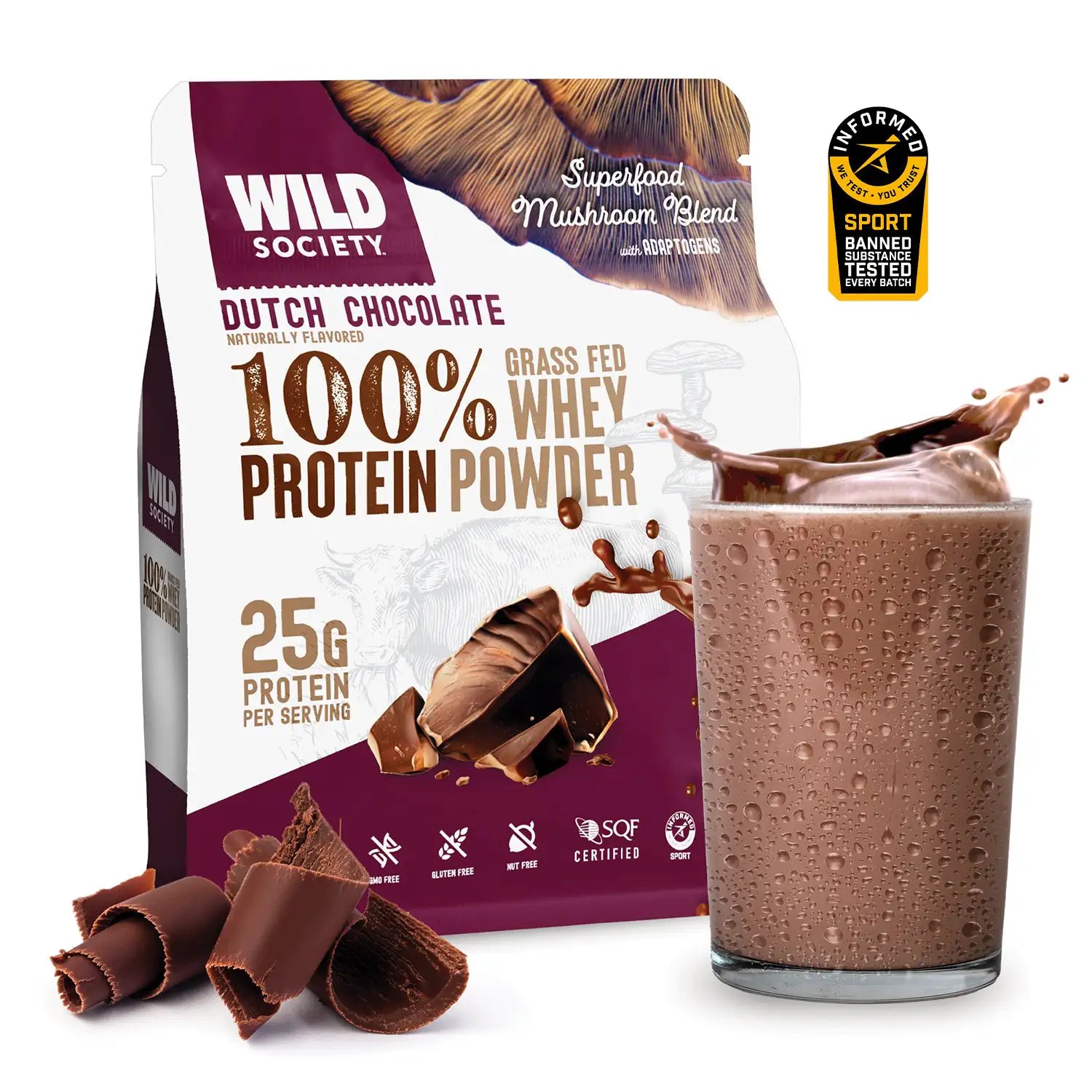
25g protein per serving
When is protein water best?
Protein water offers a light, fruit-flavored alternative to a shake. Many versions use clear whey isolate and provide a complete dairy protein. Some also add electrolytes.
It can fit well after:
- Resistance training when a meal is delayed
- Cardio when you want protein but not a creamy texture
- Hot-weather training when a light drink is more appealing
- Travel, work, or errands when preparation is inconvenient
Protein water still requires label reading. Check protein grams, electrolytes, sugar, sweeteners, and allergens. A zero-sugar version will not replace carbohydrate after a long endurance effort.
Learn what separates the category from ordinary shakes in What Is Protein Water?.

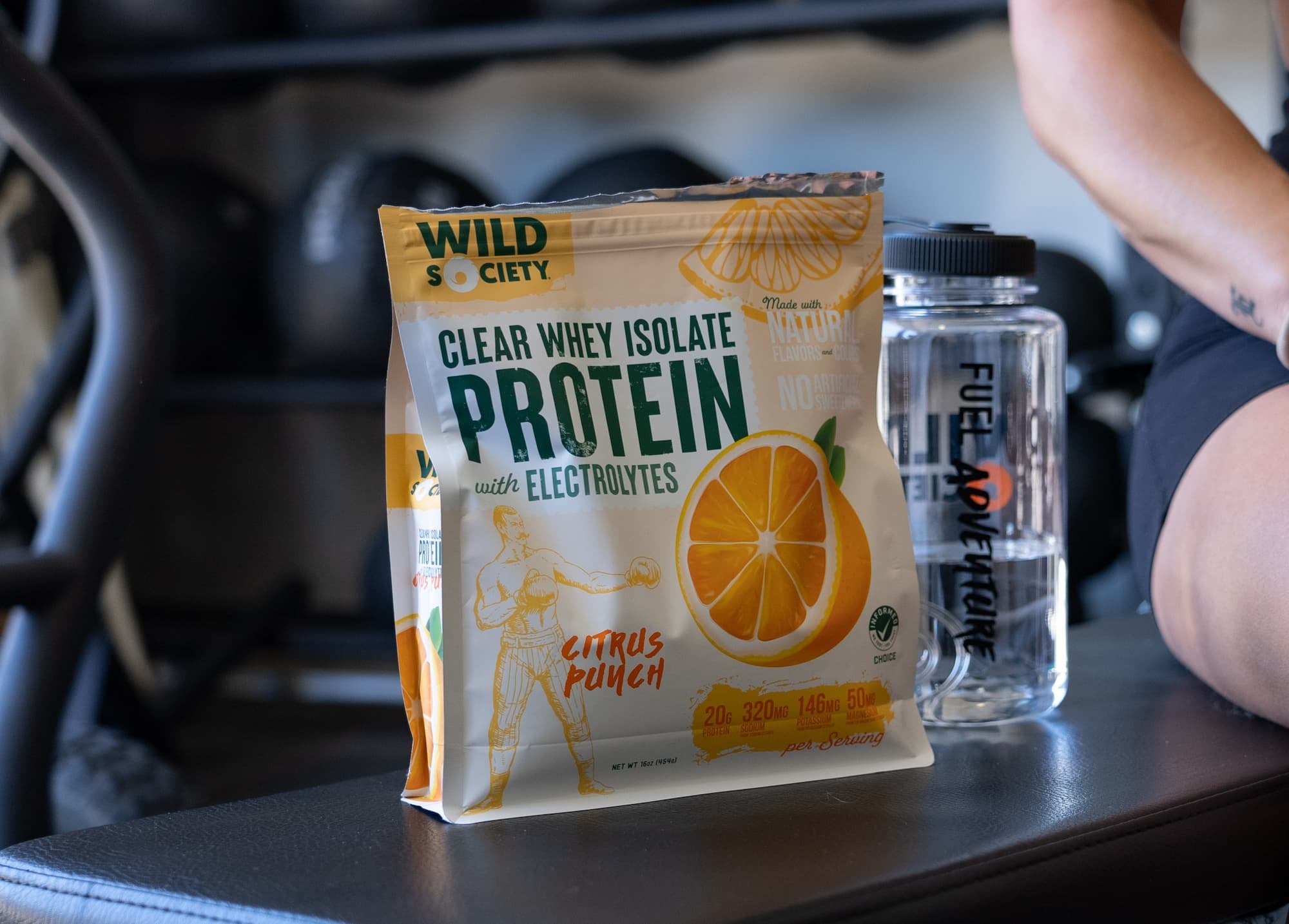
20g protein · 320mg sodium · 146mg potassium · 52mg magnesium
Is chocolate milk a good recovery drink?
Chocolate milk combines fluid, protein, carbohydrate, sodium, and potassium. That makes it a practical all-in-one option after demanding exercise for people who tolerate dairy and want the carbohydrate.
It is not ideal for everyone. Milk allergy, lactose intolerance, calorie targets, flavor preferences, and refrigeration needs can make another option more practical. It also does not allow the same control over protein and electrolyte doses as separate products.
What about smoothies?
Smoothies can become complete recovery snacks when they include fluid, fruit or another carbohydrate source, and a high-quality protein. They also make it easy to add produce and energy for athletes with high needs.
The downside is preparation and portion creep. A homemade smoothie can be exactly tailored; a large commercial smoothie may contain far more added sugar or calories than expected. Check ingredients rather than assuming “smoothie” means balanced.
Are tart cherry juice and tea recovery drinks?
Tart cherry products have been studied for exercise recovery, and tea can contribute fluid and plant compounds. Neither is automatically a complete recovery drink because protein, sodium, and carbohydrate levels may not match your needs.
They can be additions to a recovery routine, not substitutes for the basics. Start with enough fluid, food, protein, and sleep before optimizing specialty ingredients.
Best post-workout drink after strength training
Strength training increases the value of a convenient protein serving. If a balanced meal containing protein is coming within a couple of hours, water can be enough. If not, choose a protein shake or protein water.
Many sports nutrition recommendations use about 0.3 gram of high-quality protein per kilogram of body weight in a post-exercise serving, then emphasize regular servings across the day. Individual needs vary, and more protein in one drink is not always better.
Add carbohydrate when training volume is high, overall energy needs are high, or another session is close. A banana, oats, rice, bread, or a normal meal can do the job.
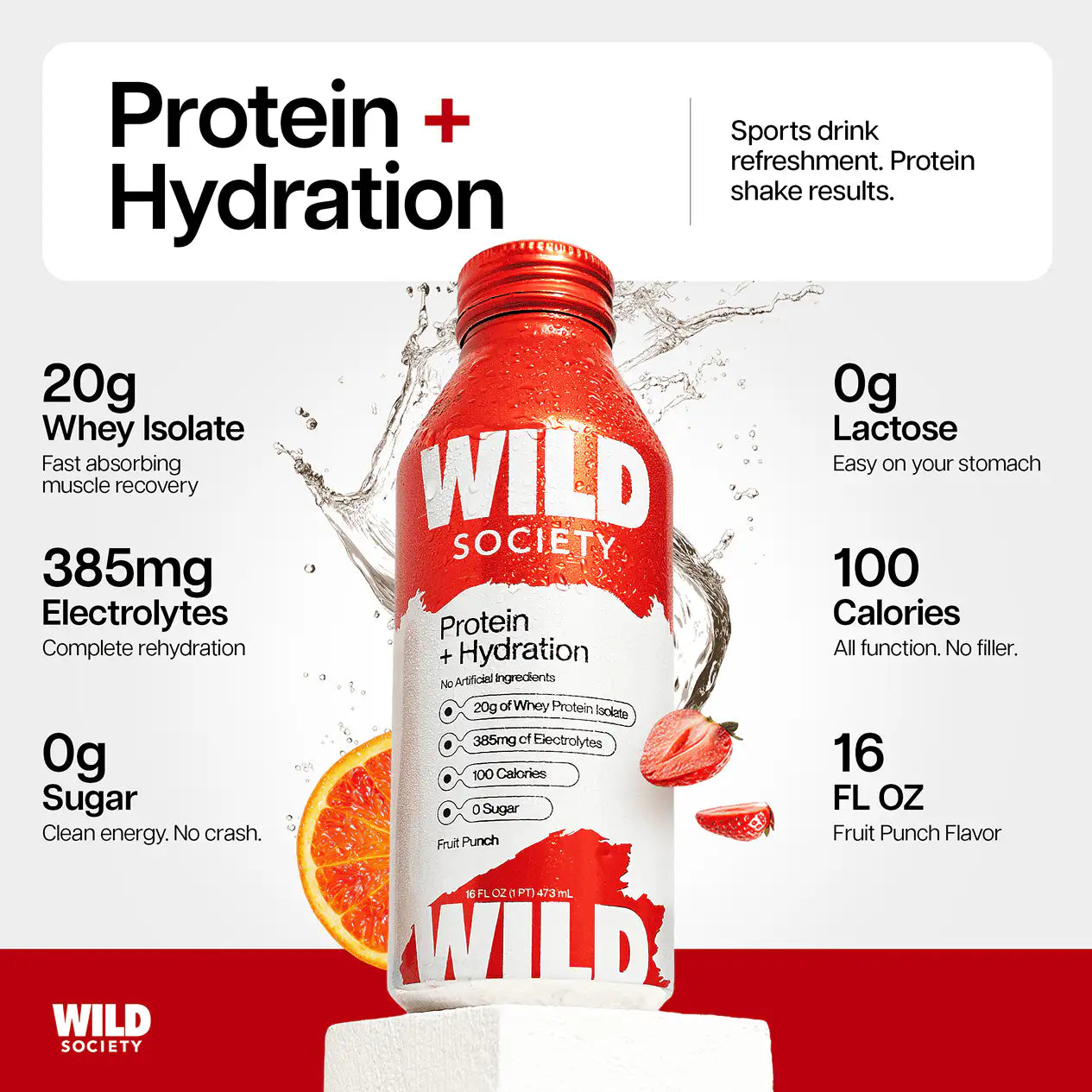
20g protein · 385mg electrolytes · 0g sugar · 100 calories
Best post-workout drink after running
For a short, easy run, water and your next meal are usually enough. As duration, pace, temperature, and sweat loss increase, the priorities shift.
After a long run:
- Replace fluid gradually.
- Include sodium based on sweat loss and conditions.
- Replenish carbohydrate, especially if training again soon.
- Include protein in a drink, snack, or meal.
A sports drink can cover the first three items during or after the run. Protein can come from food, a shake, or protein water afterward.
Best post-workout drink after cycling
Cycling sessions range from short indoor rides to all-day endurance events. Water may cover the former; the latter often requires planned carbohydrate and sodium during the ride, followed by continued fluid, fuel, and protein.
When appetite is low, liquids can be easier to consume. A carbohydrate-electrolyte drink plus a clear protein beverage or protein-containing meal can divide the recovery tasks without creating one overly heavy shake.
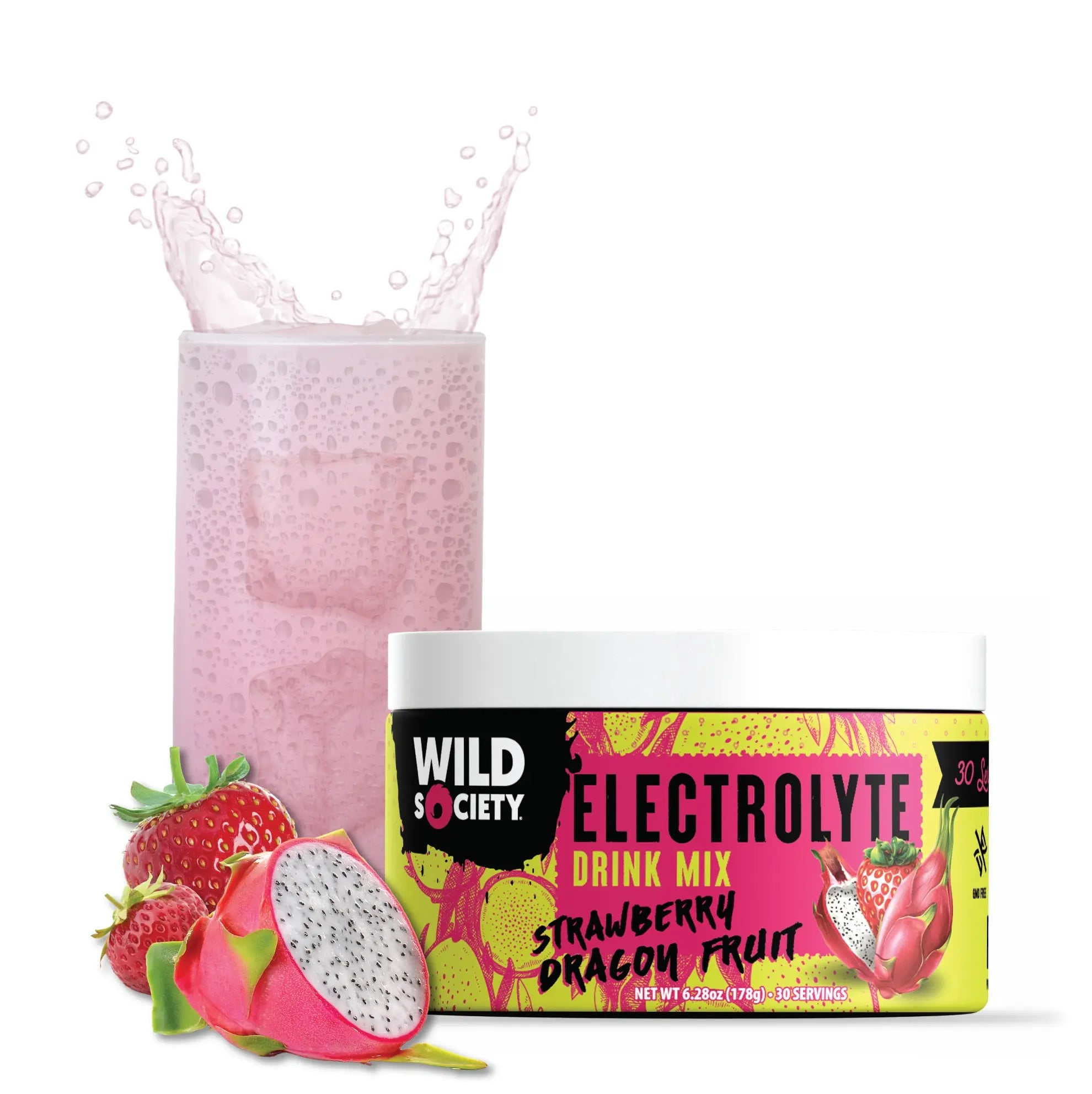
Electrolyte drink mix with magnesium glycinate
Best post-workout drink for hot weather
Prioritize fluid and sodium in proportion to sweat loss. A cold drink you enjoy can make rehydration easier, but do not use flavor as a substitute for checking the label.
For a shorter hot workout, water with electrolytes may be enough. After a long event, add carbohydrate. If your next meal is delayed, add protein separately or choose a protein-electrolyte drink and pair it with a carbohydrate source.
Best post-workout drink for weight-management goals
A post-workout drink should fit total energy intake. Water has no calories. A protein drink can help meet protein needs and may be filling, while a large smoothie can contain the energy of a meal.
Do not automatically avoid carbohydrate after exercise. Choose an amount that fits the workout and the full day. A zero-sugar protein water may be a practical option after routine strength training, but it is not a weight-loss product and should not replace balanced meals.
How soon should you drink after a workout?
Begin replacing significant fluid losses soon after exercise, especially if heat or another session is involved. Protein timing is more flexible than the old idea of a tiny post-workout window. Total daily protein and distribution are central.
The NIH Office of Dietary Supplements summarizes guidance that places a high-quality protein serving in the zero-to-two-hour period after training and then at regular intervals. If you ate a protein-rich meal before exercise and will eat again soon, urgency is lower.
Carbohydrate timing matters more when recovery time is short. Athletes training once a day with ordinary meals have more flexibility than competitors facing another event in a few hours.
How to read a post-workout drink label
Protein
Look for a clearly named complete source and a meaningful amount per serving. Confirm whether the bottle contains one or multiple servings.
Sodium
Check milligrams, not just the word “electrolytes.” Your needs depend on sweat loss, food intake, and health status.
Carbohydrate and sugar
Carbohydrate can be useful fuel after long exercise. For a routine workout, you may prefer to get it from food. “Zero sugar” is a feature, not proof of a better recovery drink.
Caffeine and extras
Some drinks add caffeine, herbs, or high doses of vitamins. Late-day caffeine can disrupt sleep, which is a core part of recovery. Prefer transparent amounts over proprietary blends.
Allergens and tolerance
Clear whey is still milk-derived. Check lactose claims, milk allergens, sweeteners, acidity, and any ingredients you know you do not tolerate.
Calculate your recovery needs instead of copying a bottle plan
Recovery is easier to plan when fluid, protein, carbohydrate, and sodium are considered separately. A bottle can then be selected because it fills one or more measured gaps, not because its front label says recovery.
Step 1: estimate fluid loss
Weigh before and after a representative long or hot session. Add the fluid consumed and subtract urine produced. A one-pound drop plus 20 ounces consumed suggests roughly 36 ounces of sweat loss. Use several sessions before treating the result as a pattern.
Replace fluid gradually rather than trying to erase the entire deficit at once. The next meal and normal drinking also contribute. Avoid forcing large volumes beyond thirst and measured need.
Step 2: identify the protein gap
Use total daily protein and surrounding meals. A common post-exercise reference is about 0.3 gram of high-quality protein per kilogram. That is about 20 grams for a 150-pound adult and 27 grams for a 200-pound adult.
If dinner supplies 35 grams of complete protein within an hour, a separate 25-gram drink may be redundant. If the next meal is four hours away, the same drink can be useful.
Step 3: judge carbohydrate urgency
Carbohydrate matters most when the session is long, glycogen use is high, or another demanding effort is close. Someone lifting once and eating dinner has more flexibility than a cyclist racing again later that day.
Step 4: decide whether sodium is needed
Sodium deserves more attention after long, hot, or high-sweat exercise. Review actual milligrams on the label. Food can provide sodium too, so the drink and recovery meal should be considered together.
A recovery timeline that changes with the next session
More than 24 hours before the next hard workout
There is usually time to recover through normal meals and fluids. Use a specialized drink for convenience or appetite, not because recovery must happen in a few minutes.
Eight to 24 hours before the next hard workout
Begin rehydrating, eat balanced meals, and distribute protein. Carbohydrate should match the volume and intensity of training. A drink can help, but the full day remains the main recovery window.
Less than eight hours before the next hard workout
Fast recovery becomes more important. Replace meaningful fluid and sodium losses, prioritize carbohydrate, and include high-quality protein. Liquids can be practical when appetite is low or digestion time is limited.
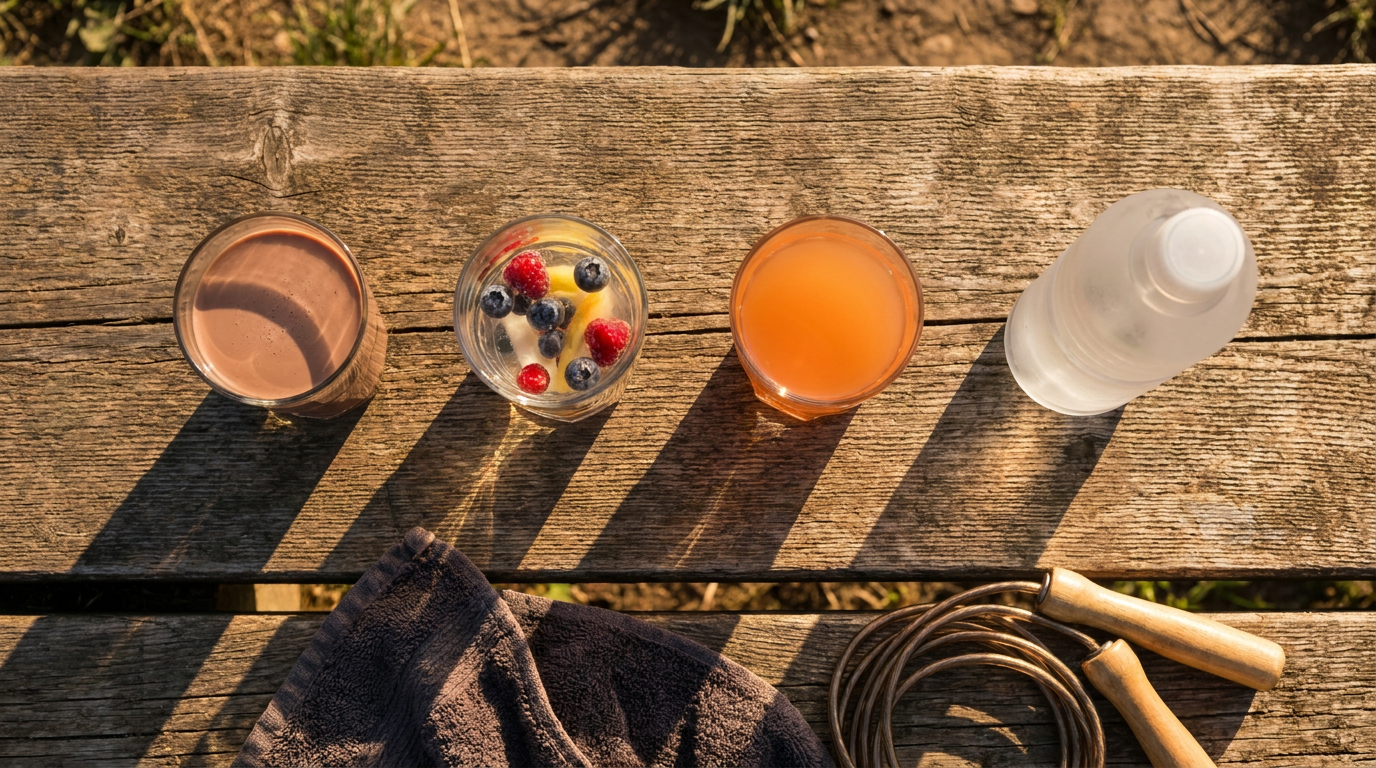
How popular post-workout drinks compare
Plain water
Best for routine hydration after shorter sessions when food is available. It supplies no protein, carbohydrate, or sodium unless paired with a meal.
Protein water
Best for a light complete-protein serving when a creamy drink is unappealing. Some formulas add electrolytes. Zero-sugar versions require a separate carbohydrate source after prolonged exercise.
Traditional sports drink
Best for fluid, sodium, and carbohydrate during or after long exercise. It generally does not provide enough protein for muscle recovery by itself.
Milk or chocolate milk
Provides fluid, complete protein, carbohydrate, sodium, and potassium. Chocolate milk can be useful after demanding sessions but may not fit dairy allergies, lactose intolerance, refrigeration limits, or lower-calorie goals.
Smoothie
Can combine protein, carbohydrate, fruit, and energy in one meal-like drink. Quality depends on ingredients and portion size. A commercial smoothie can contain large amounts of added sugar while still providing too little protein.
Electrolyte water
Useful when fluid and minerals are needed without carbohydrate. It does not solve a protein or fuel gap.
Fruit juice
Provides fluid and carbohydrate but little protein and often limited sodium. It can be one component of recovery, especially when paired with a protein source.
Coffee or energy drink
Provides caffeine and fluid but is not a complete recovery drink. Added caffeine late in the day can harm sleep, which may undermine recovery more than a specialty ingredient helps.
Build a drink-and-food recovery pair
A drink does not have to do everything. Combining a simple beverage with food often creates a more complete and satisfying recovery plan.
- Water plus Greek yogurt, fruit, and salted cereal
- Protein water plus a banana and pretzels
- Sports drink plus a turkey sandwich
- Electrolyte water plus rice, eggs, and vegetables
- Milk plus oats and fruit
- Protein water plus a couple of ounces of jerky (see our high-protein beef jerky guide)
Choose portions according to body size, appetite, training load, and time until the next meal. These are examples, not universal prescriptions.
Best drink when appetite is low
Heat, hard intervals, and endurance events can temporarily suppress appetite. Start with a drink that is easy to tolerate, then add solid food as appetite returns. A clear protein drink may be easier than a thick shake, while a carbohydrate-electrolyte drink can be useful when immediate fuel is the priority.
Do not let low appetite turn into chronically inadequate recovery. Athletes who repeatedly struggle to eat enough may need a planned liquid meal, smaller frequent snacks, or support from a sports dietitian.
Gastrointestinal tolerance is part of performance
A nutritionally ideal drink is not useful if it causes nausea, cramping, reflux, or diarrhea. Concentration, temperature, sweetness, acidity, fiber, fat, and drinking speed all influence tolerance.
Reduce common drink-related problems
- Test new products during ordinary training, not on race day
- Follow the recommended water volume instead of overconcentrating powder
- Sip at a comfortable pace instead of chugging a large serving
- Avoid combining several unfamiliar powders at once
- Review sugar alcohols, caffeine, and acidic ingredients
Persistent symptoms deserve professional evaluation rather than repeated product switching.
Sleep may matter more than the perfect recovery drink
Recovery includes sleep, total energy, training design, and stress management. A caffeinated late-night formula can work against recovery if it delays sleep or reduces sleep quality.
Check caffeine from pre-workout, coffee, tea, energy drinks, and recovery products together. A non-caffeinated protein or electrolyte drink is often the cleaner evening option.
Recovery-drink label red flags
- A proprietary blend that hides ingredient amounts
- A huge electrolyte claim without individual mineral values
- A protein number that applies to more than one serving
- Exact recovery-speed promises without finished-product research
- Large stimulant doses in a product meant for evening use
- A long ingredient list that adds no clear value for the workout
A strong label makes it easy to calculate what the bottle contributes. Transparency is more useful than a long list of performance words.
Special considerations for common health goals
Muscle gain
Use enough protein and total energy. A creamy smoothie may help with calories, while clear protein can keep protein intake high when appetite for heavy drinks is low.
Weight management
Compare the prepared serving and the complete day. Water has no calories, protein can support fullness, and large smoothies can function as meals. Do not add a recovery drink automatically on top of adequate food.
Blood-sugar management
Carbohydrate needs and medication timing require individual guidance. Sugar-free is not automatically best for exercise, and a conventional sports drink can be medically relevant during some activities. Work with a qualified clinician.
High blood pressure or kidney concerns
Sodium, potassium, protein, and fluid recommendations can differ substantially. Generic athlete advice may be inappropriate. Follow the plan provided by the treating clinician or dietitian.
A final pre-purchase test
- Name the specific recovery gap the drink will fill
- Confirm protein, sodium, and carbohydrate per complete serving
- Check allergens, sweeteners, caffeine, and serving count
- Compare cost with a food-based alternative
- Decide whether the drink works with the next meal
- Choose a flavor and format you can tolerate consistently
If the product cannot pass this test, it is unlikely to be the best post-workout drink for that person, regardless of how many recovery claims appear on the label.
20g protein · 385mg electrolytes · 0g sugar · 100 calories
What to do when recovery priorities conflict
Sometimes the lowest-calorie drink is not the best performance choice, and the most complete drink is not the easiest to tolerate. Rank the immediate priorities instead of searching for a perfect label.
- Dehydrated and overheated: prioritize cooling, fluid, and appropriate sodium
- Competing again soon: prioritize fluid, sodium, and carbohydrate, then include protein
- Finished lifting with no meal available: prioritize a complete protein serving and fluid
- Finished a short easy session: choose water and normal food
Calories, sugar, and convenience should be judged after the performance and safety needs are clear. A sugar-free drink can be useful for one session and incomplete for another.
Use a three-part recovery plate
Think of the drink as one part of a recovery plate. Add a protein source, a carbohydrate source, and fluid with sodium according to the session. A single item can cover more than one part, but no marketing term guarantees all three.
For example, protein water covers fluid and protein. Fruit and pretzels can add carbohydrate and sodium. A sports drink covers fluid, carbohydrate, and sodium, while a sandwich can add protein. This modular approach makes the plan easier to adapt across different workouts.
How to tell whether the plan worked
Track practical outcomes over several sessions: thirst, body-weight recovery after long workouts, appetite, stomach comfort, next-day energy, and performance in the next planned workout. One unusually good or bad day is not enough to judge a product.
Persistent fatigue, declining performance, repeated dizziness, unexplained weight change, or ongoing digestive symptoms deserve professional attention. A different drink cannot correct inadequate energy intake, excessive training load, illness, or poor sleep.
Recovery continues after the first drink
The first beverage starts recovery but does not finish it. Continue drinking normally, eat balanced meals, and monitor how body weight, thirst, urine color, appetite, and energy change over the next several hours. Avoid using one marker by itself as a diagnosis of hydration status.
Protein distribution across later meals remains important, and carbohydrate needs can extend beyond the immediate post-workout period after a demanding event. Sodium and fluid can also come from meals, soups, dairy foods, and ordinary beverages.
If the next workout consistently feels worse despite a thoughtful recovery plan, examine total calorie intake, sleep, training load, illness, and stress before assuming the drink needs another ingredient.
Wild Society Protein + Hydration RTD lists 20 grams of protein, 385 milligrams of electrolytes, zero grams of sugar, and zero grams of lactose per 16-ounce bottle. It can be a convenient choice after strength or mixed training when your next meal is delayed.
The powdered Clear Whey Isolate with Electrolytes also provides 20 grams of protein per serving and lets you choose 16 to 24 ounces of water. Neither option contains the carbohydrate needed for rapid refueling after prolonged endurance work, so pair it with food when appropriate.
The bottom line
There is no universal best post-workout drink. Water wins for many short, ordinary sessions. Electrolytes become more important with heat and high sweat loss. Carbohydrate matters after prolonged work or when recovery time is short. Protein helps when your next protein-rich meal is not close.
Choose the simplest drink that covers the actual gap. Then let a balanced meal, enough total fluid, and sleep complete the recovery plan.
Frequently asked questions
What should I drink immediately after a workout?
Start with fluid based on thirst and sweat loss. Add electrolytes after meaningful sweating, carbohydrate after prolonged exercise, and protein if your next meal is delayed.
Is a protein drink better than water after exercise?
Only when protein is a need that water cannot meet. Water is sufficient for hydration after many workouts, while protein should come from a drink or food.
Are zero-sugar drinks good after a workout?
They can be when you need fluid, electrolytes, or protein without carbohydrate. They are less complete after long endurance exercise when rapid glycogen replacement matters.
Can coffee be a post-workout drink?
Coffee contributes fluid and caffeine but does not provide meaningful protein, electrolytes, or carbohydrate unless ingredients are added. Consider timing because late caffeine may impair sleep.
Do I need a recovery drink if I eat right after training?
Often no. A balanced meal with fluid, protein, carbohydrate, and some sodium can cover recovery. Drinks are most useful for convenience, appetite, or rapid recovery between sessions.
Sources
This article is for general informational purposes and isn't medical advice.