
Clear Whey vs Regular Whey Protein: Which Is Better for You?
Compare clear whey and regular whey protein by nutrition, texture, ingredients, use, and price so you can choose the format that fits you.

Most snacks fail you the same way: a quick hit of refined carbs, a blood sugar spike, and hunger again 45 minutes later. High protein snacks solve that problem at the source. Protein digests slowly, blunts the hunger hormone ghrelin, and keeps you satisfied for hours instead of minutes, which is why the snack drawer is one of the highest-leverage places to upgrade your nutrition.
The catch is that most foods marketed as high protein snacks are not. A granola bar with 6 g of protein and 24 g of sugar is a candy bar with better branding. In this guide, we set a real standard: a snack worth calling high protein should deliver at least 10 g of protein, and ideally you should be able to build it up to 20-30 g, the range research supports for meaningful appetite control and muscle protein synthesis.
Below you will find the full toolkit:
No fluff, no 40-item listicle padded with almonds counted four different ways. Just snacks that earn their place.
A high-protein snack is one that delivers at least 10 g of protein per serving, with protein contributing a meaningful share of total calories rather than riding along behind sugar and refined starch. For active people, the practical target is a snack you can build to 20-30 g of protein, which is roughly the amount needed to maximally stimulate muscle protein synthesis in a single sitting for most adults.
Two numbers matter when you evaluate any snack:
For context, the Recommended Dietary Allowance for protein is 0.8 g per kilogram of body weight per day, but that is a floor to prevent deficiency, not a target for performance. Position stands summarized by the NIH Office of Dietary Supplements note that people who train regularly benefit from substantially more, commonly in the range of 1.2 to 2.0 g per kilogram daily. If you weigh 180 pounds and lift three or four times a week, that can mean 100-160 g of protein per day. Three meals alone rarely get you there. Two well-built snacks close the gap.
One more principle before the list: whole-food protein sources bring more than protein. Eggs carry choline, dairy carries calcium and leucine, and beef carries iron, zinc, and B12. Protein-fortified processed snacks have their place for convenience, but the backbone of your rotation should be foods that were high in protein before a marketing team got involved.
This is the master list, ranked by protein per typical serving. Protein figures are standard values consistent with USDA FoodData Central; exact numbers vary slightly by brand and preparation.
The single highest-protein everyday snack is plain nonfat Greek yogurt: a 200 g (7 oz) container delivers about 20 g of protein for roughly 120 calories. Beef jerky is the strongest shelf-stable option at about 9-10 g of protein per ounce, and canned tuna tops the list per serving with 20-25 g per can. If you want maximum protein with minimum effort, those three cover cold, portable, and pantry.
Here is the full top 10, ranked by protein per realistic serving:
| Rank | Snack | Serving | Protein | Calories |
|---|---|---|---|---|
| 1 | Canned tuna (in water) | 1 can (about 4.5 oz drained) | 20-25 g | 100-130 |
| 2 | Plain nonfat Greek yogurt | 200 g container | 20 g | 120 |
| 3 | Low-fat cottage cheese | 1 cup | 24 g | 180 |
| 4 | Beef jerky | 2 oz | 18-20 g | 160-230 |
| 5 | Grilled chicken breast (leftover or pre-cooked) | 3 oz | 26 g | 140 |
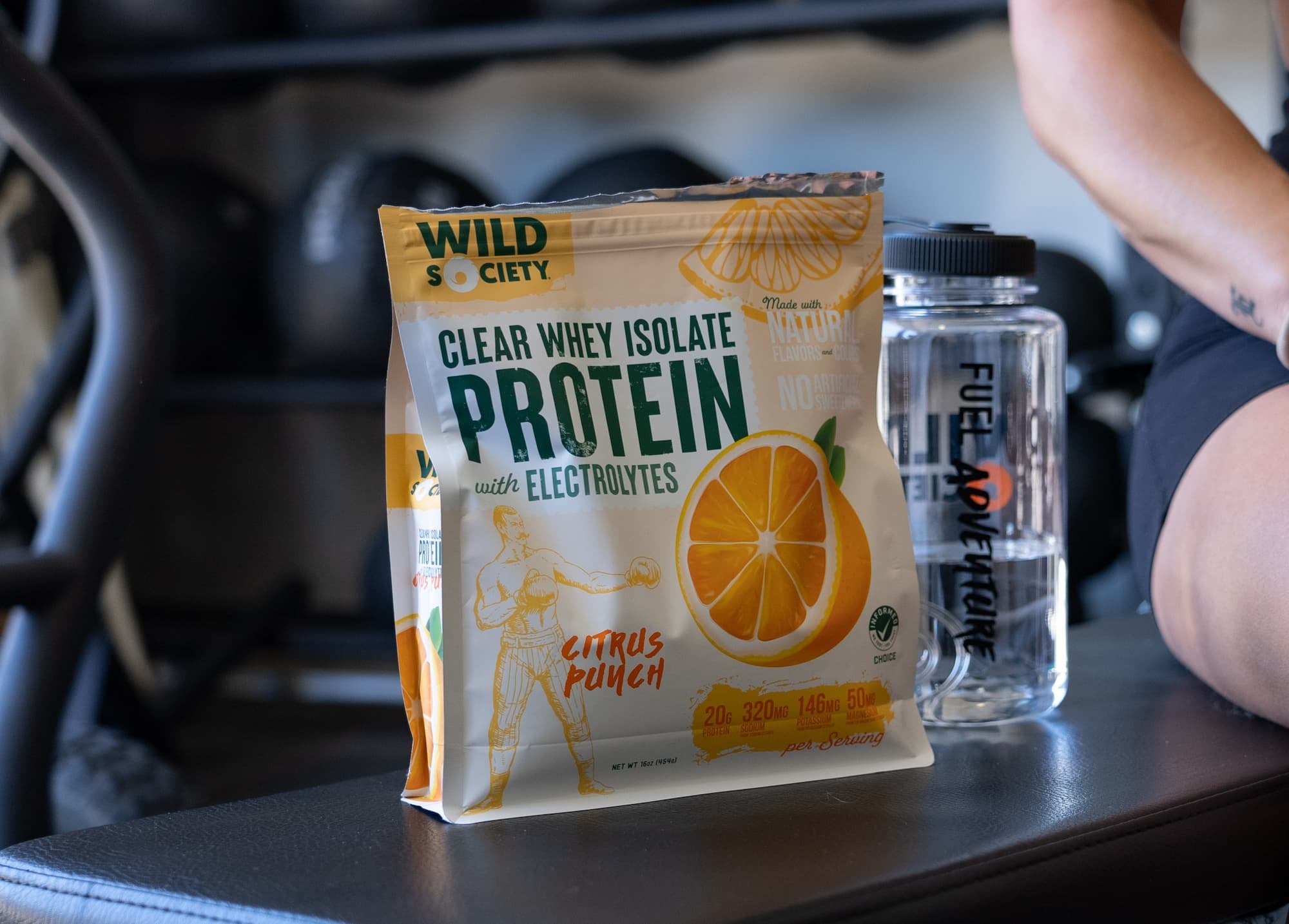
| 6 | Protein shake (whey, 1 scoop) | 1 scoop in water | 20-25 g | 110-130 |
| 7 | Hard-boiled eggs | 3 eggs | 18 g | 210 |
| 8 | Icelandic skyr | 170 g container | 17-19 g | 110-130 |
| 9 | Edamame | 1 cup shelled | 18 g | 190 |
| 10 | String cheese | 2 sticks | 14 g | 160 |
A few notes on reading this table honestly:
If you want the shortest possible answer to memorize: canned tuna, Greek yogurt, cottage cheese, beef jerky, pre-cooked chicken, a whey shake, hard-boiled eggs, skyr, edamame, and string cheese. Every one of them delivers 14 g of protein or more per serving, and between them they cover every situation: desk drawer, gym bag, fridge, and car.
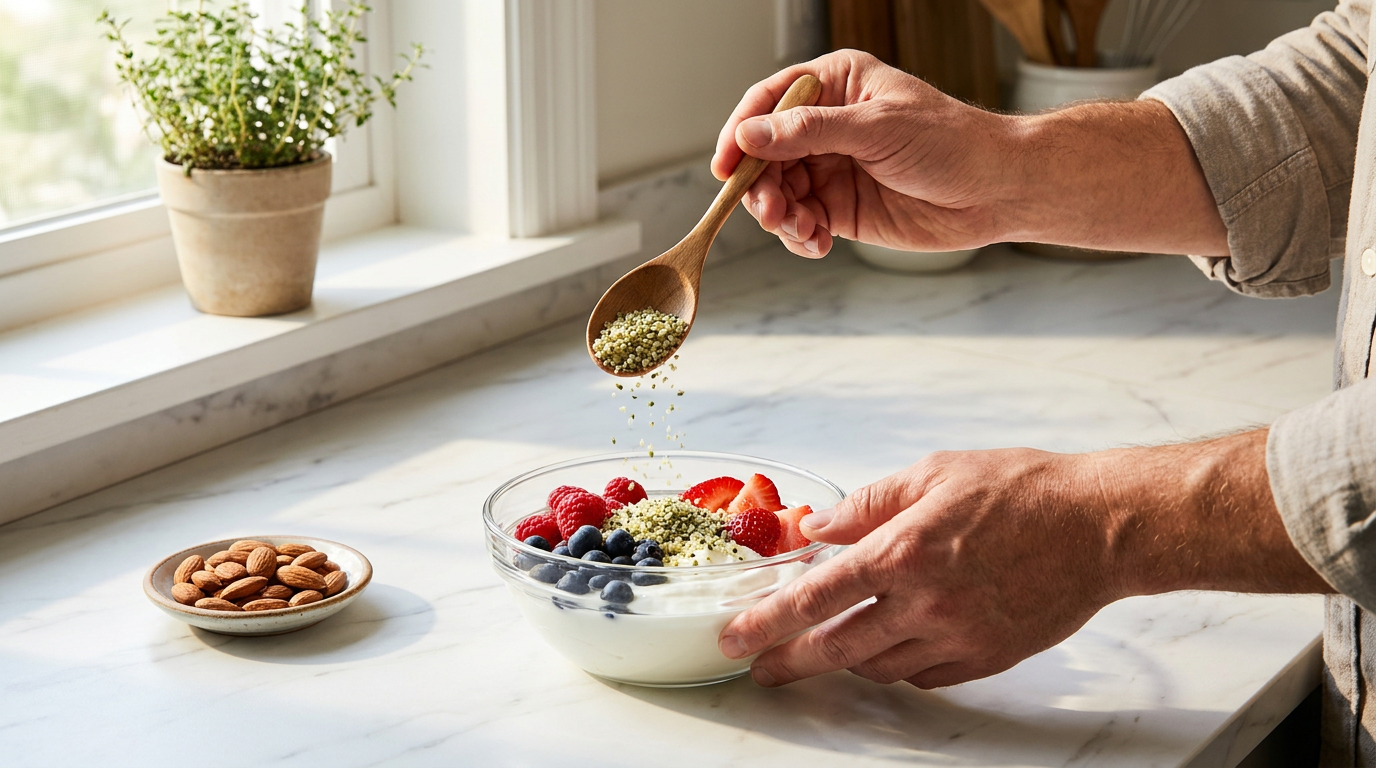
If your goal is weight loss or a cutting phase, protein efficiency matters more than absolute protein. You want the most grams of protein for the fewest calories, because protein is doing double duty: preserving lean mass while you are in a deficit and keeping you full enough to actually stay in that deficit. According to the Harvard T.H. Chan School of Public Health, protein is the most satiating macronutrient, which is exactly what you want when calories are capped.
The best high-protein, low-calorie snacks share a profile: lean protein, minimal added fat, and little or no added sugar.
Two traps to avoid in this category:
Building muscle changes the math. You are no longer trying to minimize calories; you are trying to hit a high daily protein total, distribute it across the day, and land 20-40 g of protein in the window around training. Research summarized by the NIH Office of Dietary Supplements supports spreading protein intake across meals and snacks rather than backloading it all at dinner, because muscle protein synthesis responds to each feeding.
For muscle gain, prioritize snacks that hit three marks: at least 20 g of protein, complete amino acid profiles (all nine essential amino acids), and enough leucine (roughly 2-3 g) to trigger muscle protein synthesis. Animal proteins and whey clear all three easily.
The strongest picks:
Timing guidance, kept honest: the "anabolic window" is wider than the supplement industry once claimed. Total daily protein matters most, and a protein feeding within a couple of hours of training is sufficient for almost everyone. The practical takeaway is simpler: keep a portable 20 g option in your gym bag so the post-workout snack happens by default instead of by willpower.
95g protein per 5oz bag · about 19g per ounce · two ingredients
Most snack failures are arithmetic failures. A single string cheese (7 g) or a handful of almonds (6 g) leaves you 15-20 g short of the target, so you stay hungry and eat again anyway. The fix is a formula, not a bigger list.
The base + booster formula: start with one base of 15-20 g of protein, then add one booster of 5-12 g. One base plus one booster lands you in the 20-30 g range every time.
Bases (15-25 g each):
Boosters (5-12 g each):
Twenty grams needs only a single well-chosen base: one 200 g container of plain Greek yogurt, one can of tuna, 2 oz of beef jerky, or one scoop of whey each gets you there alone. If you prefer smaller components, stack two mid-size items, like half a cup of cottage cheese plus two hard-boiled eggs (about 24 g combined) or two string cheeses plus an ounce of jerky (about 23 g).
Thirty grams is one base plus one or two boosters. Working combinations:
Notice what is not on these lists: no cooking, no recipes, no more than 90 seconds of assembly. The formula works precisely because it survives a busy day.
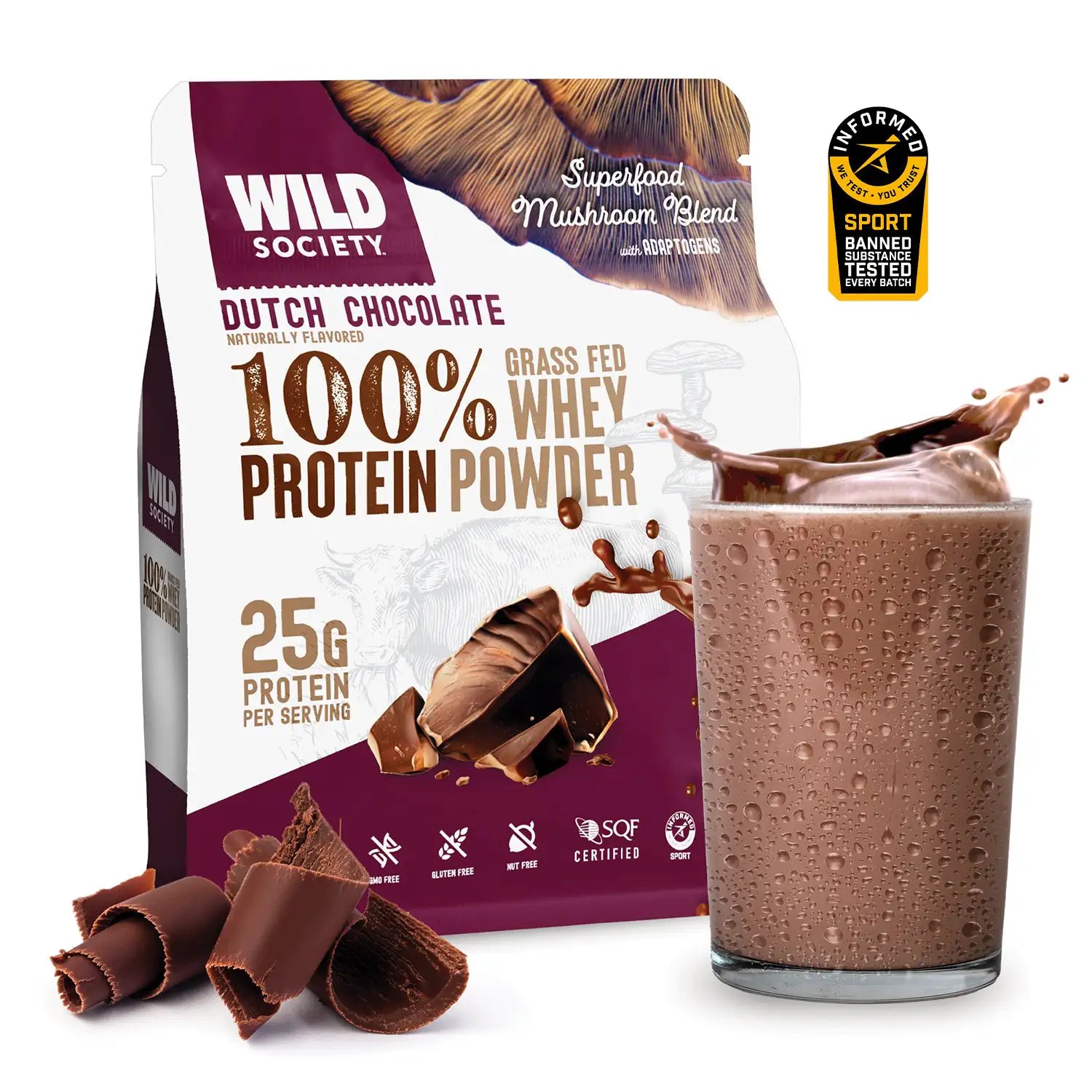
25g protein per serving
Absolute protein tells you half the story. Efficiency, protein per 100 calories, tells you the other half, and it is the number that separates genuinely great snacks from decent ones. None of the major ranking articles publish this comparison, so we built it. Values are calculated from standard USDA-style serving data and rounded to one decimal.
On-the-go snacks (no refrigeration needed)
| Snack | Protein per serving | Calories | Protein per 100 cal |
|---|---|---|---|
| Tuna pouch in water | 20 g | 90 | 22.2 g |
| Protein + Hydration RTD | 20 g | 100 | 20.0 g |
| Lean beef jerky (2 oz) | 19 g | 160 | 11.9 g |
| Roasted edamame (1 oz) | 12 g | 130 | 9.2 g |
| Protein bar (typical) | 15 g | 230 | 6.5 g |
| Roasted chickpeas (1 oz) | 6 g | 120 | 5.0 g |
| Peanuts (1 oz) | 7 g | 160 | 4.4 g |
| Almonds (1 oz) | 6 g | 164 | 3.7 g |
| Trail mix (1/4 cup) | 5 g | 175 | 2.9 g |
At-home snacks (fridge or quick prep)
| Snack | Protein per serving | Calories | Protein per 100 cal |
|---|---|---|---|
| Shrimp, cooked (3 oz) | 19 g | 85 | 22.4 g |
| Egg whites (3) | 11 g | 51 | 21.6 g |
| Chicken breast (3 oz) | 26 g | 140 | 18.6 g |
| Plain nonfat Greek yogurt (200 g) | 20 g | 120 | 16.7 g |
| Skyr (170 g) | 18 g | 120 | 15.0 g |
| Low-fat cottage cheese (1 cup) | 24 g | 180 | 13.3 g |
| Edamame, shelled (1 cup) | 18 g | 190 | 9.5 g |
| String cheese (2) | 14 g | 160 | 8.8 g |
| Hard-boiled eggs (3) | 18 g | 210 | 8.6 g |
| Hummus + veggies | 5 g | 150 | 3.3 g |
How to use this table:
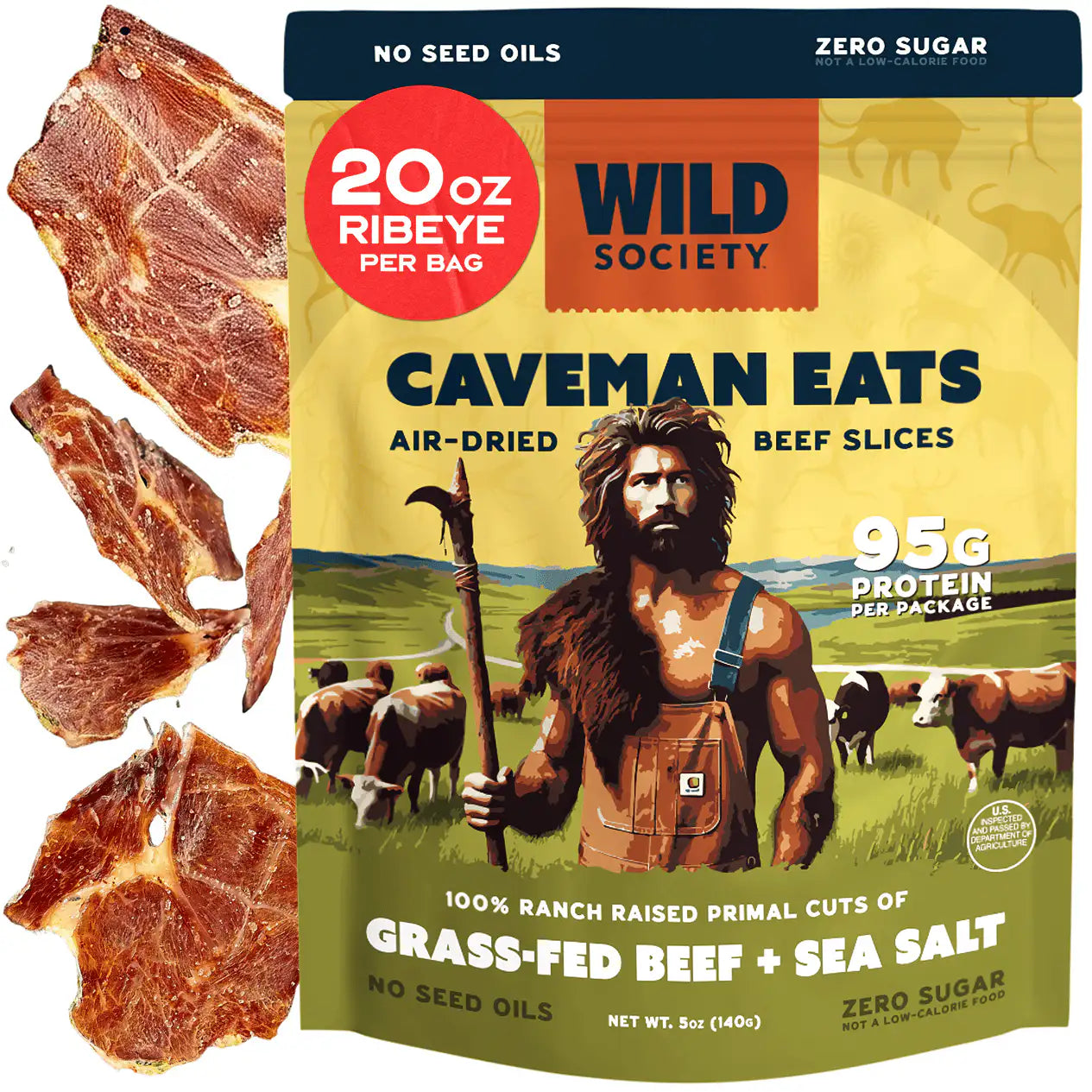
The on-the-go column also explains why jerky is the workhorse of portable protein: among shelf-stable whole foods, nothing else combines double-digit efficiency, zero prep, and 18+ g per serving. If you want single-ingredient portability with nothing added, whole-muscle options like Wild Society's Caveman Eats Primal Beef Cuts deliver roughly double the protein of mainstream gas-station jerky, about 19 g per ounce versus the typical 9 to 10 g, with a two-ingredient label.
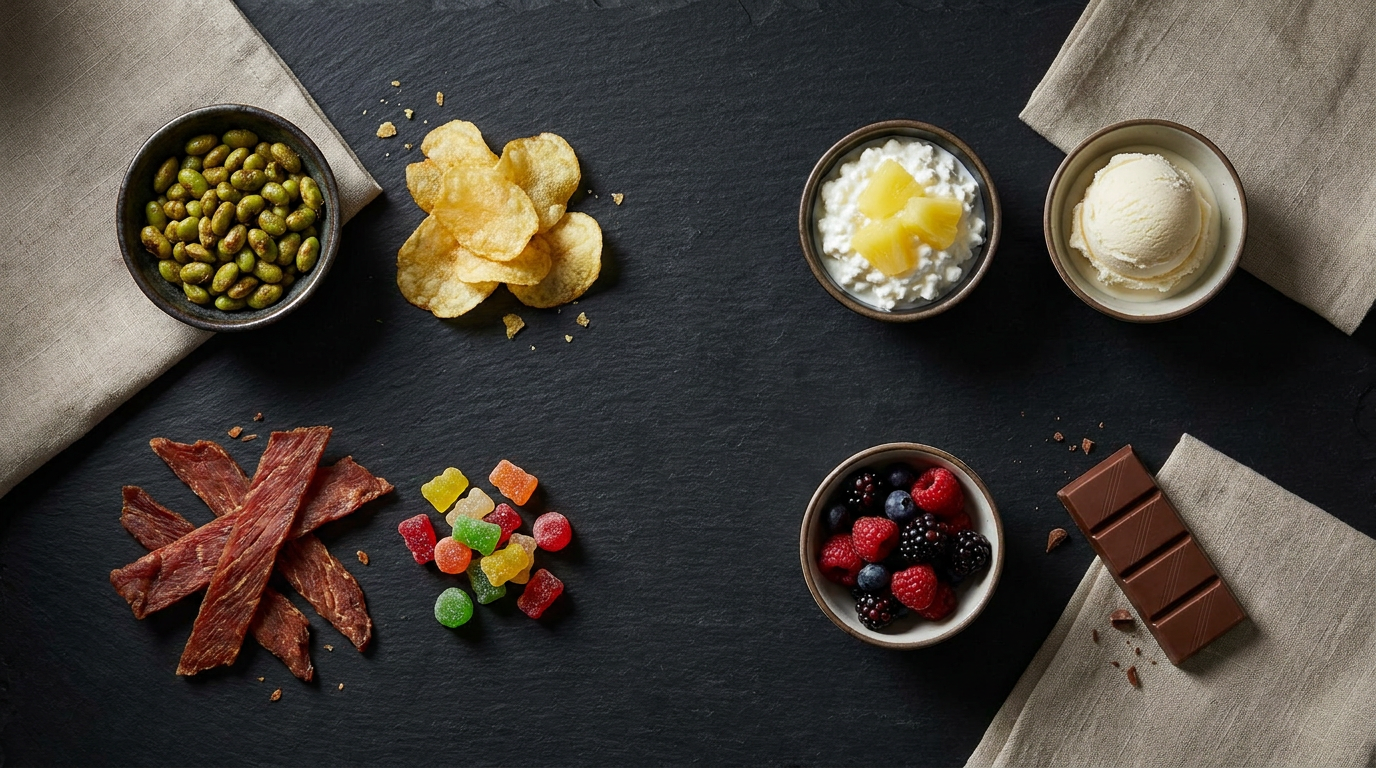
Cravings do not respond to lectures. The sustainable move is not eliminating the snack you want; it is swapping it for a version that scratches the same itch while pulling its weight nutritionally.
By junk food standards, the highest-protein options are beef jerky and meat sticks (up to 9-10 g per ounce), pork rinds (about 17 g per ounce, since they are essentially fried protein), and protein-fortified versions of chips, popcorn, and cereal that run 10-20 g per serving. Regular pizza also carries 10-12 g of protein per slice, though it comes bundled with a lot of refined carbs. None of these are health foods, but as cravings go, they beat their zero-protein equivalents decisively.
The full swap table:
| When you crave | Swap in | Protein gain |
|---|---|---|
| Potato chips | Pork rinds or protein chips | 0 g → 13-17 g per oz |
| Candy or gummies | Beef jerky (teriyaki or peppered) | 0 g → 9-10 g per oz |
| Ice cream | Greek yogurt with frozen berries and honey | 4 g → 20 g per bowl |
| Milkshake | Whey shake blended with frozen banana | 8 g → 25 g |
| Cheese puffs | String cheese or crispy cheese rounds | 2 g → 7-10 g |
| Buttered popcorn | Protein popcorn or popcorn plus a meat stick | 3 g → 12-15 g |
| Cookies | Protein bar with more protein than sugar | 2 g → 15-20 g |
| Nachos | Tortilla chips with seasoned ground beef and cheese | 4 g → 18 g per plate |
Two honest caveats:
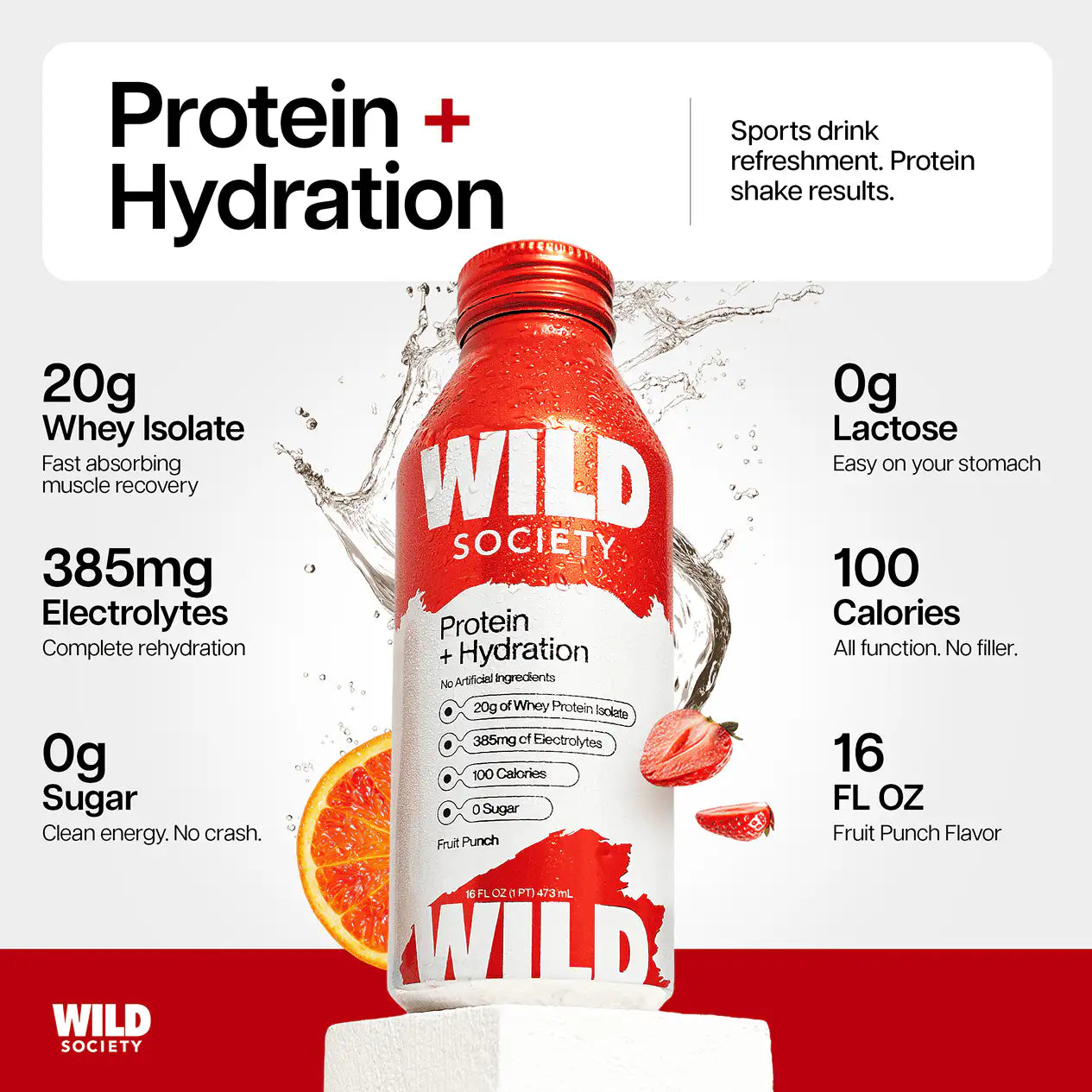
20g protein · 385mg electrolytes · 0g sugar · 100 calories
Everything above works straight from a package or a fridge drawer. These five recipes are for the days you have ten minutes and want something better. Each delivers at least 20 g of protein.
Batch-prep principle: the recipe you make once is a novelty; the recipe you make every Sunday is a system. Pick one, repeat it for a month, and your average week gains 100+ g of protein with no extra decisions.
Every list in this article assumes you sometimes have a fridge. This section assumes you do not: road trips, flights, job sites, hiking, a desk with no break room, or a teenager's backpack. Shelf-stable protein is a smaller category than it looks, because most cold-case heroes (yogurt, cottage cheese, eggs, shrimp) drop out immediately.
What survives at room temperature and still clears the protein bar:
Heat is the one variable people forget. Chocolate-coated bars melt in a car in summer, and opened RTDs need to be finished, not saved. Jerky, pouched fish, and roasted legumes are indifferent to a hot glovebox, which makes them the default for anything involving a vehicle.
If you are stocking up rather than grabbing one item, the shortest shopping list that covers a full week of portable snacking: one large bag of jerky or beef cuts, five tuna pouches, five RTDs, and one bag of roasted edamame. Roughly 35 servings of 12-25 g protein, zero refrigeration, one grocery stop.
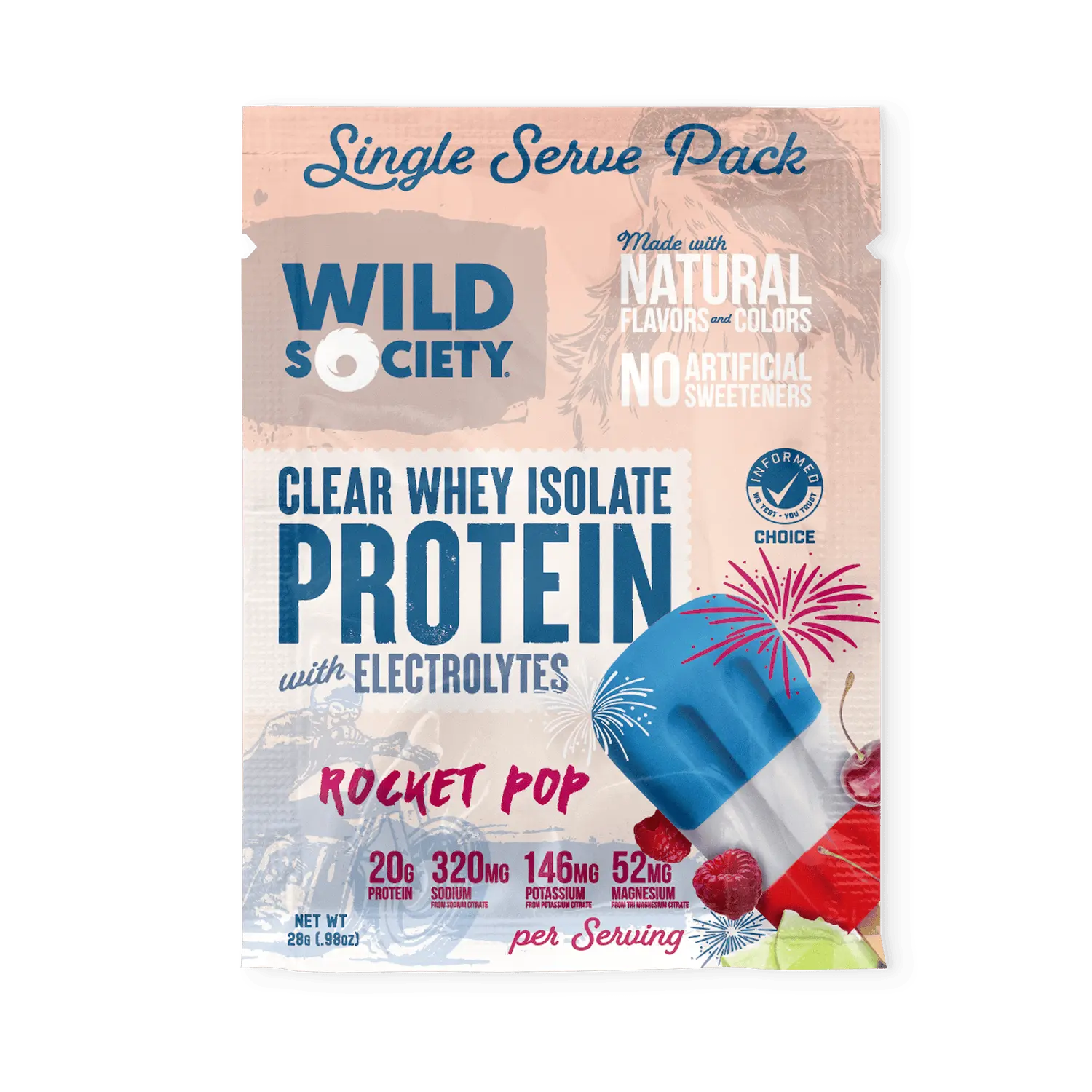
20g protein per single-serve pack
Knowledge is not the bottleneck; logistics are. People do not fail at high-protein snacking because they cannot name a good snack. They fail because at the moment of hunger, the good snack is not within reach and the vending machine is. Build placement, not willpower:
Then apply the two-question filter before anything new earns a slot:
If the answer to both is yes, it belongs in the rotation. If not, it can still be food you enjoy; it just does not get to count as your protein snack.
Of everything on this list, Caveman Eats clears both tests by the widest margin: about 19 g of protein per ounce from a two-ingredient label.
Plain nonfat Greek yogurt leads the refrigerated options at about 20 g of protein per 200 g container, canned tuna leads overall at 20-25 g per can, and beef jerky leads shelf-stable snacks at 9-10 g per ounce. Cottage cheese is the sleeper pick: a full cup delivers 24 g, more than three eggs.
Combine one 15-25 g base with one 5-12 g booster. Examples: Greek yogurt plus an ounce of roasted edamame (32 g), a can of tuna plus a hard-boiled egg and string cheese (35 g), or 2 oz of jerky plus two eggs (31 g). A single base almost never reaches 30 g alone, which is why the pairing habit matters.
Canned tuna, plain Greek yogurt, cottage cheese, beef jerky, pre-cooked chicken breast, a whey protein shake, hard-boiled eggs, skyr, edamame, and string cheese. Each delivers at least 14 g of protein per serving, and together they cover pantry, fridge, gym bag, and travel.
Beef jerky and meat sticks (9-10 g per ounce), pork rinds (about 17 g per ounce, though incomplete protein), protein-fortified chips and popcorn (10-20 g per serving), and pizza (10-12 g per slice) top the list. Jerky is the standout because it is the one option that is both genuinely high in complete protein and available at nearly every checkout counter.
High protein snacks are the simplest lever most people have for staying full, protecting muscle, and hitting a daily protein target that three meals alone will not reach. The playbook fits in four lines:
Start with one change this week: replace your single weakest snack with any base from the list above. That one swap, repeated daily, adds roughly 140 g of protein to your week without a single cooking session. And if shelf-stable protein is the gap in your rotation, start with the category that does it best: read our guide to choosing a genuinely high-protein beef jerky before your next grocery run, and you will never buy sugar in a jerky costume again.
This article is for general informational purposes and isn't medical advice.

Best Sellers
Use this text to share information about your collection with your customers.