
Protein Shakes Without Artificial Sweeteners: How to Read the Label
Find protein shakes without artificial sweeteners by reading the ingredient list. Compare stevia, sucralose, sugars, and WSN Protein + Hydration RTD.

Choose a protein bar when you want a compact, chewable snack; choose a shake when drinkable protein and easy preparation fit the moment better. The protein bar vs shake decision comes down to the whole serving, your appetite, and what else you plan to eat. A bottle of Wild Society Nutrition Protein + Hydration, for example, provides 20g of whey protein isolate in a ready-to-drink format. The Fruit Punch label lists 100 calories per 16 fl oz bottle.
That makes it a straightforward option when you want protein without a blender, shaker, or heavy milkshake texture. A bar can make more sense when pocket space matters or you want something to bite into. Start with the job, then compare the actual labels rather than assuming every bar or every shake is the same.
The most useful question is what you need this food to do. Are you adding protein to breakfast, bridging an afternoon gap, or packing something for after training? Those are different jobs. A food that works perfectly for one may need a companion for another.
Protein bars are solid packaged foods. Protein shakes may mean powder mixed with water, a smoothie made with several ingredients, or a ready-to-drink bottle. Those three drinks can have very different nutrition and preparation requirements. Comparing a small bar with a large smoothie tells you about those servings, not which entire category is better.
Use a whole serving comparison of the bottle and bar, then apply these starting points:
| Your priority | A protein bar | WSN Protein + Hydration |
|---|---|---|
| A chewable snack | Offers a solid-food format; texture varies by product | Drinkable protein; pair with food if you want something to chew |
| No mixing or cleanup | Open the wrapper | Open the ready-to-drink bottle |
| A clear protein amount | Check protein per whole bar | Fruit Punch: 20g whey protein isolate per 16 fl oz bottle |
| A small space in your bag | Usually compact; protect from crushing and heat | Allow room for the bottle and follow storage directions |
| Comparing calories | Read the exact bar label | Fruit Punch: 100 calories per bottle |

Neither texture proves that a snack will hold you until dinner. Start with your own experience: if drinking protein still leaves you wanting lunch, plan lunch. If a dense bar feels unappealing after a sweaty session, a clear drink may be the format you actually use. There is no benefit in buying a theoretically perfect snack that stays untouched in your bag.
For the protein bar vs protein shake comparison, make one distinction immediately: portability and preparation are separate. A powder packet is portable but still needs preparation. A bar and an unopened RTD bottle are both ready to use, although they take up different amounts of space. This keeps the convenience comparison fair.
Fruit Punch: 20g whey protein isolate • 100 calories • 0g sugar • 0g lactose per serving • 16 fl oz bottle • Contains milk
Think about the gap you are trying to cover. If lunch is soon and breakfast was short on protein, a protein drink can fill a specific role without becoming a second meal. If lunch has been delayed for several hours, you may want a more substantial combination with carbohydrates, fat, and something to chew.
The same logic applies to protein bars vs shakes at breakfast. Adding a drink to toast and fruit is different from replacing breakfast with the drink alone. A bar beside yogurt is different from a bar eaten while rushing out the door with nothing else. Evaluate the full eating occasion, not just the item with “protein” on its package.
Try a simple three-part check:
A whole serving comparison puts bottles, bars, and shakes on the same practical footing. Start with the amount you intend to finish. Then write down its protein, calories, carbohydrates, fiber, and added sugar. You can compare a protein shake or bar accurately without treating them as identical foods.
Check the number of servings in the package before doing any arithmetic. A label may describe one whole bar, part of a package, or a measured amount of powder. The FDA's guide to the Nutrition Facts label explains that nutrient amounts refer to the stated serving. The serving size describes a typical amount consumed; it is not an instruction about how much you personally must eat.
For WSN Protein + Hydration in Fruit Punch, one 16 fl oz bottle is the comparison unit. It provides 20g of whey protein isolate, 100 calories, 4g total carbohydrate, 0g dietary fiber, and 0g total and added sugar. Those numbers give you a concrete drink to compare with the actual bar in your hand.

Imagine a hypothetical bar, used only to demonstrate the math, with 20g protein, 220 calories, 24g carbohydrate, 7g fiber, and 4g added sugar per bar. This is not a claim about a particular brand or an average of protein bars.
That example bar and the WSN Fruit Punch bottle both provide 20g protein. Their other numbers differ. If you only need to add that amount of protein, the bottle provides it in fewer calories than this example bar. If you also need a more substantial snack, the bar's additional food energy and fiber may fit the job. Neither conclusion applies to every product in either category.
Compare the complete snack: This is why choosing protein bars or protein shakes by one front-label number can mislead. If you want a food that includes fiber, compare that directly. If you already have a fiber-containing meal and want to add protein, judge the drink in that meal's context. The appropriate choice changes with what is already on your plate.
Divide grams of protein by calories, then multiply by 100 to express protein per 100 calories. The WSN Fruit Punch bottle works out to 20g per 100 calories. The hypothetical bar works out to about 9.1g per 100 calories: 20 divided by 220, multiplied by 100.
That calculation answers a narrow question: how much protein accompanies a given amount of food energy? It does not measure taste, fiber, fullness, affordability, or whether the item makes a satisfying lunch. Avoid turning one useful calculation into a universal nutrition score.
Use it when comparing protein options for the same role. For example, if your breakfast already includes the food you want and you are choosing an additional protein source, protein per calorie may help. If you are packing your only substantial snack before a long afternoon, total food energy and the rest of the ingredients deserve equal attention.
Fruit Punch: 20g whey protein isolate • 100 calories • 0g sugar • 0g lactose per serving • 16 fl oz bottle • Contains milk
Powder nutrition and finished-shake nutrition are different calculations. Water adds no protein or calories, but milk, yogurt, fruit, oats, and nut butter change the total. A scoop mixed with water should not be compared with a scoop blended into a large smoothie as though they were the same serving.
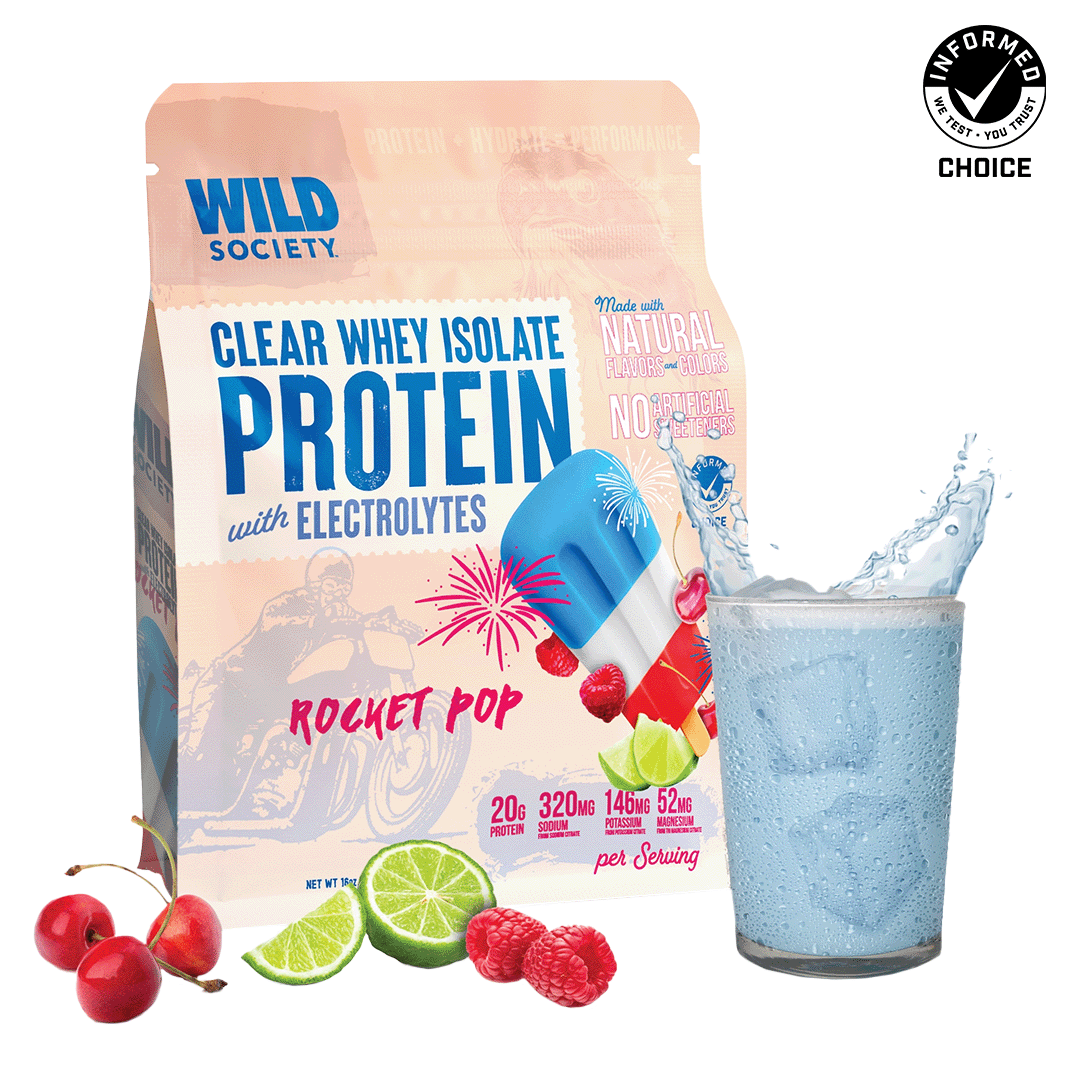
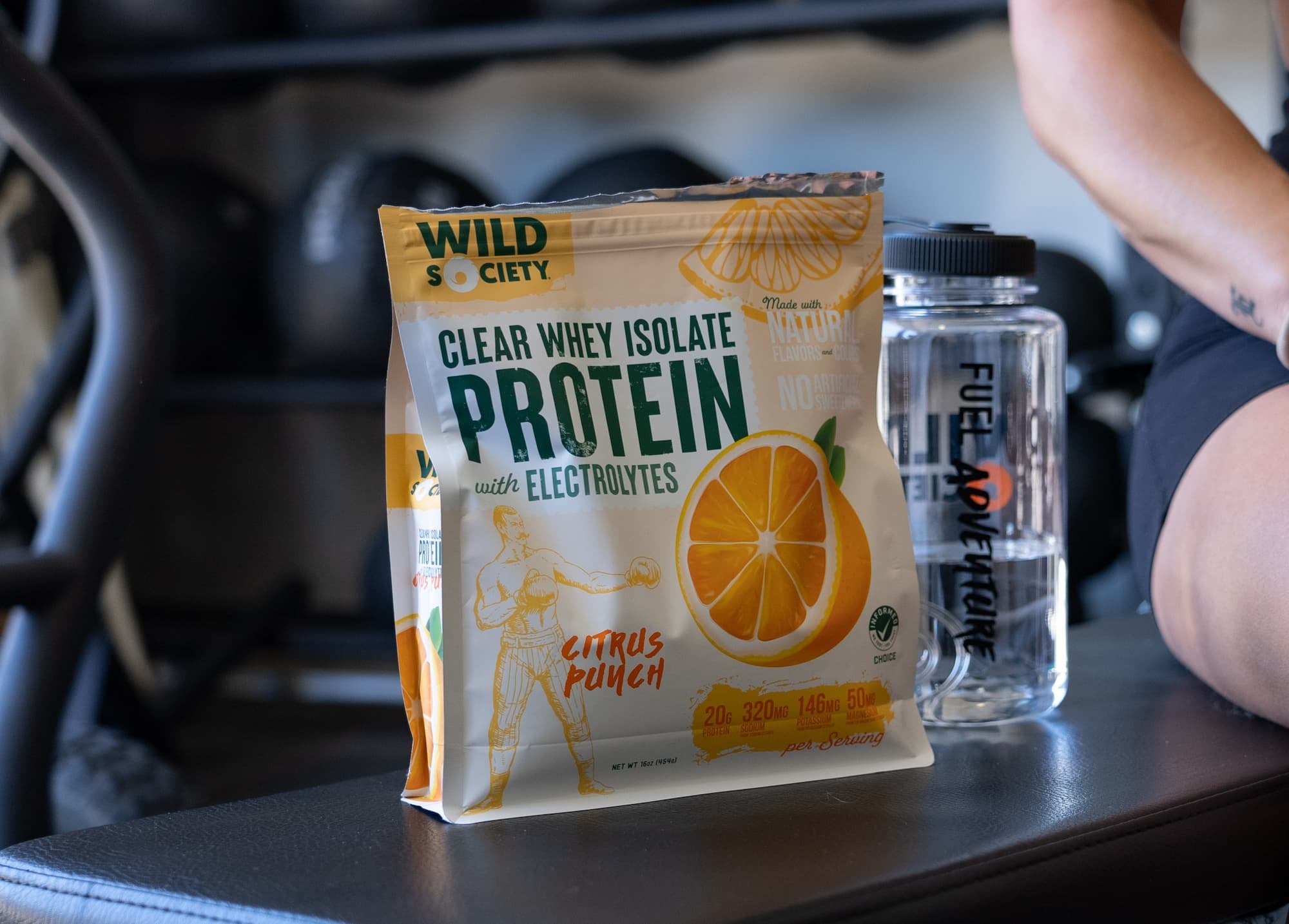
For a powder option, WSN Clear Whey Isolate with Electrolytes in Strawberry Coconut provides 20g protein, 90 calories, and 1g carbohydrate per 28g scoop. Use that serving as the starting point, then count any ingredients you add. Check the selected flavor's label rather than carrying one flavor's numbers across the range.

For an honest homemade comparison:
A protein bar or protein shake may be the easier choice on a particular day simply because you can track its whole serving without measuring anything. That convenience is valuable. It does not make homemade options complicated by definition; repeating a simple recipe can be just as practical once you know its ingredients.
Write the flavor and serving size beside your notes, especially when shopping online. A product page may let you switch flavors while showing several gallery images. Match the Nutrition Facts panel to the option you intend to buy. A comparison based on one flavor should not silently become a claim about every flavor in a case.
Similarly, check whether the price shown buys a single item, a multipack, or a subscription shipment. A “20g protein” statement tells you little about purchase quantity. Make the food comparison first, then the purchase comparison:
This extra minute can prevent a common mismatch: choosing a product because one pictured label fits your needs, then ordering a different size or formulation. Use the label on the received package as your final reference.
The ingredient list helps answer questions the protein number cannot. Look for the protein source, sweeteners, ingredients you personally avoid, and the allergen statement. A short list can be easy to understand, but length alone does not tell you whether a food fits your needs.
WSN Protein + Hydration uses whey protein isolate. Its Fruit Punch ingredients include stevia leaf extract and Reb M for sweetness. It has no artificial sweeteners, but it is sweetened. That distinction matters if your preference is specifically for an unsweetened drink rather than a drink without artificial sweeteners.
Keep these separate checks in mind:
WSN Protein + Hydration lists 0g lactose per serving and contains milk. Those statements describe different things: lactose is a sugar, while the whey isolate is a milk-derived protein. A clear appearance does not turn whey into a dairy-free protein source.
If you avoid milk because of an allergy, use the allergen statement as the deciding information. Do not infer suitability from the product's clear color or lactose number. If you avoid a particular ingredient for another reason, compare your own requirements with the ingredient list rather than a broad “clean” claim.
Some bars use sugar alcohols such as maltitol or sorbitol; some do not. The FDA's sugar alcohol resource notes that sugar alcohols can cause gas, bloating, or diarrhea in some people. Type, quantity, and individual response matter. A protein bar is not automatically a digestive problem, and a shake is not automatically free of ingredients you might prefer to avoid.
If you are comparing products because one disagreed with you, keep a note of its ingredient list and the portion you ate. That is more useful than ruling out every product with the same texture. Persistent symptoms deserve individual advice rather than repeated experiments with different snack labels.
Fruit Punch: 20g whey protein isolate • 100 calories • 0g sugar • 0g lactose per serving • 16 fl oz bottle • Contains milk
Choose your protein bar or shake before a workout according to the time available, your appetite, and what you already ate. A familiar snack is a more practical choice than a new product whose taste, portion, or ingredients you have never tried. There is no reason to test your entire nutrition plan on the day of an important event.
After training, consider when you last ate and when the next meal is coming. The International Society of Sports Nutrition's nutrient timing position stand emphasizes that the timing and composition of a pre-exercise meal affect the need for immediate post-exercise protein. Treat the workout as part of your day's eating pattern, not as a reason to ignore the meals around it.
For a protein bar or shake after a workout, convenience often settles the format:

Protein supports the repair and building of muscle, but a protein product is only one part of food and fluid intake. The NIH Office of Dietary Supplements describes the roles of an adequate diet, fluids, and sufficient nutrients in supporting exercise. Buying a protein item does not remove the need to eat and drink appropriately for your activity.
WSN Protein + Hydration in Fruit Punch combines 20g whey protein isolate with 240mg sodium, 110mg potassium, and 35mg magnesium per 16 fl oz bottle. It also provides 4g carbohydrate. Use those label amounts to understand its role, rather than assuming a protein drink supplies all the carbohydrate or fluid needed for every session.
For example, a drink can accompany a sandwich after training rather than stand in for that sandwich. If you prefer a bar, carry a separate drink. Those are practical ways to complete the eating occasion without treating either format as a complete plan for every athlete or workout. Our guide to the best post-workout drink explores that broader drink decision. Here, the useful comparison is the food or bottle you can fit into the routine you already have.
Portability includes what happens after the package opens. A bar fits a small pocket, but coatings can soften and wrappers can tear. A bottle needs more bag space but does not require you to locate water or wash a mixing container before drinking it. Powder saves carrying a full drink, provided you have a workable preparation setup at the destination.
Check the product's own storage directions. “Ready to drink” describes preparation, not permission to leave a drink anywhere indefinitely. The USDA's shelf-stable food guidance distinguishes unopened storage from handling after opening. Do not assume an opened package keeps under the same conditions as a sealed one.
Make packing specific to the trip:
If you dislike a drink at room temperature, plan how to keep it at your preferred temperature within its storage directions. If a bar becomes messy in warm conditions, choose a different texture or packing method. These ordinary details often matter more to daily use than a small difference between protein totals.
Compare the price of the amount you will actually eat or drink. A tub price, a case price, and a single-bar price are not directly comparable until you divide by servings. Include shipping or other unavoidable charges when they materially change your purchase.
For a simple illustration, suppose a hypothetical box of 12 bars costs $30 and a hypothetical case of 12 drinks costs $42. Their serving costs are $2.50 and $3.50. These are arithmetic examples, not current WSN prices or a claim about typical market prices.
If each hypothetical option supplies 20g protein, the comparison is already protein-matched. If the bar instead provides 15g, divide $2.50 by 15 and multiply by 20: about $3.33 per 20g protein. That puts its protein cost close to the example drink's $3.50, even though the bar's price per item looks lower. Use three checks before buying in volume:
Protein cost still leaves out differences in fiber, calories, texture, and convenience. A bar may be worth its price because you want solid food. A ready-to-drink bottle may be worth its price because it saves preparation on your busiest days. Decide which benefit you are buying rather than making the smallest number the only criterion.
You do not have to choose one format forever. Keep a drink for the situations where it helps and choose a bar when solid food fits better. A repeatable routine can include both without turning each snack into a nutrition calculation.
For a simple protein addition, Protein + Hydration offers a ready-to-drink option. When you want a powder-based routine with other ingredients built in, WSN Longevity provides 30g total protein from 20g whey isolate plus a 10g collagen matrix, alongside 5g creatine monohydrate and 150 calories per serving. That is a different formulation and decision; its 30g total should not be described as 30g of whey.

Choose according to the product you intend to use, then build food around it:
For more combinations, browse our high-protein snacks guide. If the drink format fits but you want to compare styles, our ready-to-drink protein shake guide covers that choice in more detail.
After matching protein grams, read where those grams come from. The ISSN protein position stand discusses the importance of essential amino acids and protein quality for exercise. A bar and a drink with the same protein total can use different protein sources. That is another reason to look beyond the largest number on the front.
For WSN Fruit Punch RTD, the protein source is whey protein isolate. A bar might use whey, milk protein, soy, a plant-protein blend, collagen, or several sources together. Read the actual ingredient list instead of guessing from a chocolate coating or the word “protein.” A mixed formula's total protein is not necessarily an equal amount of each listed source.
Use the source information to answer a specific question:
Do not try to calculate a product's amino-acid amounts from the ingredient order alone. The label may identify the protein sources without supplying a complete amino-acid panel. If that detail is central to your purchase, look for the manufacturer's specific information rather than treating a category average as that product's measured result.
This check can simplify the bar-versus-shake decision. If the two options meet your ingredient requirements and provide the protein amount you want, choose according to appetite, preparation, portability, and the rest of your food. You do not need to invent a universal winner to make a useful purchase.
Choose the format that suits the job: a bar for a compact food to chew, or a shake for drinkable protein. Compare whole servings rather than category averages. WSN Protein + Hydration in Fruit Punch provides 20g whey protein isolate and 100 calories per bottle. Check a bar's actual protein, calories, fiber, ingredients, and serving size before deciding which fits your snack or meal.
Eating only protein bars is not a balanced weight-management plan, and a bar-only diet cannot promise a particular result. It removes the variety offered by ordinary meals and makes one packaged food responsible for far more than a convenient snack. Use a bar or shake as a component of your eating pattern. For individual weight-management needs, a registered dietitian can help you build a sustainable plan around foods you enjoy.
Yes, they can serve different purposes in the same day. A drink might add protein to breakfast while a bar works as an afternoon snack. Count both as food rather than treating either as a free addition. Whether you need both depends on your meals and goals. Our guide to how many protein shakes a day explains how to consider shakes within the wider routine.
Eating a protein bar every day can be a practical routine if its ingredients suit you and it fits alongside varied meals. Look at the role it plays over the week: is it a convenient snack, or has it gradually replaced meals you meant to eat? You do not need to rotate products simply for novelty, but leave room for other foods instead of relying on one packaged item for variety.
There is no single healthiest bar for every person or occasion. Start with a product whose allergen and ingredient information suits you, then compare protein, fiber, calories, and added sugar for the whole bar. A snack before a meal and food for a longer gap may call for different portions. Choose a bar you enjoy and can use in a varied diet rather than relying on a universal ranking.
The best time to eat a protein bar is when it solves a practical food gap: between meals, alongside a breakfast that needs more food, or when your next meal is delayed after training. There is no special clock time that makes the wrapper work better. If you want one before exercise, choose a familiar product and portion that you know is comfortable, allowing enough time for your usual eating routine.
Add protein amounts from the portions you actually plan to eat. For example, a WSN Protein + Hydration bottle supplies 20g, so pairing it with a food portion whose label supplies 10g brings the snack to 30g. That could be an appropriately sized yogurt or another labeled food that suits you. Check its actual portion instead of assuming every yogurt, bar, or handful of nuts contributes the same amount.
A 50g protein shake is not automatically too much or “wasted,” but it is more than many people need to add in a single drink. Appropriate amounts depend on body size, activity, meals, and individual circumstances. The ISSN protein position stand discusses protein intake across the day. For the distinction between digesting protein and using it for different purposes, see how much protein the body can absorb at once.
Neither a protein bar nor a shake is automatically better after a workout; either can provide protein after exercise. Choose based on the actual serving, how hungry you are, and when you will eat next. A ready-to-drink bottle is convenient when you do not want to mix or chew anything; a bar may suit you when you want solid food. If you need a fuller snack, add other food rather than assuming either single package covers the entire occasion.
One protein bar a day is not inherently too much. Its size and nutrition matter more than the number of wrappers. A small bar and a large meal-style bar can contribute very different amounts of food. Assess whether that one portion fits your appetite and meals, and whether its ingredients agree with you. This is a portion question, separate from whether a daily bar is crowding variety out of your routine.
The two-hour protein rule usually refers to consuming protein within roughly two hours after exercise. It is a convenient planning idea, not a universal deadline after which a workout stops benefiting you. Your pre-workout meal and overall intake influence the timing decision. If training ends a long way from your next meal, packing a protein snack is practical; if a meal is already planned, include protein there.
Two eggs provide roughly 12g protein using the approximately 6g-per-egg example in USDA MyPlate's budget guide. The exact amount depends on egg size. Whether that is enough depends on your needs and the rest of the meal; it is not a universal post-workout target. Count any other protein foods alongside the eggs, just as you would compare a whole bottle or bar with the food you eat with it.
Choose your next protein purchase around a specific occasion. If you want a chewable snack, compare the bars you would enjoy eating. If you want clear, drinkable protein with no mixing, start with the Protein + Hydration product page and choose the available flavor and purchase option that fit your routine.
Fruit Punch provides 20g whey protein isolate, 100 calories, 4g carbohydrate, 0g sugar, and 0g lactose per serving in a 16 fl oz bottle. Keep that label-backed serving in mind when comparing alternatives. It gives you a useful protein option for the days when opening a bottle is the easiest way to get it done.
Fruit Punch: 20g whey protein isolate • 100 calories • 0g sugar • 0g lactose per serving • 16 fl oz bottle • Contains milk
This article is for general informational purposes and isn't medical advice.

Best Sellers
Use this text to share information about your collection with your customers.