

Beef Protein Powder vs. Whey: Which Fits Your Goals?
Compare beef protein powder and whey by protein source, amino acids, ingredients and texture. Learn how to read a beef isolate label before buying.

Choose a protein shake when you want to add protein, and choose a meal replacement when the product’s broader nutritional profile actually fits the meal you need. The useful difference is the job the drink will do, together with everything else you plan to eat.
WSN Protein + Hydration RTD provides 20g protein and 100 calories per 16 fl oz bottle. Treat it as a convenient protein component: something you can add to your day or pair with food when you are putting a meal together.
Before comparing packages, picture the eating occasion and the broader nutrition you want, including dietary fiber. Adding protein to food you already have planned is a different task from finding something to take the place of breakfast or lunch.
You might already have a meal and want a convenient protein drink alongside it. You might be packing lunch from several separate items. Or you might need a product specifically suited to serving as the broader meal. Those situations lead to different shopping decisions.
Choose the starting point that matches your plans:
This gives the protein number a useful role without asking it to answer every question. A drink can be a good fit for adding protein even when you plan to include other food at mealtime.
Think about what normally makes up that particular meal. You may usually eat a mix of foods with different nutrients and textures. When considering a replacement, look at what the new option will supply across that broader picture.
The words “meal replacement” can help identify a product’s intended purpose, but the actual label and preparation instructions still matter. A product might require a particular mixing liquid or other preparation before the manufacturer’s intended serving is ready.
For a ready-to-drink protein component, Protein + Hydration RTD gives you a defined bottle serving that is easy to include in your plan.

Fruit Punch: 20g whey protein isolate • 100 calories • 0g sugar • 240mg sodium / 110mg potassium / 35mg magnesium per 16 fl oz bottle • Contains milk
| Decision | WSN protein drinks and powders | Product intended as a meal replacement |
|---|---|---|
| Starting role | Add a protein component | Provide the broader nutrition intended for a meal |
| What to inspect | Protein source, serving, ingredients and preparation | The full nutrient profile, intended use and prepared serving |
| Food alongside it | Choose foods that fit the meal you are building | Consider whether the product actually covers the meal role you need |
| Useful example | Protein + Hydration RTD alongside food you have packed | A specific product evaluated using its own label and directions |
| What the name establishes | A protein format to consider | A stated purpose to evaluate |
| Best next question | What will I eat with this if it is mealtime? | Does the prepared product fit the meal I need? |
A bottle can be convenient because you can open it without mixing. A powder can be convenient because you can keep several servings where you prepare your drinks. Neither format, on its own, establishes that the product fills a whole-meal role.
Make two decisions:
That order helps prevent a hurried purchase based only on packaging. If you want a protein drink with lunch, a bottle may solve the preparation problem while the food you pack supplies the rest of the meal.

Protein is one part of the comparison. When deciding whether a drink fits a meal, also look at the other nutrients and the amount you will actually consume.
A useful label review includes:
These fields help you understand the product rather than relying on a large front-of-package protein number. They also give you a way to decide which foods you might want alongside the drink.
The FDA’s Nutrition Facts guide explains that the nutrient amounts generally apply to the stated serving. Start there so a single bottle, a scoop of powder and a prepared drink are being read in the right context.
Here is the current Fruit Punch Protein + Hydration RTD label, using one 16 fl oz bottle as the serving:
| Label field | WSN Protein + Hydration RTD, Fruit Punch |
|---|---|
| Serving | One 16 fl oz bottle |
| Calories and protein | 100 calories; 20g whey protein isolate |
| Carbohydrate and fiber | 4g total carbohydrate; 0g dietary fiber |
| Fat | 0g total fat; 0g saturated fat |
| Sugars | 0g total sugars; 0g added sugars |
| Named electrolytes | 240mg sodium; 110mg potassium; 35mg magnesium |
| Other listed micronutrients | 0mcg vitamin D; 10mg calcium; 0.1mg iron |
| Ingredients | Water, whey protein isolate, citric acid, natural flavors, sodium citrate, potassium citrate, magnesium citrate, stevia leaf extract, Reb M |
| Allergen | Contains whey (milk) |
That profile makes its role clear: a ready-to-drink protein component with named electrolyte amounts. At mealtime, pair it with the foods you want for fiber, energy and variety. Choose Protein + Hydration RTD when opening a bottle is the convenient way to bring that protein component with you.
For protein powder vs. meal replacement, preparation can change what you are comparing. A powder’s label may describe the powder serving, while a prepared drink includes the liquid and anything else you add.
Read the instructions and determine which information is being presented. If you prepare a powder with a food or drink that contributes additional nutrients, the finished combination has its own total. The powder’s protein figure still describes the powder serving.
For a creamy protein option, WSN Grass-Fed Whey provides 25g protein per serving, with 15 servings in the bag. It gives you a defined protein component to use alongside your planned food.
Dietary fiber deserves attention when you are assessing a broader meal. Look for the amount on the drink’s label, then consider the food you plan to eat with it.
You can choose fiber-containing foods from several familiar categories:
The exact contribution depends on the particular food and portion. This is a reason to choose a varied meal, rather than assuming one additional ingredient supplies everything you need.
The FDA recommends using Nutrition Facts information alongside MyPlate to consider packaged foods within a broader eating pattern. That combination is useful here: the label describes the drink, while your meal plan includes the other foods.
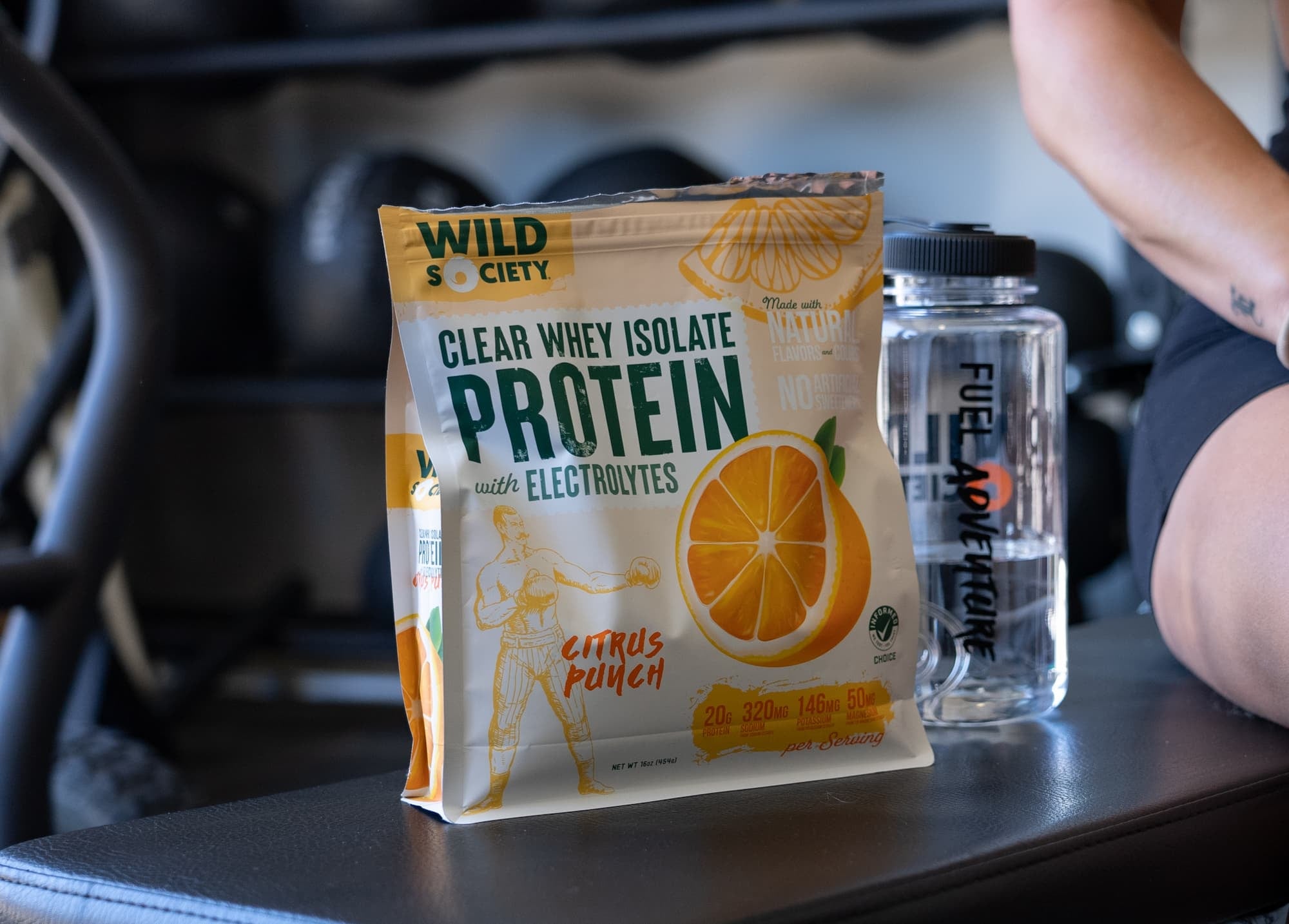
For a clear drink alongside food, WSN Clear Whey Isolate with Electrolytes provides 20g protein and 90 calories per serving, with 16 servings in the full bag.
Use the product’s intended serving and nutrient profile to assess a meal replacement. For a protein shake, plan the food you will eat with it. Your usual eating pattern, appetite and the occasion help determine the combination, while the label identifies what the drink contributes.
Two prepared drinks can fill the same size container while containing different amounts of powder or different mixing liquids. Container size helps you plan what to carry, but it does not establish equal nutrition.
For a useful comparison:
Adding more water to the same powder serving changes the drink’s volume without adding protein. Using a different mixing liquid may change the nutrition, depending on what that liquid supplies. This distinction helps when comparing a homemade shake with a ready-to-drink bottle: compare the actual preparations you will consume, then choose the container and format that suit your meal.
A protein shake can be one part of a meal assembled from familiar foods. You do not have to blend everything into one container to make that combination work.
Start with a simple structure:
This is a planning approach, not a fixed recipe. The portions and combinations remain yours to choose, and the nutrition of the completed meal depends on those choices.
Choose a breakfast format that works with your morning. A shake can sit beside the food rather than replacing the experience of eating it.
Possible combinations include:
These are optional starting points. Choose amounts that fit your meal and use the actual food labels when you want to understand the total nutrition. The shake contributes its stated protein serving; the accompanying foods add their own nutrients and eating experience.
Keeping the components separate also gives you flexibility. You can change the food according to what you have available while retaining the protein drink you enjoy.
For lunch, think about the whole package you will carry. A drink can supply a convenient protein component while other foods make the meal more varied.
Consider combinations such as:
Select the combination around your preferences and the setting. A workplace lunch with refrigeration and utensils can look different from something packed for a short outing.
Keep food handling practical, too. Follow the storage instructions for each product and pack perishable food appropriately. Convenience improves when the whole meal works in the place you intend to eat it.
When building a shake-based meal, choose additions because they serve a purpose you value. More ingredients do not automatically make a better meal, and everything does not need to go into the blender.
Useful reasons to add a food include:
That approach lets you keep the drink simple while giving the meal more variety. It also makes it easier to repeat a combination you enjoy.
A protein shake can work as part of a meal when you choose the accompanying food deliberately. If you want one product to replace the whole meal, evaluate its broader nutritional profile and intended use, including dietary fiber and other nutrients. WSN protein drinks and powders are useful protein components, so plan food around that role. A ready-to-drink bottle with a prepared lunch or a powder serving alongside breakfast gives the shake a clear place in the meal.

Protein + Hydration RTD supplies 20g protein and 100 calories in a 16 fl oz bottle. Its practical advantage is the prepared format: you can include it with food without measuring powder or finding a mixing container.
That can suit several situations:
Choose it for that convenience and its stated product facts. Your meal plan then determines what you pack alongside the bottle.
For a closer look at bottle options and shopping considerations, see our guide to ready-to-drink protein shakes.
Powder works well when you have a place to prepare it and prefer that format. Grass-Fed Whey provides a creamy option, while Clear Whey gives you a clear drink to prepare according to its directions.
Choose around the experience you want:
A packet can help you try the preparation and flavor before choosing the larger package.

Shop Single Serve Clear Isolate
Lemon Lime: 20g protein • 90 calories • 0g sugars per serving • Powder packet, mix with water • Contains milk
Consider what will be available when it is time to make the drink. A bag of powder is useful at a regular preparation spot. A packet is easier to carry when you want one serving. A bottle simplifies the plan when you want the drink ready.
Ask yourself:
Our protein powder vs. protein shake guide covers the format decision in more detail. For this comparison, preparation is the practical step after deciding whether you need a protein component or a broader meal product.
Start with the product’s directions and choose ingredients that fit your dietary requirements, including any food allergies. There is no single list here that applies to every shake and every person. Added foods and mixing liquids change the finished drink’s nutrition and texture, so account for them separately. If you prefer a straightforward preparation, make the shake as directed and eat your fiber-containing foods and produce alongside it.
Sometimes the next decision is simply whether you want a liquid protein component. You may enjoy a drink with food at one meal and prefer a solid snack at another time.
If you are comparing those formats, our protein bar vs. shake comparison explores that choice. The same meal-planning question still applies: identify what the product supplies and how it fits with everything else you will eat.
The difference between a meal replacement and a protein shake becomes easier to use when you connect it to one real eating occasion.
Before buying, check that:
These decisions give the product a defined purpose. You can then choose the flavor and package you prefer without expecting one front-of-package number to explain the whole meal.
Use the product’s role and preparation to narrow the choice:
This keeps each option connected to something it actually offers. You can enjoy the convenience of the bottle or the flexibility of powder while choosing food that makes sense for the meal around it.
For an easy prepared option, choose Protein + Hydration RTD as your meal’s protein component. To explore a powder format with a smaller commitment, start with a WSN Clear Whey single-serve packet.
This article is for general informational purposes and isn't medical advice.

Best Sellers
Use this text to share information about your collection with your customers.