



Hydrolyzed Whey vs. Isolate: Which Should You Choose?
Compare hydrolyzed whey and isolate by processing, evidence, ingredients and texture. Learn why a powder can be both and how to choose yours.

Choose whey for complete protein and a familiar shake when milk fits your diet; choose beef protein for a beef-derived preference after checking the formula and its amino acid profile.
For a straightforward whey option, WSN Grass-Fed Whey provides 25g protein per serving in a 15-serving bag. Beef protein powder deserves the same practical label check: identify the protein ingredient, confirm what one serving supplies, and match the drink to how you will use it.
The useful comparison starts with what is inside each product. Whole beef, beef protein isolate and bovine collagen describe different things.
Whey comes from milk. It supplies all nine essential amino acids, which is what makes it a complete protein. The NIH Office of Dietary Supplements identifies whey as a complete milk protein and explains that adequate protein supports the response to training and recovery.
“Beef protein” tells you the animal source, but you still need the ingredient details. A powder made from beef-derived ingredients cannot be evaluated as though it were simply a steak put through a blender.
| Option | What it tells you | What to check |
|---|---|---|
| Whole beef | A whole food with its own nutritional composition | The cut, portion and preparation |
| Beef protein isolate | A concentrated beef-derived protein ingredient | Source details and the actual amino acid profile |
| Bovine collagen peptides | A specific collagen protein from cattle | Whether collagen matches your intended use |
| WSN Grass-Fed Whey | Milk-derived whey with 25g protein per serving | Flavor ingredients, milk declaration and 15-serving format |
| WSN Clear Whey | Whey isolate with 20g protein and 90 calories per serving | Milk declaration, ingredients and clear drink format |
Use the source as your first filter, then evaluate the finished product. If you already enjoy a conventional protein shake and milk works for you, Grass-Fed Whey gives you a clear starting point.
A beef-derived preference can also guide a purchase. Ask the manufacturer to identify the protein ingredient precisely and provide the amino acid breakdown for the current formula. This gives you something concrete to compare with whey, beyond the animal pictured on the package.
If you are exploring a different source altogether, our whey protein vs. plant protein comparison covers that separate decision.

Start with the ingredient list and work outward. “Isolate” describes a concentrated protein ingredient; it does not make beef isolate and whey isolate identical. “Hydrolyzed” describes protein broken into smaller pieces. Neither word, by itself, supplies the complete amino acid breakdown.
For a useful beef protein powder vs. whey comparison, collect these details:
A 30g scoop of powder does not necessarily contain 30g protein. Likewise, amino acid figures reported per 100g of protein cannot be compared directly with figures reported per scoop. Convert both to the same basis before drawing a conclusion.
For example, if a manufacturer supplies amino acid amounts per 100g protein, multiply each amount by the serving's protein grams divided by 100. That produces a per-serving figure, provided the manufacturer confirms that the profile applies to the finished formula.
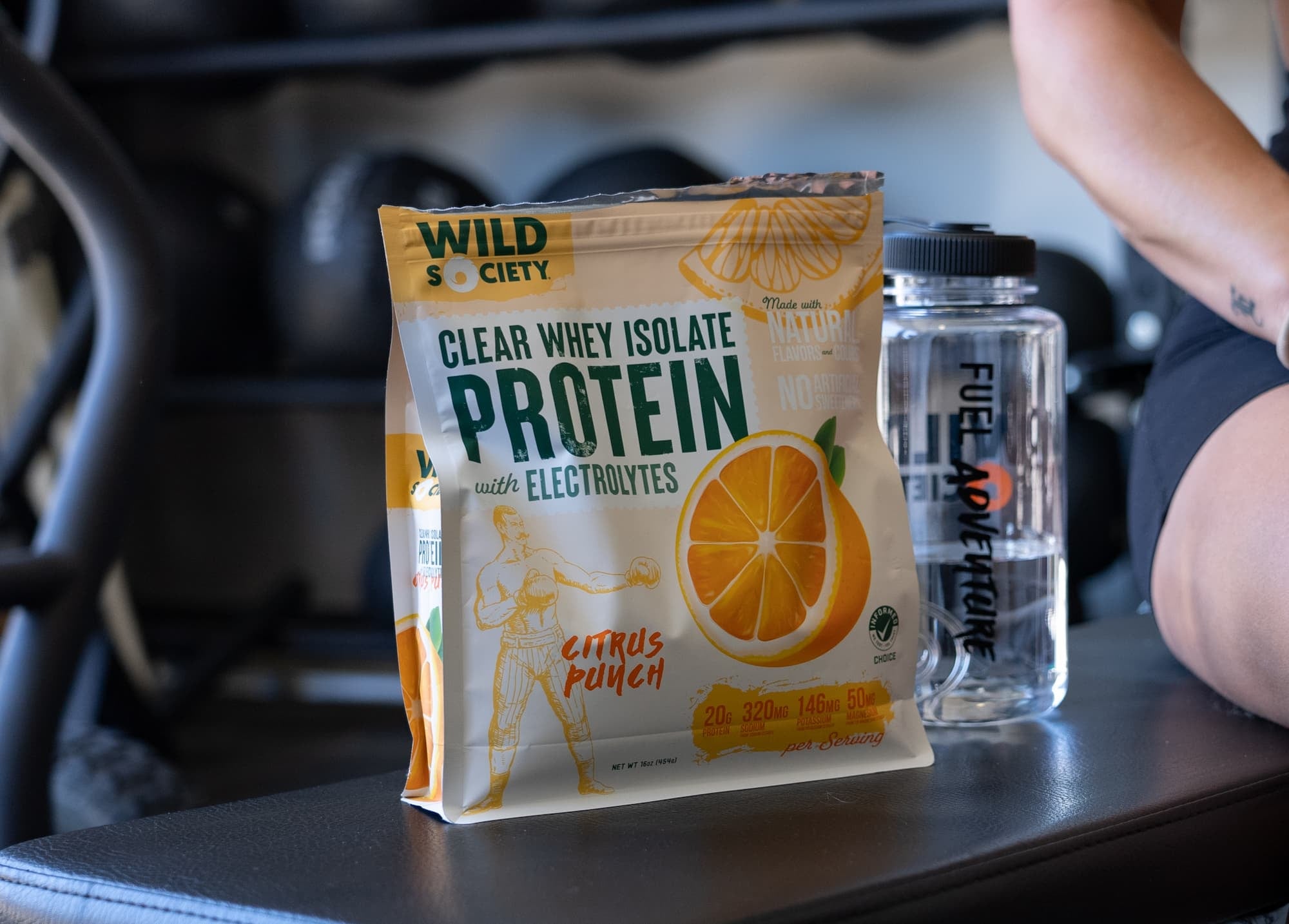
Clear whey is milk-derived protein in a clear drink format. WSN Clear Whey gives you 20g protein and 90 calories per serving, with 16 servings per bag, when you prefer a lighter fruit-flavored drink.
Bovine collagen is a particular protein category. A beef-derived powder may use collagen, another beef-derived protein ingredient, or a blend. Read the declared ingredients and supporting composition information to establish which one you are buying.
Collagen has a different amino acid pattern from whey. In a published trial's ingredient analysis, the tested collagen contained no tryptophan and substantially less leucine than the tested whey. Those measured ingredients illustrate why equal protein grams do not establish equal amino acid composition.
Apply that distinction to the actual product. A “beef” label alone cannot tell you how much collagen it contains, and it does not justify calling every beef powder collagen.
For the beef protein vs. whey amino acid profile question, the most useful evidence is a complete, clearly labeled breakdown. Leucine matters in muscle protein synthesis, but the other essential amino acids matter too. Evaluate the whole profile rather than treating one highlighted amino acid as the entire comparison.
A complete profile should help you answer:
Whey's complete-protein status provides a useful foundation for a training shake. An exact WSN leucine quantity requires separate verified product data, so use the stated protein amount when planning your purchase. WSN Grass-Fed Whey provides 25g protein per serving in a familiar creamy-shake format.
An eight-week randomized trial involving 41 participants compared a specific beef protein isolate, whey protein concentrate, hydrolyzed chicken protein and a carbohydrate control during resistance training. The protein groups increased lean body mass from their starting measurements.
That finding supports evaluating beef protein as a legitimate category. Its scope remains the tested formulas, participants and training program. It does not establish that every beef powder has the same amino acid profile as whey, or that any WSN product was tested.
Read research claims with three questions in mind:
For a buying decision, combine the evidence with the label. A well-described beef formula gives you a basis for assessment. Whey offers an established complete-protein source in several convenient formats. Your serving size and regular use still need to fit your routine.
A 10-week randomized trial with 22 participants compared whey with collagen peptides supplemented to match leucine content. The whey group had greater increases in the measured muscle thickness outcomes, while strength and power changes were similar between groups.
This was a whey-versus-collagen comparison, not a test of every beef isolate. It also shows why adding enough of one amino acid to match a number does not establish that two protein formulas are interchangeable.
For more detail on that specific source choice, see collagen vs. whey protein.

Once the source and label work for you, choose a format you can picture using. WSN Grass-Fed Whey fits the familiar creamy-shake direction. Clear Whey offers a different drinking format while keeping whey isolate as the protein source.
Beef powders also vary by formula. Use the manufacturer's mixing directions and product description to understand the intended consistency. Protein source alone does not establish sweetness, mouthfeel or how a flavored powder will mix.
Make the comparison using the drink you actually intend to prepare:
Flavor-specific labels matter. A product image or nutrition panel for one flavor should not stand in for another flavor's complete ingredient list.
For whey choices, our whey protein isolate vs. concentrate guide explains the ingredient distinction. Keep allergen information separate from appearance or texture: a clear whey drink still contains milk.

If whey matches your source preference, decide how you want to buy and use it. The bag format suits a repeated routine. A single-serve packet gives you a smaller entry point and a premeasured portion to take along.
WSN's Clear Whey single-serve packs provide 20g protein and 90 calories per packet. They are a practical way to try the format before choosing a full bag.
Shop Single Serve Clear Isolate
Lemon Lime: 20g protein • 90 calories • 0g sugars per serving • Powder packet, mix with water • Contains milk
Choose package size by the number of labeled servings you expect to prepare. Grass-Fed Whey supplies 25g protein per serving with 15 servings per bag; Clear Whey supplies 20g protein per serving with 16 servings per bag.
Consider a hypothetical routine of four prepared servings per week:
This makes the difference between protein per serving and servings per purchase tangible. A higher total protein amount does not necessarily mean more prepared drinks. Choose the portion and texture first, then use the package count to estimate when you will need another bag. The same calculation works for a beef powder once its serving count is known.
Bring the decision back to the product in front of you:
For a price comparison, divide the package price by its number of servings. If protein amounts differ, calculate price per gram of protein as an additional reference. Keep the source and composition alongside that figure: the lowest price per gram does not answer every question about the formula.
Whole meat and whey powder serve different roles. Meat is a food you prepare and eat; whey powder is a convenient way to add a measured amount of complete protein to a drink. A beef powder is a third product and should be evaluated using its own ingredients and amino acid profile. Choose between the actual formats you want to use, rather than transferring whole beef's nutritional identity to a processed powder.
For a complete-protein shake, whey is the clearer choice. Bovine collagen has a different amino acid profile and should be assessed for its specific intended use. The collagen-versus-whey research above does not support treating equal grams as automatically equivalent for training outcomes. If a beef powder is your preferred option, first establish whether it contains collagen, another beef-derived ingredient or a blend, then evaluate that exact composition.
Whey fits a straightforward complete-protein purchase when milk works for you. Beef protein fits a beef-derived source preference when the manufacturer provides enough formula detail to make an informed comparison. For either option, check the serving and ingredients, then choose a format you will use consistently. With whey, the remaining choice can be practical: a familiar shake, a clear drink or an individual packet.
For the familiar shake, choose WSN Grass-Fed Whey with 25g protein per serving and 15 servings per bag. For a clear format, choose Clear Whey, or start with a single-serve packet for a smaller first purchase.
This article is for general informational purposes and isn't medical advice.

Best Sellers
Use this text to share information about your collection with your customers.