


Micronized Creatine vs Monohydrate: What Is the Difference?
Micronized describes particle size; monohydrate identifies creatine's form. Compare evidence, mixing claims and labels, including WSN Longevity's 5g serving.

Choose pea protein if you want a plant-based powder, or choose whey if dairy fits your diet and you want a creamy or clear protein drink. For the creamy option, WSN Grass-Fed Whey provides 25g protein per serving, with 130 calories in Vanilla Bean or Dutch Chocolate.
The useful comparison starts with the product you will actually drink. A protein source, a scoop size and a finished formula describe different things. Understanding those differences helps you interpret the muscle research and choose a serving that fits your preferences.
Pea protein comes from peas; whey is a milk protein. That source difference determines whether either option fits a vegan diet or a milk allergy. It also helps explain differences in amino acid composition, although the ingredient name alone cannot predict the results of your training.
A bag labeled “pea protein” might contain pea protein isolate alone or a flavored blend. Whey products also vary. A clear whey isolate drink and a traditional creamy whey shake can have different nutrition and ingredients while both supplying milk protein.
| What you are comparing | Pea protein powder | WSN Grass-Fed Whey | WSN Clear Whey Isolate + Electrolytes |
|---|---|---|---|
| Protein source | Pea protein; check for other proteins in blends | Grass-fed whey protein concentrate | Whey protein isolate |
| Protein per serving | Verify the selected product's label | 25g | 20g |
| Calories per serving | Verify the selected product and flavor | 130 in Vanilla Bean or Dutch Chocolate | 90 |
| Servings per bag | Verify the selected product | 15 | 16 |
| Dietary fit | Plant-based ingredient; verify the complete formula | Contains milk | Contains milk |
| Drinking format | Depends on formulation and flavor | Creamy shake | Clear, fruit-flavored drink |
The empty numerical comparisons in the pea column are deliberate: a generic pea ingredient does not have one universal serving label. Use the same approach when comparing pea protein isolate with whey isolate. “Isolate” describes the ingredient's processing and concentration, while the finished serving includes everything else in the formula.
If a creamy shake is the format you already enjoy, Grass-Fed Whey's labeled 25g protein gives you a concrete place to start.
Proteins supply amino acids, the building blocks your body uses to make proteins of its own. Leucine is one essential amino acid involved in the muscle-building response. Whey and pea have different amino acid profiles, so matching their total protein does not automatically match every individual amino acid.
That distinction matters when you see claims about pea protein versus whey bioavailability. Digestibility, the amount of an amino acid reaching circulation and changes in muscle over several weeks are different measurements. A single ranking cannot stand in for all three.
For a broader look at different plant sources, our whey protein versus plant protein comparison explains the category. Pea-specific training trials give this particular buying decision more useful context.
A 2015 trial by Babault and colleagues studied 161 men during 12 weeks of resistance training. Participants received pea protein, whey protein or a placebo. The protein groups used 25g of supplement twice daily as part of the study protocol.
The researchers found no significant difference between pea and whey in muscle thickness or strength. That is useful evidence that pea can support a resistance-training program. It does not establish that every pea powder and every whey powder produce identical results.
One detail often gets lost in summaries: a pea-versus-placebo result in a subgroup is not a pea-versus-whey victory. Keep the actual comparison attached to the finding. The study gives plant-based buyers a reason to consider pea without requiring whey buyers to change a product that suits them.
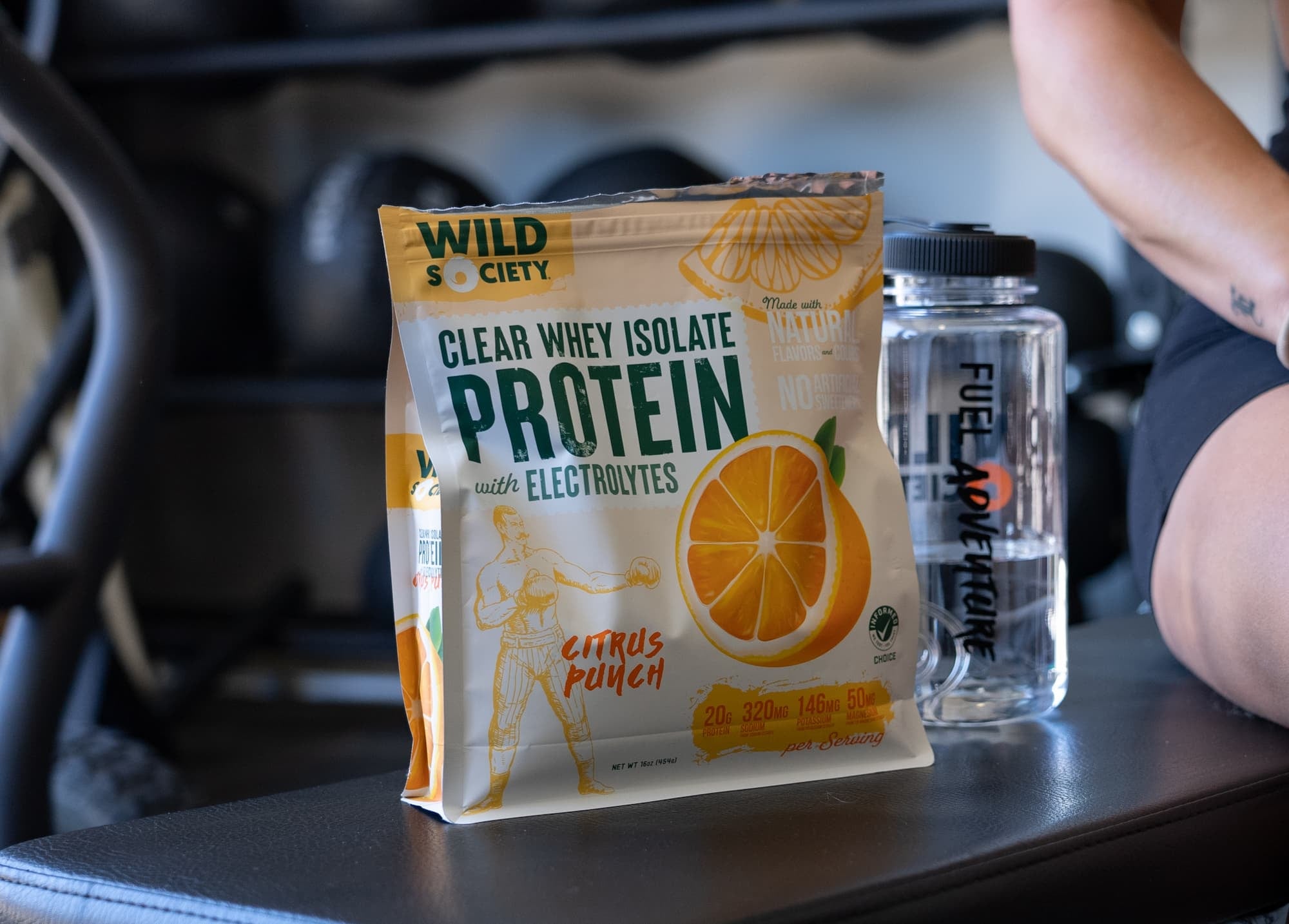
For a dairy-compatible choice with a different drinking experience, WSN Clear Whey supplies 20g protein and 90 calories per serving in a clear format.
A 2019 pilot study by Banaszek and colleagues compared pea and whey during eight weeks of high-intensity functional training. Fifteen adults took part, using 24g of pea or whey protein twice daily within the study.
Both groups improved squat and deadlift strength, with no significant differences between groups. However, the study did not demonstrate a training effect on muscle thickness or body composition. Describing it as proof that the two powders produced equal muscle growth would overstate what happened.
These were research protocols, not personalized serving instructions. Their value is in showing what was tested and what was measured. Your purchase still needs to fit your diet, the rest of your protein intake and the training you actually do.
Use the research to answer whether a protein source is a credible option, then use the label to choose the product. Neither trial tested WSN's finished formulas, and neither turns a particular flavor or ingredient blend into a clinically proven muscle-building product.
A useful reading order is:

Compare the grams of protein in the serving, not the size of the scoop. Scoops measure a finished powder that can include flavoring and other ingredients. The number of scoops is therefore a poor shortcut for comparing two different products.
For WSN, the choice is specific: Grass-Fed Whey provides 25g protein with 130 calories per serving in either featured flavor, while Clear Whey provides 20g protein with 90 calories. Those are two labeled options, not an instruction that everyone should choose the larger or smaller serving.
When replacing another powder, put its protein and calories beside those figures. That makes the change visible before you buy. For a familiar creamy serving with 25g protein, Grass-Fed Whey keeps the comparison straightforward.
A pea ingredient does not make every pea-based powder nutritionally identical. Check whether the protein comes entirely from peas, whether another protein is included and which ingredients provide the flavor and texture.
Apply the same scrutiny to whey. Grass-Fed Whey uses whey protein concentrate; Clear Whey uses whey protein isolate. If those terms are new, our whey isolate versus concentrate guide explains their differences without treating either as the automatic winner.
Useful label checks include:
Our guide to choosing a clean protein powder develops that label-reading approach. A clear ingredient list is more useful than guessing the formula from a front-of-bag description.
“Pea or whey tastes better” has no universal answer. Flavoring, sweetness and texture are properties of the finished product, and personal preference matters. A vanilla pea powder and a vanilla whey powder can share a flavor name without delivering the same drinking experience.
For WSN buyers, the first distinction is creamy versus clear. Grass-Fed Whey offers the traditional shake direction in Vanilla Bean or Dutch Chocolate. Clear Whey Isolate + Electrolytes offers a fruit-flavored alternative when that format appeals more.
This is a comparison of product formats, not a taste-test ranking. Start with the kind of drink you want, then select the flavor. That is more actionable than expecting the protein source alone to settle taste.
Pea protein is not always cheaper than whey. Compare current product prices with the number of servings and protein per serving, rather than assuming that a plant ingredient guarantees a lower checkout total.
For WSN, Grass-Fed Whey has 15 servings per bag and Clear Whey has 16. Use those counts with the current product-page offer. Keep flavor, drinking format and ingredient preferences in the decision, because a lower bag price alone does not tell you whether the product fits.
A vegan diet excludes whey because whey comes from milk. Pea can fit a plant-based diet, provided the complete product does too. A blend containing both pea and whey still contains milk protein and is not a vegan substitution.
Milk allergy and lactose intolerance are different issues. Health Canada explains that milk allergy involves milk proteins, while lactose intolerance concerns digestion of milk sugar. A statement such as “0g lactose per serving” does not make a whey product appropriate for someone with a milk allergy.
Both WSN whey options contain milk. If avoiding milk protein is essential, use that requirement to rule out whey before comparing flavors or calories. If dairy fits your diet, the creamy and clear options give you two distinct ways to choose a product you enjoy.

You can make the decision without declaring a whole protein category better. Start with the condition the product must meet, then compare the features that matter to you.
For a clear drink with protein and those individually labeled electrolytes, Lemon Lime Clear Whey is a direct match.
The practical drawback is that the category name tells you little about the finished serving or whether you will enjoy the product. Protein amounts, flavoring and texture vary by formula. Pea also has a different amino acid profile from whey, so equal protein grams should not be treated as proof of identical amino acid delivery.
Those differences do not make pea an ineffective choice. They make label comparison worthwhile. Start with dietary suitability, then compare protein per serving and the format you want. For a creamy whey option, WSN Grass-Fed Whey provides a clear 25g protein benchmark.
Yes, pea protein can contribute to a diet that supports muscle-building training. The 12-week Babault trial provides relevant evidence, finding no significant pea-versus-whey difference in muscle thickness or strength under its study conditions.
That conclusion is narrower than saying any scoop of pea equals any scoop of whey. The amount consumed, overall diet and training program still matter. Also keep the smaller eight-week pilot in perspective: its strength improvements did not amount to demonstrated muscle growth.
You can switch protein sources, but compare the actual servings before assuming the replacement is identical. A scoop of one powder may provide a different amount of protein and calories from a scoop of the other. The ingredient and allergen statements also need to fit the reason you are switching.
If the goal is a vegan choice or avoidance of milk protein, pea may address that requirement. If the issue is simply wanting a different drinking format, WSN Clear Whey offers 20g protein in a clear drink for people who can use milk protein.
Neither source is universally healthier for every buyer. Dietary fit comes first, followed by the finished product's nutrition and ingredients. A product that meets your protein needs but conflicts with an allergy or dietary requirement is not the right selection.
For dairy-compatible buyers, WSN's labels make the choice concrete: 25g protein and 130 calories in Grass-Fed Whey, or 20g protein and 90 calories in Clear Whey. Choose the serving and format that fit your overall diet rather than using a category label as a health score.
The pea-versus-whey decision gets simpler when you separate dietary requirements from product preferences. Choose a suitable pea formula when plant-based protein is the priority. When dairy fits, use the labeled serving and drinking format to guide your purchase.
WSN Grass-Fed Whey is the creamy option with 25g protein per serving. For a clear alternative, choose WSN Clear Whey Isolate + Electrolytes. If you would like to start small, the Lemon Lime single-serve pack provides 20g protein and 90 calories in one packet, giving you a low-commitment way to try the format.
This article is for general informational purposes and isn't medical advice.

Best Sellers
Use this text to share information about your collection with your customers.