


Creatine vs BCAAs: Which Supplement Fits Your Goal?
Creatine and BCAAs do different jobs. Compare training evidence, complete protein and label amounts, including WSN Longevity's creatine and protein blend.

Milk protein isolate contains both casein and whey, while whey protein isolates the whey portion; choose a shake by checking its finished serving, ingredients and format as well as the protein name. For a ready-to-drink whey option, WSN Protein + Hydration RTD provides 20g whey protein isolate, 100 calories and 0g sugar per 16 fl oz bottle.
The similar names can make the shelf look more complicated than it is. Once you know what each ingredient means, you can compare the drink you will actually buy without guessing its composition from one word on the package.
Milk protein isolate and whey protein isolate are both dairy ingredients, but they are not interchangeable names. Milk protein isolate retains milk's casein and whey proteins. Whey protein isolate supplies the whey portion.
A generic ingredient does not have one universal finished-drink label. The product's serving size and full formula determine what is in the bottle or prepared serving.
| What to check | A drink containing milk protein isolate | WSN Protein + Hydration RTD | WSN Clear Whey Isolate + Electrolytes |
|---|---|---|---|
| Protein source | Milk protein isolate contains casein and whey; check for additional proteins | Whey protein isolate | Whey protein isolate |
| Protein per serving | Verify the finished product's label | 20g per 16 fl oz bottle | 20g per serving |
| Calories | Verify the selected product | 100 per bottle | 90 per serving |
| Format | Depends on the finished product | Ready-to-drink bottle | Powder, 16 servings per bag |
| Milk allergen | Contains milk protein | Contains milk | Contains milk |
| Lactose information | Check the specific product statement | Product page states 0g lactose per serving | Check the specific product statement |
For a bottle with a named whey protein source and clearly stated nutrition, Protein + Hydration RTD makes the comparison direct.

Fruit Punch: 20g whey protein isolate | 100 calories | 0g sugar | 240mg sodium / 110mg potassium / 35mg magnesium per 16 fl oz bottle | Contains milk
The U.S. Dairy Export Council's milk-protein guide describes milk protein ingredients that retain the natural casein-to-whey relationship, approximately 80% casein and 20% whey. Milk protein isolate concentrates those milk proteins while removing other components.
The ratio describes the protein composition of the ingredient. It does not mean 80% of a finished bottle is casein, or that 20% of the drink's total weight is whey.
It also does not establish the final casein-to-whey balance of a product containing additional protein ingredients. For example, a drink that lists both milk protein isolate and added whey has a different formulation question. You would need disclosed amounts to determine its finished protein proportions.
Milk protein concentrate, often shortened to MPC, also contains casein and whey. It is a family of concentrated milk-protein ingredients, rather than another name for whey protein.
The distinction between milk protein concentrate and milk protein isolate concerns the concentration of the ingredient. The distinction between milk protein isolate and whey isolate concerns which milk proteins are present. Keeping those two comparisons separate makes a long ingredient list easier to read.
If the ingredient listed is whey protein concentrate or whey protein isolate, our whey isolate versus concentrate guide explains that narrower comparison.
Milk protein isolate and whey provide the essential amino acids and are described as complete proteins. “Complete” refers to the protein's amino acid profile, not to a drink providing everything needed in a meal.
A bottle's protein source therefore tells you one useful part of its nutrition. The rest comes from the serving label and the full formula. You can value a convenient protein serving without treating a protein ingredient as a full description of the product.
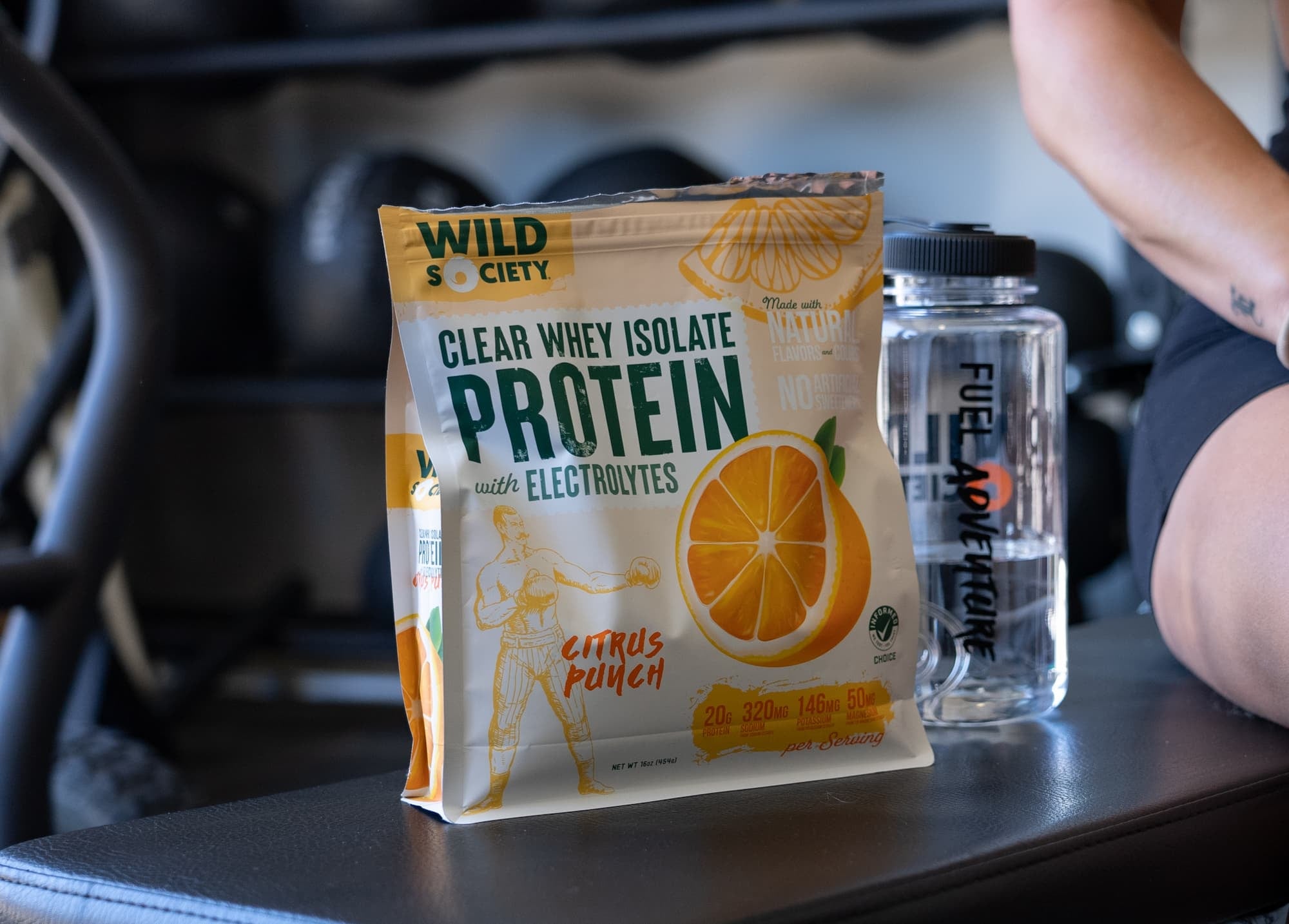
For a powder made with whey isolate, WSN Clear Whey Isolate + Electrolytes provides 20g protein and 90 calories per serving in a clear, fruit-flavored format.

Compare protein per serving using the serving stated on each product. A bottle and a scoop are different package measures, so read their corresponding nutrition rather than assuming the measures are equivalent.
For WSN Protein + Hydration RTD, one 16 fl oz bottle is one serving. It provides 20g whey protein isolate, 100 calories and 0g sugar. Clear Whey powder provides 20g protein and 90 calories per serving.
The matching protein number does not make the formulas identical. It gives you one point of comparison, after which you can assess the other ingredients and the format you prefer.
If electrolytes are part of your buying decision, compare the individual label figures. A combined number hides which minerals contribute to it.
The WSN products give you specific amounts:
These figures describe the products; they are not a reason to assume everyone needs the highest amount of every mineral. Choose the serving and format that fit your preferences. For a prepared bottle with 20g whey protein isolate and individually declared electrolytes, Protein + Hydration RTD is a straightforward option.
Fruit Punch: 20g whey protein isolate | 100 calories | 0g sugar | 240mg sodium / 110mg potassium / 35mg magnesium per 16 fl oz bottle | Contains milk
Protein + Hydration RTD's ingredient panel names water and whey protein isolate, along with ingredients that provide flavor, sweetness and electrolytes. Its declared formula includes:
That information is more useful than inferring the whole formula from “whey isolate.” Apply the same rule to a milk-protein-isolate drink: check whether the formula includes other proteins or ingredients relevant to your preferences.
For WSN's clear format, the protein source and the drink's appearance are separate facts. A clear drink can still contain milk protein. Our guide to clear protein explains that category in more detail.
Lactose is the sugar in milk, while casein and whey are milk proteins. The words “milk protein isolate” or “whey protein isolate” do not, by themselves, establish a finished product's exact lactose amount.
Use the statement for the specific product. WSN Protein + Hydration RTD states 0g lactose per serving. Keep that statement attached to that product and serving, rather than extending it to every whey product or every formula using a dairy isolate.
Health Canada distinguishes lactose intolerance from milk allergy. An allergy involves milk proteins, so a 0g lactose statement does not make either casein or whey suitable for someone with a milk allergy.
Once the ingredient terminology is clear, the next decision is often convenience. A ready-to-drink bottle arrives prepared. A powder gives you multiple labeled servings in a bag.
That distinction can matter more to a purchase than debating protein names in isolation. WSN Protein + Hydration RTD and Clear Whey both use whey isolate, yet they serve different format preferences.

If your main question is how casein and whey differ beyond label terminology, our casein versus whey guide covers that topic. Here, choose the finished product you want to buy using its actual serving information.
A useful comparison should carry every criterion through to the products. Use this checklist to decide which WSN format fits:
For the powder format with a clear drink and individually labeled electrolytes, WSN Clear Whey Isolate + Electrolytes provides 16 servings per bag.
A blend is not automatically better or worse. The term tells you that the formula combines ingredients, but you still need to know which proteins it contains and how much protein the finished serving supplies.
Milk protein isolate contains casein and whey. A blend containing milk protein isolate and added whey is different from one containing whey concentrate and whey isolate. Their shared use of “blend” does not make them nutritionally identical.
Compare the serving and full formula with your preferences. WSN Protein + Hydration RTD names whey protein isolate and provides 20g per bottle, while Clear Whey provides 20g per powder serving. Those declared amounts give you a useful basis for choosing.
No. A whey ingredient name is not a universal statement about the lactose in every finished product. Formulas and serving sizes differ, so use the specific product's current information.
WSN Protein + Hydration RTD states 0g lactose per serving. That is a product-specific fact, not a claim that all whey powders or all milk-protein-isolate drinks have the same amount.
It also remains a milk-protein product. Lactose information helps answer a milk-sugar question; it does not change the allergen source.
There is no single protein product that can be declared best for everyone with lactose intolerance. Start with the actual lactose information for the finished product and your own tolerance, rather than choosing from “milk isolate” or “whey isolate” alone.
Protein + Hydration RTD's product page states 0g lactose per serving, making that a clear piece of product information for a buyer assessing milk sugar. It still contains milk protein and is unsuitable for someone with a milk allergy.
If you are uncertain whether your concern involves lactose or a milk allergy, clarify that distinction with a qualified clinician before using milk-protein products.
Milk protein isolate contains casein and whey; whey isolate identifies the whey portion. Once you understand that difference, let the finished label guide the purchase instead of guessing the drink's composition from the ingredient name.
Choose WSN Protein + Hydration RTD for a prepared 16 fl oz bottle with 20g whey protein isolate, 100 calories and 0g sugar. Choose WSN Clear Whey Isolate + Electrolytes for a powder with 20g protein and 90 calories per serving.
If you would like to try the clear powder format first, the Lemon Lime single-serve pack offers 20g protein and 90 calories in one packet, making a small first purchase easy.
This article is for general informational purposes and isn't medical advice.
Best Sellers
Use this text to share information about your collection with your customers.