You’ve probably looked at a nutrition label and seen the word “Calories” with a capital C. Then maybe you opened a fitness app or read a science article and saw “kcal” instead.
So… are they different? Not really.
But understanding the difference, and what those numbers mean for your body, can help you make smarter decisions around nutrition, recovery, and performance.
If you’ve ever worked with a coach, tracked macros, or tried to improve your workouts without obsessing over dieting, this stuff matters more than people think.
The Short Answer: A kcal and a Calorie Are the Same Thing
In nutrition:
1 kilocalorie (kcal) = 1 Calorie
So if your protein bar says 200 Calories, it also contains 200 kcal.
They’re interchangeable in food and fitness. The confusion comes from science terminology.
Then What’s an Actual “Calorie”?
Technically, a lowercase calorie is a much smaller unit of energy.
A single calorie is the amount of energy needed to raise the temperature of 1 gram of water by 1°C.
That’s tiny. So scientists created a larger unit:
- 1 kilocalorie (kcal) = 1,000 small calories
In nutrition, companies simplify things and label kilocalories as “Calories” with a capital C.
So when you eat a meal with 500 Calories, you’re really consuming 500 kcal, or 500,000 small calories.
Yeah. Nutrition science loves making things confusing.
So What Is a Joule?
Here’s the part most articles skip.
A joule (J) is the standard international unit used to measure energy, work, or heat.
One joule is defined as the amount of energy transferred when a force of one newton moves an object one meter. It is named after 19th-century English physicist James Prescott Joule.
That sounds extremely science-class, but here’s the practical takeaway:
- 1 kcal = 4,184 joules
- 1 kcal = about 4.184 kilojoules (kJ)
That’s why some food labels outside the United States list energy in both Calories/kcal and kilojoules/kJ.
Same energy. Different measurement system.
Why Athletes and Active People Should Care
Most people think Calories are just about weight loss.
That’s a huge oversimplification.
Calories are energy. And if you train hard, energy matters.
Your body uses energy for:
- Lifting weights
- Sprinting
- Recovering
- Building muscle
- Repairing tissue
- Regulating hormones
- Literally staying alive
If you consistently underfuel, performance usually drops before people even notice it on the scale.
That’s one reason athletes working with coaches often stop obsessing over “eating less” and start focusing on nutrient quality, protein intake, recovery, hydration, meal timing, and sustainable energy.
The goal isn’t just fewer Calories. The goal is better fuel.
Not All Calories Feel the Same
From a physics standpoint, a calorie is a unit of energy.
But your body responds very differently depending on where those calories come from.
For example, 300 Calories from ultra-processed snack foods may leave you hungry again in an hour. But 300 Calories from protein, fiber, and healthy fats may keep you full longer and support recovery.
That’s why athletes often prioritize protein, whole-food carbohydrates, hydration, micronutrients, and recovery nutrition instead of just chasing low-calorie foods.
Need help building a stronger protein-first routine? Start here: Wild Society’s Protein-First Lifestyle, Explained.
Where Protein Fits Into the Conversation
Protein is especially important because it helps support muscle recovery, lean mass maintenance, satiety, and performance adaptation.
If you’re training consistently, you generally want your calories doing something useful.
That’s why high-quality protein sources can be helpful additions to a performance-focused routine.
And unlike a lot of “diet foods,” protein tends to help people stay fuller longer — which matters whether your goal is performance, body composition, or simply not raiding the pantry at 9 PM.
For more on this, read: How to Feel Full Longer.
Fuel Smarter: 3 Wild Society Products That Fit the Bigger Picture
Calories are just one part of the performance equation. The quality of those calories matters too. Here are a few Wild Society products that can help you fuel with more intention.
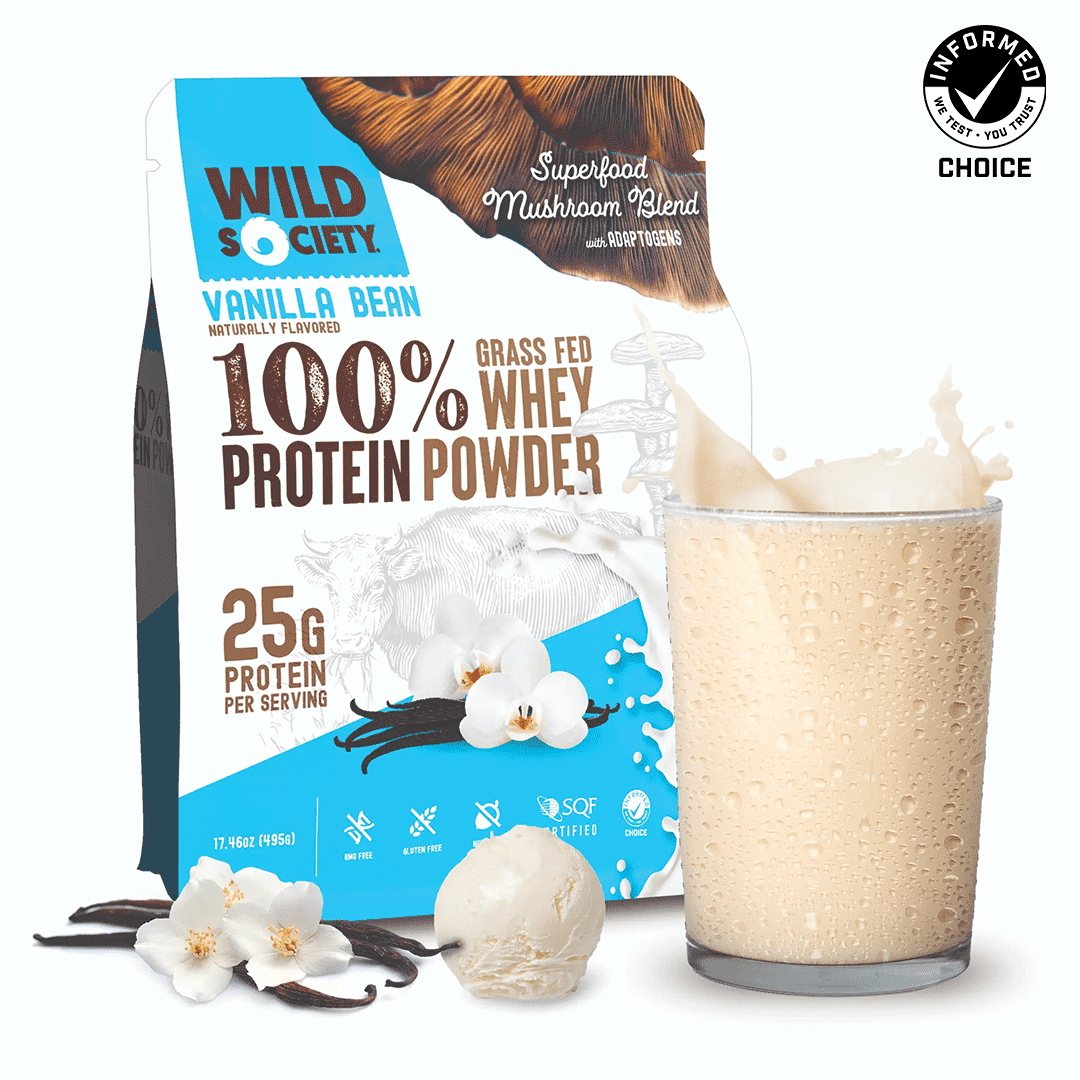
1. Grass-Fed Whey Protein
Wild Society’s Grass-Fed Whey Protein delivers 25g of protein per serving, making it an easy way to support recovery, muscle repair, and daily protein goals.

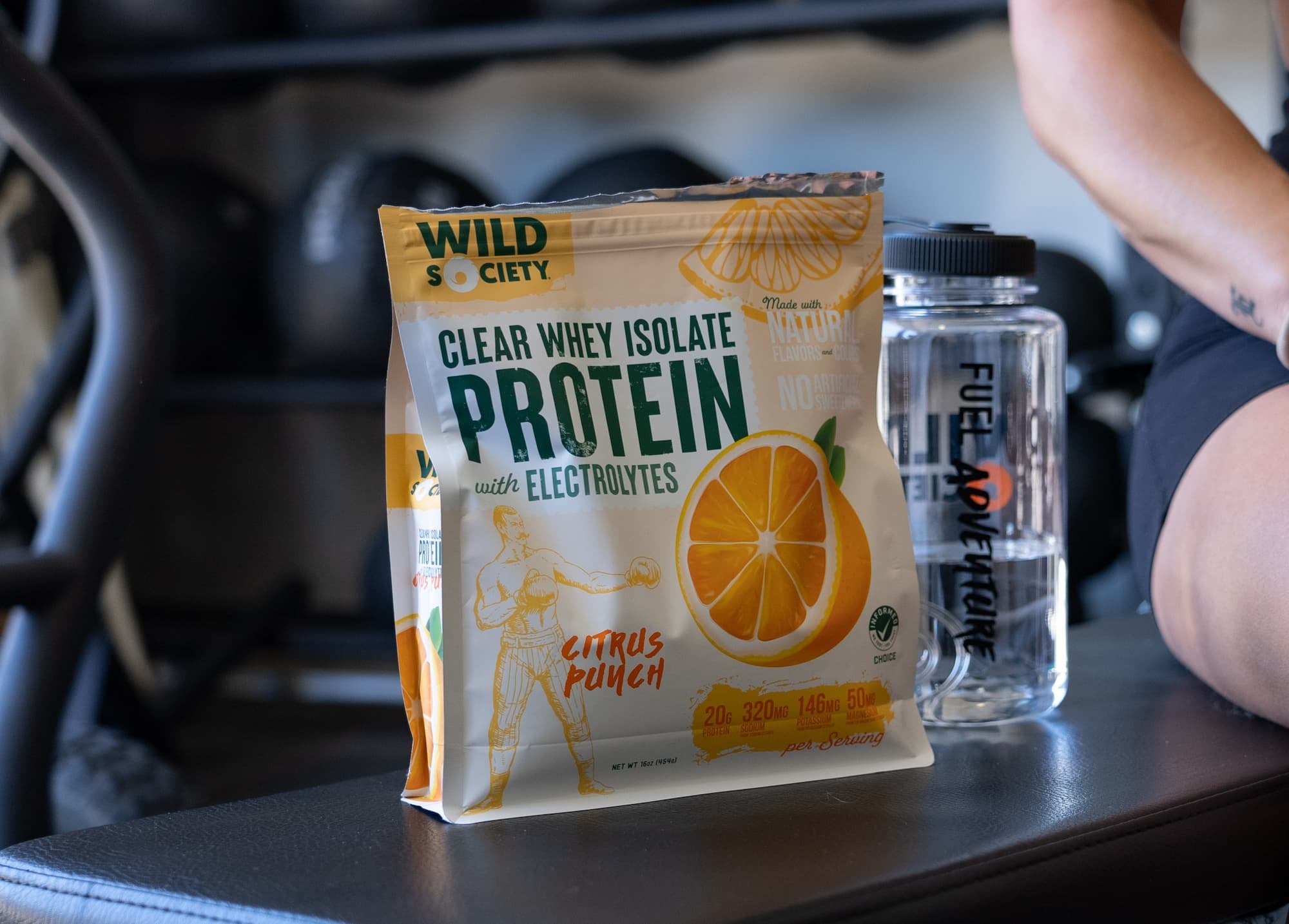
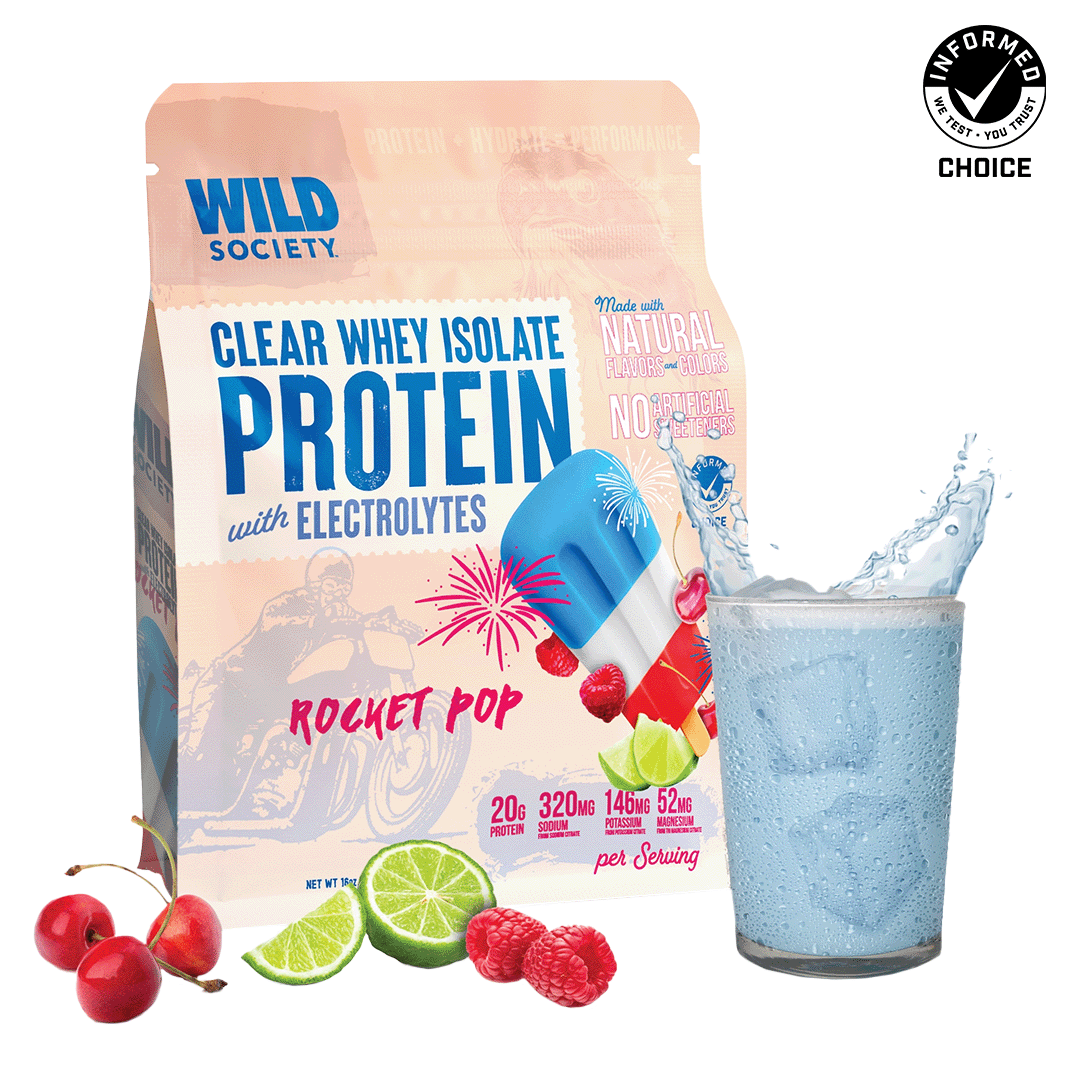
2. Clear Whey Isolate Protein with Electrolytes
If you want protein without the heavier shake texture, Clear Whey Isolate Protein with Electrolytes is a lighter option that combines protein and hydration support.

3. Longevity
Longevity is a daily vitality supplement with protein, collagen peptides, creatine, prebiotic fiber, and additional performance-supporting ingredients. It’s built for people who want to stay strong, mobile, and active as they age.

Calories Aren’t the Enemy
One of the biggest mindset shifts people make when they start training seriously is realizing that food is not just something to “burn off.”
Food is information. Fuel. Recovery material.
You can absolutely overeat. But chronically under-eating while training hard usually catches up with people too.
A good coach doesn’t just ask, “How many calories are you eating?”
They ask:
- Are you recovering?
- Are you performing?
- Are you sleeping well?
- Are you getting enough protein?
- Do you have energy during workouts?
- Are you constantly starving?
That’s the bigger picture.
FAQ: kcal vs Calories
Is kcal the same as Calories?
Yes. In nutrition, 1 kcal equals 1 Calorie with a capital C.
Why do some labels say kcal instead of Calories?
Some countries and scientific resources use the more technically correct term “kilocalorie” or “kcal.” In the United States, food labels usually simplify this to “Calories.”
What is a joule in nutrition?
A joule is the international scientific unit for energy. Food energy can also be measured in kilojoules, or kJ.
How many joules are in a calorie?
One kilocalorie, or kcal, equals 4,184 joules.
Are all calories equal?
From a pure energy standpoint, yes. But different foods affect hunger, recovery, blood sugar, digestion, and performance differently. That’s why food quality still matters.
Final Thoughts
The whole kcal vs calorie debate is mostly a terminology issue.
For nutrition purposes:
- kcal = Calories
- Both measure energy
- Your body needs that energy to function and perform
But the more important conversation is this:
What kind of energy are you giving your body?
Because performance nutrition isn’t just about eating less. It’s about fueling better.
Related Reading
References
Photo by Outcast India on Unsplash