Whey is the stronger choice for muscle support and filling a daily complete-protein gap; collagen has a different amino-acid profile and is studied for more specific outcomes. When comparing collagen protein vs whey protein, choose by your goal rather than treating equal protein grams as interchangeable.
Both ingredients supply amino acids, but they do not supply the same balance. That difference matters when you choose a standalone powder or a formula containing both. Here is a practical comparison of protein quality, research, and the relevant options in the current WSN lineup.
Collagen and whey at a glance
Collagen protein versus whey protein
| Question |
Whey protein |
Collagen peptides |
| Where does it come from? |
Milk |
Animal connective tissues; the source varies by product |
| Is it complete protein? |
Yes; supplies all nine essential amino acids |
No; lacks tryptophan and has a different essential-amino-acid balance |
| What is its main practical role? |
Helping meet protein needs and support muscle adaptation to training |
A targeted ingredient studied for particular connective-tissue and skin outcomes |
| Can the same grams be treated as equivalent? |
Protein quality and dose both matter |
Not a one-for-one whey replacement for muscle-focused use |
| What should you check? |
Serving, source, allergens, and other ingredients |
Source, specific peptide formulation, studied outcome, and product evidence |
“Complete” describes essential-amino-acid coverage. Your body needs those amino acids from food, while it can make others. A powder does not become a better muscle-focused option merely because its protein line is large. The source and amino-acid pattern help explain why whey and collagen can have different effects even when researchers compare similar protein amounts.
Collagen is an important structural protein in the body. Eating collagen, however, is not the same as sending intact collagen directly to a particular joint or patch of skin. Digestion and metabolism sit between the ingredient you consume and any measurable outcome. That is why human studies of a specific outcome matter more than a simple “like supports like” claim.
Why whey is the stronger choice for muscle
Whey provides all nine essential amino acids and is relatively rich in leucine, an amino acid involved in the response to protein intake. Resistance training provides the exercise stimulus; sufficient dietary protein supports the body's adaptation. A whey supplement can help close a protein gap when regular meals do not conveniently cover it.
In a randomized trial in healthy older women, whey produced greater increases in muscle protein synthesis than collagen peptides. The study measured acute and several-day responses, so it should not be presented as a guaranteed long-term muscle result for every reader. It does help explain why the two protein sources should not be treated as equivalent for muscle-focused use.
A separate postexercise study in recreational athletes also distinguished muscle protein from muscle connective-protein synthesis. Whey stimulated the muscle protein response, while neither supplement further increased the measured muscle connective-protein synthesis during the early recovery period. That finding cautions against assuming that collagen automatically improves every connective-tissue outcome after a workout.
In practice, build your routine around adequate complete protein and consistent training. Whey is a convenient option, not a replacement for training or a varied diet. For the differences between whey formats, see whey isolate versus concentrate. Both can contribute complete protein; the label and your preferred preparation help determine the fit.
What the collagen evidence can and cannot tell you
Collagen studies often examine a particular peptide ingredient, dose, participant group, and outcome. A finding about one joint-related measure does not automatically establish a benefit for skin, hair, muscle, or every product containing collagen. Read the question the study actually tested before translating it into a shopping decision.
For skin, evidence quality and funding deserve attention. A 2025 systematic review and meta-analysis of randomized trials found that the apparent benefits were not consistent when the authors separated studies by quality and funding. That uncertainty belongs in the discussion: collagen should not be described as a guaranteed way to reverse skin aging.
For joint or connective-tissue goals, distinguish general interest in an ingredient from treatment of a condition. A supplement is not a substitute for assessment of persistent pain or a rehabilitation plan. When you and your clinician consider a product, the relevant question is whether its exact ingredient and intended use match the evidence you are relying on.
These limits do not mean collagen and whey must compete for the same role. They mean the decision should be specific. Use whey when the priority is a complete-protein foundation. If you are considering a collagen-containing blend, assess the complete formula and the purpose of each ingredient rather than assuming the collagen portion performs the same job as whey.
Can you take collagen protein and whey protein together?
They can be included in the same diet or formula if the ingredients suit you. Combining them does not make their protein contributions identical. Count the total protein in the product, but keep the source breakdown in view when the reason for using it is muscle support. A blend's total protein should not be described as if it all comes from whey.
A randomized trial published in the March 2025 issue of Medicine & Science in Sports & Exercise studied a different blend: 25g whey plus 5g collagen. Compared with a noncaloric placebo, it increased muscle protein synthesis at rest and after exercise, and muscle connective protein synthesis at rest, but not significantly after exercise. This short-term study in young men did not compare the blend with whey alone or test WSN Longevity, so it does not establish superior long-term results for the product.
WSN Longevity is an example of a combined formula: its formulation includes 20g whey isolate and a 10g collagen matrix, with 30g total protein and 5g creatine monohydrate per serving. The 30g total is not 30g whey. The published Supplement Facts panel lists 30g protein, two 5g collagen-peptide ingredients, and 5,000mg creatine monohydrate, making Longevity an option for readers seeking those ingredients in one formula.
Choose a blend because its full formulation fits your intended routine. A person who only wants a simple protein addition may prefer a dedicated whey powder; someone specifically looking for the combined formula can compare the serving, other ingredients, and instructions for Longevity. See our creatine and longevity guide for the separate creatine discussion.
What the research measures for each goal
A useful collagen-versus-whey comparison separates the outcome you care about from the outcome a study measured. Building muscle over months, making new muscle protein during several hours, and reporting less discomfort are different endpoints. A positive result for one does not automatically answer the others.
Read the evidence by outcome
| Your question |
Relevant evidence |
What that means for choosing |
| Which supports muscle protein synthesis? |
Direct trials comparing whey and collagen favor whey for this outcome |
Use complete-protein quality as the starting point for a muscle-focused supplement |
| Can collagen help activity-related joint discomfort? |
Some trials assess specific collagen preparations over weeks or months |
Check the studied preparation and outcome; do not treat every blend as the tested product |
| Does collagen improve skin? |
Study quality and funding affect confidence in the overall findings |
Avoid guaranteed cosmetic claims |
| Does combining whey and collagen improve every result? |
A blend trial compared a particular ratio with placebo, not whey alone |
Choose by the full formula, not a claim that adding collagen always improves whey |
Muscle: amino acids and training work together
Complete-protein quality matters because muscle protein synthesis requires essential amino acids, not just a total gram count. Whey's amino-acid profile makes it a practical way to add complete protein. That does not mean every person needs a powder or that taking one replaces resistance training. Decide whether meals already provide what you need, then use a whey format that makes the remaining gap easier to fill.
The trials linked above provide a biological reason to distinguish whey from collagen, but short-term synthesis is not a forecast of exactly how much muscle you will gain. The relevant shopping conclusion is narrower: collagen should not be counted as an identical replacement for a whey serving when the main purpose is muscle support. For that purpose, WSN's dedicated options are Grass-Fed Whey and Clear Whey Isolate.
Joints: a symptom outcome is different from tissue repair
In a 24-week randomized trial of collagen hydrolysate, researchers reported improvements in several joint-pain measures compared with placebo in athletes with activity-related discomfort. Data from 97 of the 147 recruited participants could be statistically evaluated. The study involved a specific formulation and did not establish that collagen repairs cartilage or that any WSN product produces the same result.
This kind of study asks a different question from the short-term connective-protein-synthesis experiments. A symptom measure and a tissue-synthesis measure can both be informative without being interchangeable. Persistent pain still deserves an assessment; a product choice should follow a clear goal and relevant evidence rather than a promise that one protein treats a joint problem.
Skin: distinguish a possible effect from a guarantee
For a cosmetic goal, ask whether the studies measured hydration, elasticity, or another defined endpoint, and whether the effect remained convincing in higher-quality research. A claim about skin is not evidence about hair growth, nails, or muscle. The 2025 review discussed above is a reason to keep claims specific and expectations proportionate, rather than turning a broad collagen trend into a guaranteed outcome.
How to read a combined-protein label
Read a blend in three layers: total protein, the sources that make up that total, and the other active ingredients. WSN Longevity lists 30g total protein, with a formulation of 20g whey isolate and a 10g collagen matrix. Its 5g creatine monohydrate is a separate ingredient, not another 5g of protein. Adding those numbers together and calling the result 35g protein would be incorrect.
Likewise, the two 5g collagen-peptide ingredients on the Supplement Facts panel make up the collagen matrix; they are not additional collagen on top of it. This distinction matters when comparing a blend with a dedicated whey powder. Keep each label's source breakdown intact and choose the combination deliberately with Longevity.
For example, someone looking only for a creamy protein addition can start with Grass-Fed Whey. Someone who prefers a light drink can choose Clear Whey. Someone specifically interested in a combined whey, collagen, and creatine formula can examine Longevity's full ingredient panel. Those are different product decisions, rather than a universal ranking of which ingredient is “better.”
Choose a WSN protein for your goal
Match the format to the job
| Your priority |
WSN option |
Specific reason to consider it |
| A creamy shake or compatible food recipe |
Grass-Fed Whey Protein |
25g protein per serving; Vanilla Bean and Dutch Chocolate formats |
| A light, fruit-flavored drink mixed with water |
Clear Whey Isolate |
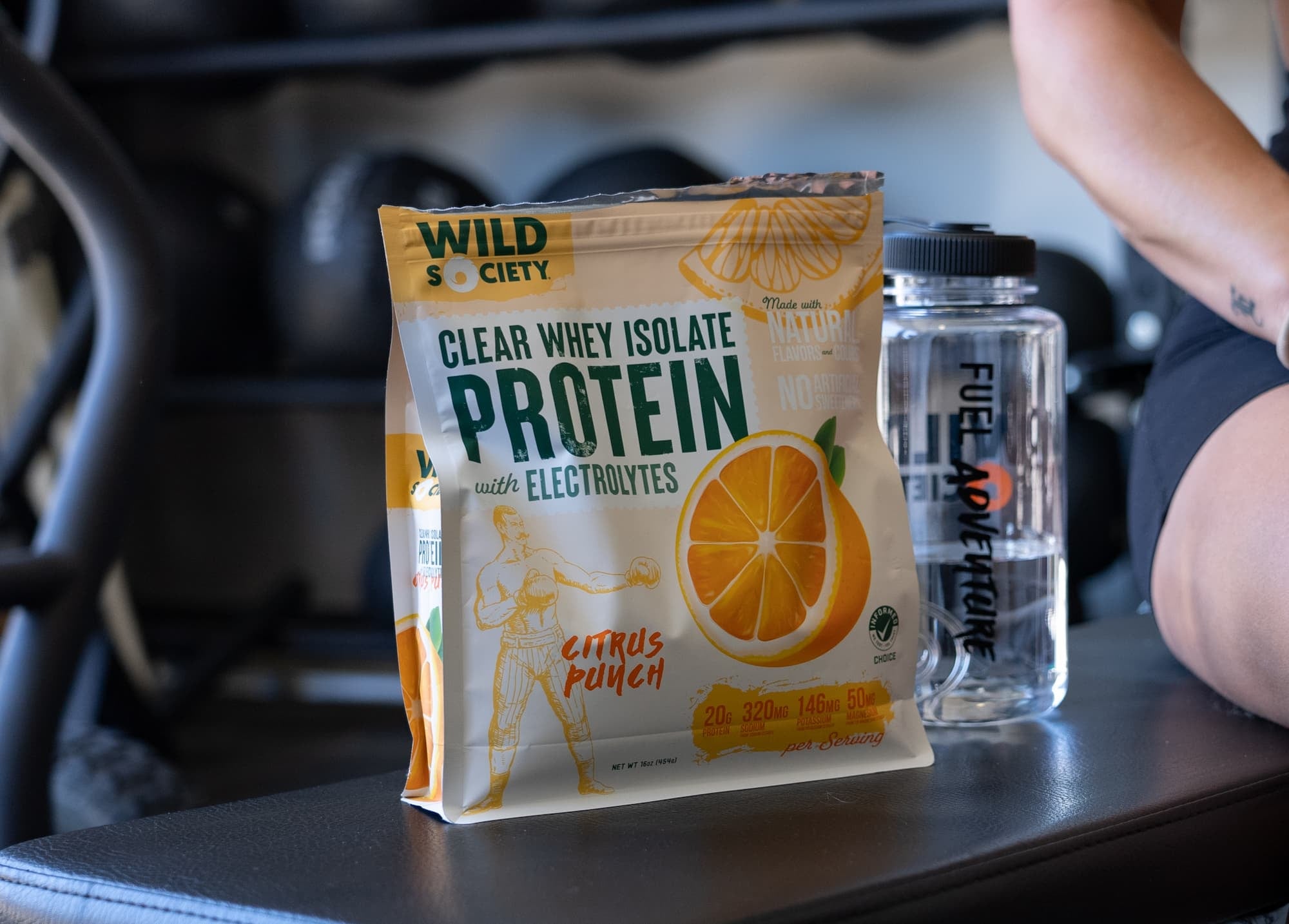
20g protein per serving with added electrolytes |
| A bottle that needs no mixing |
Protein + Hydration RTD |
20g whey protein isolate per 16 fl oz bottle |
| A combined whey, collagen, and creatine formula |
Longevity |
30g total protein, 10g collagen matrix, and 5g creatine monohydrate per serving |
For everyday muscle-focused use, the first decision is usually the format you enjoy. Grass-Fed Whey suits creamy vanilla or chocolate preparations. Clear Whey offers a different texture and flavor experience while still supplying whey protein isolate. Learn more about the latter in our whey protein isolate guide.
Both whey powder types contain milk protein. Lower lactose content does not make whey suitable for someone with a milk allergy. If you have dietary restrictions, read the full ingredient and allergen information before choosing. A collagen product also needs a source check because bovine, marine, and other sources do not fit every dietary preference.
For a no-mixing option, Protein + Hydration RTD provides 20g whey protein isolate and 100 calories per bottle. Its published label lists 240mg sodium, 110mg potassium, and 35mg magnesium individually. It is a ready-to-drink whey format, not a collagen replacement or a complete meal. Match that convenience to the place a bottle would have in your routine.

Shop Longevity
30g total protein: 20g whey isolate + 10g collagen matrix • 5g creatine monohydrate per serving
Collagen and whey questions
Is collagen protein as good as normal protein?
“Normal protein” is too broad to make a useful comparison. Collagen is protein, but it is not complete protein and does not match whey's essential-amino-acid profile. For muscle support and a general complete-protein gap, whey is the clearer choice. For a collagen-specific goal, assess the evidence for that ingredient and outcome rather than assuming all protein powders are equivalent.
What is the downside to taking collagen?
The main limitation in this comparison is expecting collagen to do the same job as a complete protein. The ingredient source, other ingredients, cost, and individual tolerance also matter. Keep expectations tied to evidence, and do not let a supplement displace varied foods. If you want a combined product, review all the ingredients and intended role of the blend.
Does collagen shrink belly fat?
No supplement should be expected to selectively remove fat from the abdomen. Collagen is not a targeted fat-loss treatment, and a whey supplement is not one either. Body-composition changes depend on a wider pattern of energy intake, activity, training, and individual factors. Choose protein products for the nutritional role they fill rather than a promise to reduce one body area.
Why do doctors say no to whey protein?
There is no universal medical recommendation against whey. Advice depends on the person's needs, milk allergy, health conditions, medications, and diet. If a clinician has advised you to limit protein or avoid a product, ask about that specific recommendation. General nutrition guidance cannot determine whether a particular formula is appropriate for your individual situation.
What to avoid while taking collagen?
Avoid assuming that “collagen” describes a whole product's safety or purpose. Check the source and any added ingredients, and consider overlaps with other supplements you already use. If you take medication or follow a medical nutrition plan, review the exact formula with your clinician or pharmacist. There is no single universal list that applies to every collagen-containing product.
For a complete-protein foundation, start with the preparation you want from Grass-Fed Whey or Clear Whey Isolate. When the combined formula is the goal, compare the source breakdown and full label of Longevity.
This article is for general informational purposes and isn't medical advice.