Sore muscles after a workout are normal, especially after tough training sessions, new exercises, or increasing intensity.
The good news? There are several simple things that can help reduce soreness, improve recovery, and get you feeling better faster.
Recovery isn’t just about comfort. It’s part of performance.
In this guide, we’ll break down:
- Why muscles get sore after workouts
- What actually helps recovery
- The best foods and drinks for sore muscles
- Common recovery mistakes
-
How to support recovery without overcomplicating it
What Helps Sore Muscles After a Workout?
The best recovery strategies usually include a combination of:
- Hydration
- Protein
- Light movement
- Sleep
- Mobility work
- Time
While soreness can’t always be eliminated completely, these habits can help your body recover more efficiently.
Why Do Muscles Get Sore After Exercise?
Post-workout soreness, often called DOMS (Delayed Onset Muscle Soreness) typically happens when muscles experience small amounts of stress and microscopic damage during exercise.
This is especially common after:
- Strength training
- High-intensity workouts
- Running downhill
- Returning after time off
- Trying new movements
Soreness usually peaks around 24–72 hours after exercise.
What Actually Helps Muscle Soreness?
10 Practical Recovery Tips
-
Hydrate consistently
Muscles function better when properly hydrated. Electrolytes can also help replace minerals lost through sweat.
-
Eat enough protein
Protein provides amino acids your body uses to repair muscle tissue.
-
Get quality sleep
A huge amount of recovery happens during sleep.
-
Keep moving lightly
Walking, mobility work, or light cycling can improve circulation and reduce stiffness.
-
Stretch tight areas gently
Mobility work may help you feel less stiff the next day.
-
Don’t skip recovery nutrition
Recovery starts after training, not the next day.
-
Use heat or contrast therapy if it helps you
Warm showers, heating pads, or contrast showers may temporarily improve comfort.
-
Avoid doing “all out” workouts every day
Your body needs recovery time to adapt.
-
Progress gradually
Sudden increases in intensity often create excessive soreness.
-
Stay consistent
Ironically, regular exercise often reduces soreness over time.
What Are the Best Foods and Drinks for Sore Muscles?
Recovery nutrition matters more than many people realize.
After workouts, your body benefits from:
- Protein
- Fluids
- Electrolytes
- Carbohydrates
| Recovery Option |
Why It Helps |
Best For |
| Protein shake |
Supports muscle repair |
Strength training recovery |
| Electrolyte drink |
Supports hydration |
Heavy sweat loss |
| Protein + hydration RTD |
Combines recovery + hydration |
Post-workout convenience |
| Whole food meal |
Balanced nutrients |
Longer recovery support |
Questions to Ask Yourself
If your soreness feels excessive or keeps lingering, ask yourself:
- Am I eating enough protein?
- Am I drinking enough fluids?
- Did I suddenly increase workout intensity?
- Am I sleeping enough?
- Am I recovering between sessions?
- Am I doing too much high-intensity work?
Often, soreness is less about one workout and more about recovery habits overall.
Does Protein Help Sore Muscles?
Yes, protein helps support muscle recovery after exercise.
When you train, your muscles use amino acids to repair and rebuild tissue. Getting enough protein consistently can help support that process.
Grass-Fed Whey Protein
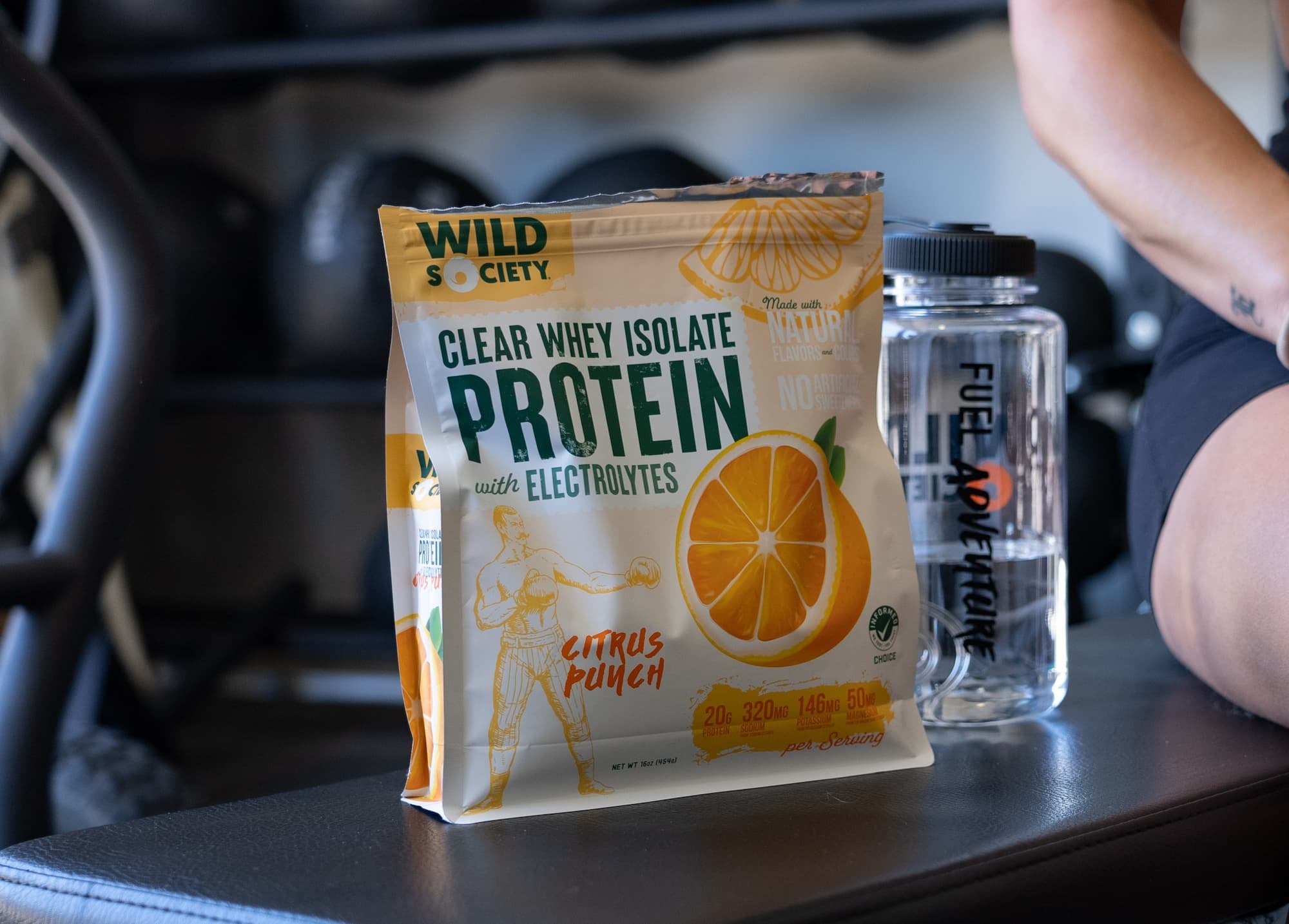
A quality whey protein can be an easy way to support post-workout recovery, especially for people with higher protein goals.

Do Electrolytes Help Muscle Recovery?
They can, especially after intense sweating.
Electrolytes like sodium, potassium, and magnesium help support fluid balance and muscle function.
If you train hard, sweat heavily, exercise in the heat, or feel especially depleted after workouts, hydration support may help recovery.

Protein + Hydration RTD
For people who want both hydration and protein support in one option, clear whey RTDs offer a lighter, more refreshing alternative to traditional shakes.

What Most People Get Wrong About Recovery
- They ignore hydration
- They under-eat protein
- They don’t sleep enough
- They train hard every single day
- They think soreness always means progress
Recovery is part of training, not separate from it.
When Is Muscle Soreness Not Normal?
Normal soreness should gradually improve within a few days.
You should seek medical attention if you experience:
- Severe swelling
- Sharp pain
- Dark urine
- Loss of function
- Soreness lasting unusually long
- Signs of injury
FAQs: What Helps Sore Muscles After Workout?
How long should muscle soreness last?
Most soreness improves within 24–72 hours.
Should I work out when sore?
Light movement is often okay, but extremely sore muscles may need more recovery time.
Does drinking water help sore muscles?
Proper hydration supports muscle function and overall recovery.
What helps sore legs after workouts?
Hydration, light movement, sleep, protein, and gentle mobility work can all help.
Do protein shakes help muscle soreness?
Protein supports muscle repair and recovery after exercise.
Final Take
Sore muscles after workouts are normal, especially when you’re training hard or pushing into new territory.
The key isn’t eliminating soreness completely. It’s supporting recovery so your body can adapt, rebuild, and perform better over time.
Focus on the basics:
- Hydration
- Protein
- Sleep
- Recovery nutrition
- Consistency
Simple habits done consistently usually work better than complicated recovery routines.
Resources
Photo by Edagar Antoni Ann on Unsplash