Yes, milk can actually be very hydrating.
That surprises a lot of people because most of us think of hydration as just water. But hydration is really about helping your body absorb and retain fluids, and milk checks a lot of those boxes.
In this guide, we’ll break down:
- Whether milk is hydrating
- Why milk may help with hydration
- How milk compares to water and sports drinks
- When milk is a good hydration choice
- A simple post-workout smoothie recipe
Is Milk Hydrating?
Yes. Milk contains several things that support hydration:
- Water
- Electrolytes like sodium and potassium
- Natural carbohydrates
- Protein
Because of this combination, milk may help your body retain fluids longer than plain water in some situations.
One often-cited study from the University of St Andrews found that milk produced strong hydration responses compared to many common beverages. That doesn’t mean milk replaces water completely, but it does mean milk can contribute to your daily hydration.
Why Is Milk So Hydrating?
Hydration isn’t just about how much fluid you drink. It’s also about how well your body retains and uses that fluid.
Milk naturally contains:
-
Sodium: helps retain fluids
-
Potassium: supports fluid balance
-
Carbohydrates: help replenish energy
-
Protein: supports recovery and slows digestion slightly
This combination can help fluids stay in the body a bit longer compared to plain water alone.
Is Milk More Hydrating Than Water?
Water is still the gold standard for everyday hydration. But in certain situations, especially after exercise, milk may provide additional recovery benefits.

When Is Milk a Good Choice for Hydration?
Milk can be especially useful when hydration and recovery overlap.
Questions to Ask Yourself
If you’re wondering whether milk fits your hydration routine, ask yourself:
- Am I trying to recover after exercise?
- Do I also need some protein?
- Am I looking for something a bit heavier than water?
- Does dairy work well for my digestion?
If the answer to several of these is yes, milk may be a great fit.
What About Chocolate Milk?
Chocolate milk has actually become popular in sports nutrition because it contains:
- Fluids
- Electrolytes
- Protein
- Carbohydrates
That combination can support both hydration and muscle recovery after training.
The downside? Many versions contain a lot of added sugar.
That’s why many people now make their own higher-protein smoothies instead.
Simple Hydration Smoothie Recipe
Post-Workout Milk Smoothie
- 12 oz milk of choice
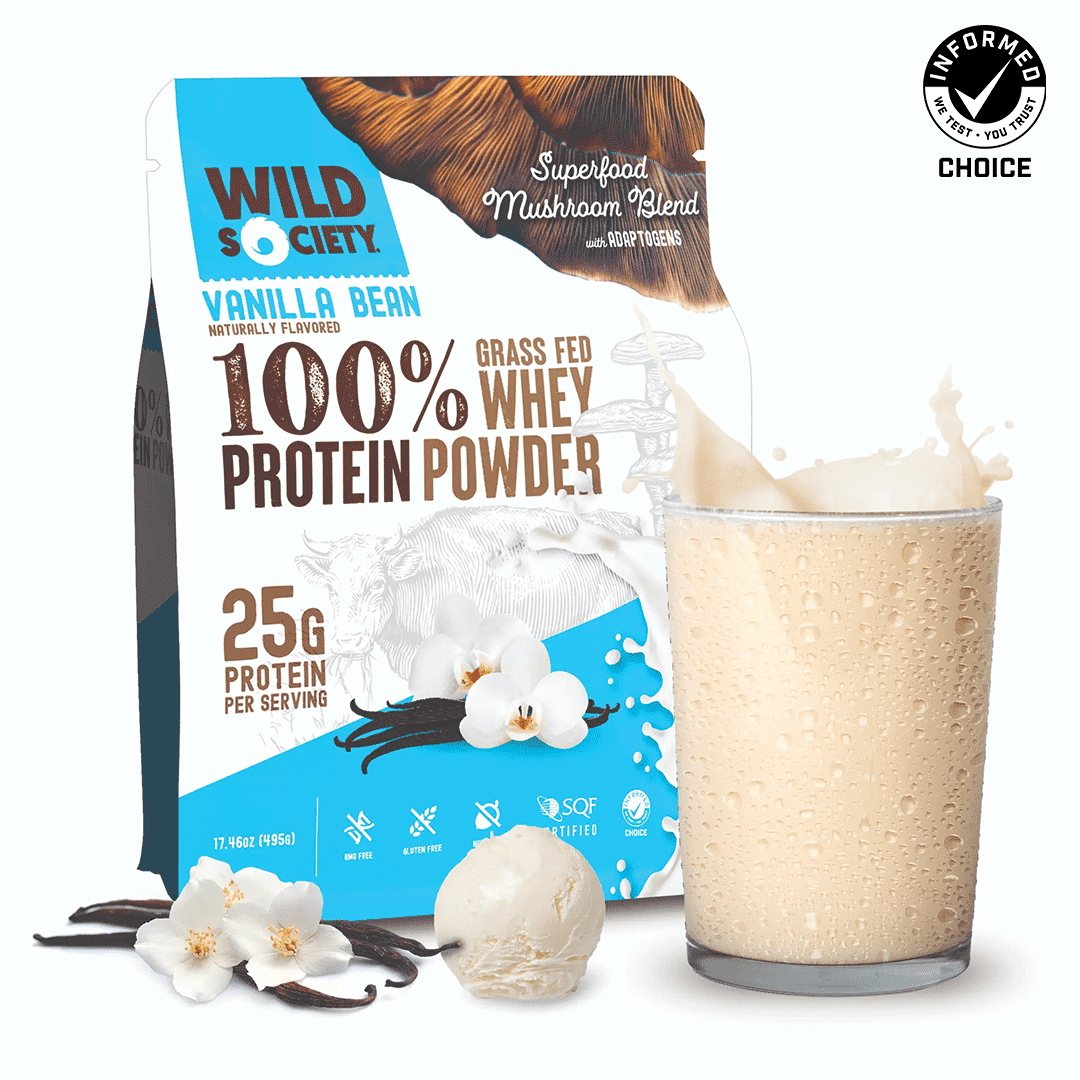
- 1 scoop Wild Society Nutrition Grass-Fed Whey
- 1 banana
- Ice
- Optional: cinnamon or peanut butter
Blend until smooth.
This gives you:
- Fluids
- Electrolytes
- Protein
- Carbohydrates for recovery

When Milk is Too Heavy: Protein + Hydration RTD
What about when you don't feel like drinking milk? This is a big problem when it comes to the all-important post-workout recovery timeframe.
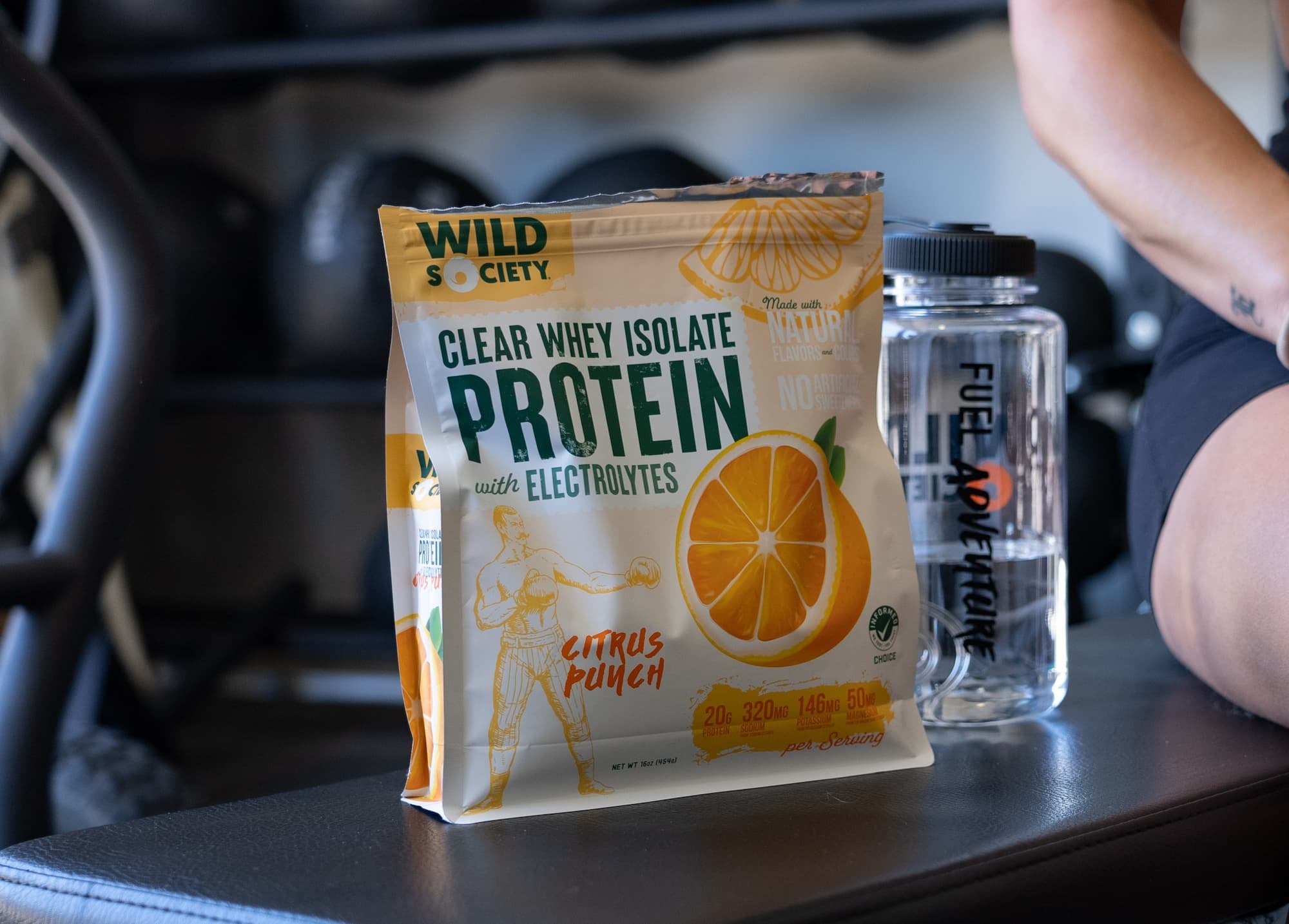
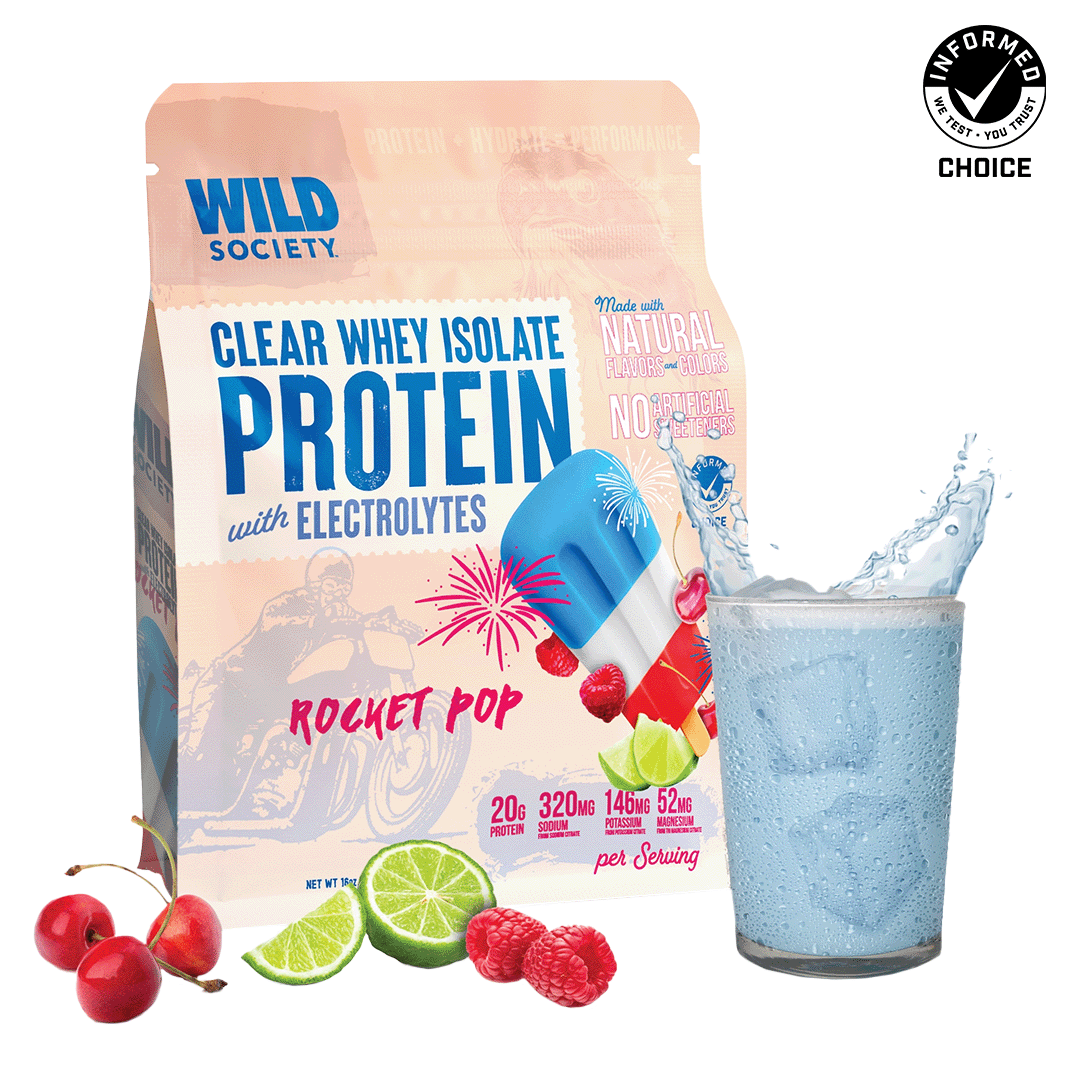
While milk is a naturally-hydrating recovery beverage, our Protein + Hydration RTD takes that concept further by increasing protein (about double the amount in milk) and targeting specific electrolytes for active lifestyles.
Our clear whey RTD combines hydration support with high-quality protein in a lighter, more refreshing format than milk or traditional shakes.

FAQs: Is Milk Hydrating?
Is milk better than water for hydration?
Not necessarily better overall, but milk may help your body retain fluids longer in some situations because it contains electrolytes, carbohydrates, and some protein.
Is milk hydrating after exercise?
Yes. Milk can support both hydration and recovery after workouts.
Can milk replace electrolyte drinks?
Sometimes. During heavy sweat loss or endurance exercise, dedicated electrolyte products are beneficial.
Does skim milk hydrate better than whole milk?
Both can support hydration. Lower-fat milk may digest slightly faster for some people.
What if dairy bothers my stomach?
Lactose-free milk or other hydration options may work better depending on your tolerance.
Final Take
Milk is more hydrating than many people realize.
Because it naturally contains fluids, electrolytes, carbohydrates, and protein, it can be a strong option for both hydration and recovery, especially after exercise.
It doesn’t replace water completely, but it can absolutely be part of a smart hydration strategy.
And when combined with high-quality whey protein, milk can become a simple, effective recovery tool that supports hydration, muscle repair, and performance all at once.
Resources
Photo by Elizabeth Dunne on Unsplash
Photo 2 by Sandra Seitamaa on Unsplash