Yes, dehydration can absolutely cause headaches.
In fact, even mild dehydration can affect blood flow, electrolyte balance, and brain function enough to trigger headache symptoms in some people. If you’ve ever had a headache after a workout, a long day outside, travel, or simply forgetting to drink enough water, dehydration may be the reason.
The good news? In many cases, dehydration headaches improve quickly once you properly rehydrate and replenish electrolytes.
In this guide, we’ll break down:
- Why dehydration causes headaches
- How to tell if dehydration is the problem
- Common symptoms to watch for
- The best drinks for dehydration headaches
- When a headache may be something more serious
Why Does Dehydration Cause Headaches?
Your brain depends on proper fluid balance to function normally.
When you become dehydrated, your body loses water and electrolytes through sweat, breathing, digestion, and normal daily activity. This can reduce blood volume and temporarily affect the way oxygen and nutrients reach the brain.
Researchers believe dehydration headaches may happen because:
- Blood vessels temporarily narrow
- Electrolyte imbalances affect nerve signaling
- The brain temporarily contracts slightly from fluid loss
- Reduced circulation affects oxygen delivery
The result can feel like:
- A dull ache
- Pressure around the forehead
- Fatigue with head pain
- A throbbing headache that worsens with movement
What Does a Dehydration Headache Feel Like?
Not every headache is caused by dehydration, but dehydration headaches often come with a few additional clues.
Common Symptoms of a Dehydration Headache
- Thirst
- Dry mouth
- Dizziness
- Fatigue
- Dark yellow urine
- Muscle cramps
- Brain fog
- Worsening headache during exercise or heat
Many people also notice their symptoms improve fairly quickly after drinking fluids and electrolytes.
Questions to Ask Yourself When You Have Headache
If you’re trying to figure out whether dehydration may be causing your headache, ask yourself:
- Have I had enough fluids today?
- Did I sweat heavily during exercise?
- Have I been outside in the heat?
- Did I skip meals or electrolytes?
- Is my urine darker than normal?
- Did I drink alcohol recently?
- Have I been traveling or flying?
If several of these apply, dehydration could very likely be contributing.
How to Relieve a Dehydration Headache
Most mild dehydration headaches improve with proper hydration and recovery.
5 Things That Can Help
-
Drink water slowly and consistently
Avoid chugging huge amounts at once.
-
Replace electrolytes
Sodium, potassium, and magnesium help your body actually retain and use fluids.
-
Move to a cooler environment
Especially if heat or exercise contributed to fluid loss.
-
Eat something with carbohydrates and protein
This can help restore energy and improve recovery.
-
Rest briefly
Sometimes your nervous system simply needs a reset.
What’s the Best Drink for a Dehydration Headache?
Water helps but in many cases, electrolytes help even more.
If you’ve lost fluids through sweat, exercise, heat exposure, illness, or travel, replenishing sodium and other electrolytes can support faster recovery.
| Drink |
Best For |
Notes |
| Water |
Mild dehydration |
Good starting point |
| Electrolyte drink mix |
Sweat loss & workouts |
Helps replenish sodium & minerals |
| Clear whey protein RTD |
Post-workout recovery |
Hydration + protein support |
| Coconut water |
Light hydration support |
Naturally contains potassium |
Products That Support Hydration & Recovery
Wild Society Electrolyte Drink Mix
If you train hard, sweat heavily, travel often, or simply struggle to stay hydrated consistently, an electrolyte formula can help support fluid balance and recovery.

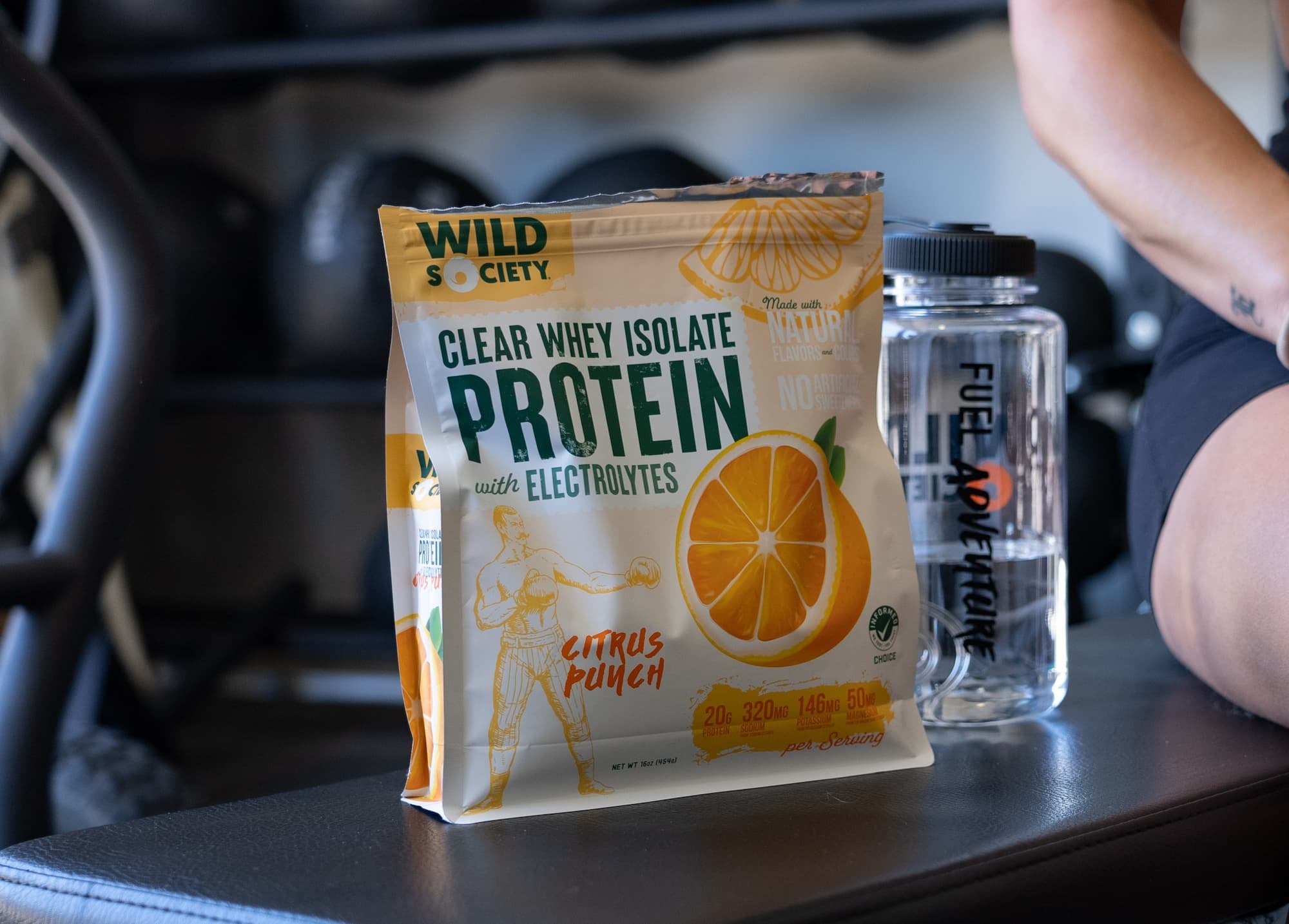
Protein + Hydration Clear Whey RTD
Our clear whey RTD combines hydration support with high-quality protein in a lighter, more refreshing format than traditional shakes, making it a great option after workouts or long days in the heat.

When Is a Headache More Serious?
Not all headaches are caused by dehydration.
According to the Cleveland Clinic you should seek medical attention if your headache is:
- Severe or sudden
- Accompanied by confusion
- Associated with dizziness or fainting
- Paired with fever or neck stiffness
- Persistent despite hydration
- Associated with neurological symptoms
- Paired with nausea or vomiting
- Accompanies by vision problems
- Paired with a rapid heart rate (over 120 beats per minute at rest in adults)
FAQs: Does Dehydration Cause Headaches?
How much dehydration causes a headache?
Research suggests even mild dehydration, around 1–2% fluid loss, can trigger symptoms in some people.
How long does a dehydration headache last?
Mild dehydration headaches often improve within 30 minutes to a few hours after proper hydration.
Can electrolytes help headaches?
They can if electrolyte imbalance or sweat loss contributed to the dehydration.
Is coffee good or bad for dehydration headaches?
Moderate caffeine may help some headaches, but too much caffeine can contribute to dehydration in certain situations.
Can dehydration trigger migraines?
Yes. Dehydration is considered a common migraine trigger for some individuals.
Final Take
Yes, dehydration can cause headaches, and it’s more common than most people realize.
The key is recognizing the signs early and supporting your body with proper fluids, electrolytes, and recovery nutrition before symptoms get worse.
If you train hard, spend time in the heat, travel frequently, or simply struggle to drink enough fluids consistently, building better hydration habits can make a noticeable difference in your energy, recovery, and overall performance.
Resources
Photo by Rozan Naufal on Unsplash