You’ve had a long day and now you finally have a clear hour to hit your workout. It’s tempting: “I’ll just squeeze in a session before bed.” But then the question: “Is it bad to workout before bed?”
Short answer: It depends.
Depending on timing, intensity, your body, and your recovery strategy, working out before bed can be fine. Or it could hamper your sleep, recovery, and next-day performance.
In this article we’ll cover:
-
What the research says about evening workouts
-
Benefits (yes, there are) and caveats
-
Practical guidelines for making a pre-bed workout work
-
How Wild Society Nutrition products can support recovery if you’re training late
-
Bottom line: how to decide what’s right for you
What the Research Says
The Benefits of Working Out at Night
Working out later in the day has its perks: your body temperature, muscle strength and performance often peak in the afternoon/evening. A review titled “The body clock and athletic performance” states: “It is generally established that peak short-term maximal performance is achieved in the afternoon/evening at about the time when body temperature is at its circadian peak (1).”
Also, for many people with busy days, evening workouts offer greater consistency, less scheduling conflict, and can serve as a stress-release after a long day (2).
Interestingly, evening workouts may improve sleep quality for some. A summary article by Harvard Health Publishing says: “Evening exercise not only did not affect sleep, it seemed to help people fall asleep faster and spend more time in deep sleep (3).”
Is It Bad to Workout Before Bed: Maybe
Despite the benefits, there are real issues if you train too hard or too late.
-
Intense workouts raise heart rate, adrenaline, body temperature and nervous system activation, all things that can delay sleep onset. Recent reporting suggests high-intensity workouts within ~3–4 hours of bedtime may impair sleep quality (4).
-
Some research recommends waiting at least 1–2 hours (or more) after a moderate/vigorous workout before bed (5).
-
Everyone’s response is individual: some people can train right before bed with no issues while others struggle.
So… Is It “Bad to Workout Before Bed”?
Short answer: Not inherently, but it can be, depending on your circumstances.
When It Works
-
You finish with moderate intensity or a lighter session (yoga, mobility, body-weight) 1.5-3 hrs before bed.
-
You have good sleep habits, a comfortable environment, and an unwinding routine.
-
You prioritize recovery: protein, hydration, cool-down, low screen time, etc.
-
Your body tolerates it and you feel good the next day.
When It Might Not Work
-
You crush a high-intensity workout (HIIT, sprinting, heavy lifting) then go straight to bed.
-
Your body temperature is still elevated at bedtime.
-
Your sleep onset is delayed, your rest is shallow, or you’re waking up fatigued.
-
Recovery (nutrition, hydration, wind-down) is neglected.
Key Variables to Pay Attention To
-
Timing: How many hours before bed you finish your workout. Many experts suggest 2+ hours for high intensity.
-
Intensity & Type of workout: The harder you push, the more you need wind-down time.
-
Cool-down / wind-down: Doing mobility/stretching, lowering your heart‐rate, and calming your mind helps.
-
Recovery support: Nutrition (especially protein), hydration, restful environment all matter.
-
Your individual response: Track how you feel, how you sleep, and how you perform the next day.
How to Make Late-Night Workouts Work
Here’s a step-by-step guide to setting up a late workout so you maximize the benefits and minimize the risks.
-
Schedule smartly: Try to finish your workout 1-3 hours before your planned bedtime. If you’re doing a heavy lift or HIIT, aim at the longer side (2-3 hrs).
-
Choose appropriate intensity: If you’re very close to bedtime, lean toward moderate or lighter intensity (mobility, strength at moderate load, dynamic stretching) instead of max-effort.
-
Cool down and transition: After your workout include at least 5-10 min of light cardio, then 5-10 min of stretching or foam-rolling, then 5 min of relaxing breathing or stretching.
-
Refuel/Recover:
-
After your workout: get quality protein and some carbs to support recovery and replenish glycogen.
-
Hydration is critical: exercising late may shift your fluid balance before bed.
-
Support restful sleep: lower lights, reduce screen time, create a cool, dark environment.
-
Leverage the right supplement support: This is where Wild Society Nutrition comes in, see the next section for product suggestions specific to late workouts.
-
Track and adjust: Note how you sleep, how you feel next morning, workout performance, and mood. If you consistently sleep poorly or wake fatigued, shift your timing or intensity earlier.
-
Wind-down ritual: After your cool-down, incorporate a brief wind-down: stretching, deep breathing, herbal tea, reading. This signals to your body it’s bedtime. Avoid stimulants like caffeine and blue-light screens.
Wild Society Nutrition Support for Late Workouts & Recovery
If you’re a late-evening athlete or someone who works out before bedtime, here are some Wild Society Nutrition products that align with that routine. We’ll help you recover better, maintain muscle, hydrate, and support restful sleep (and next-day performance).

-
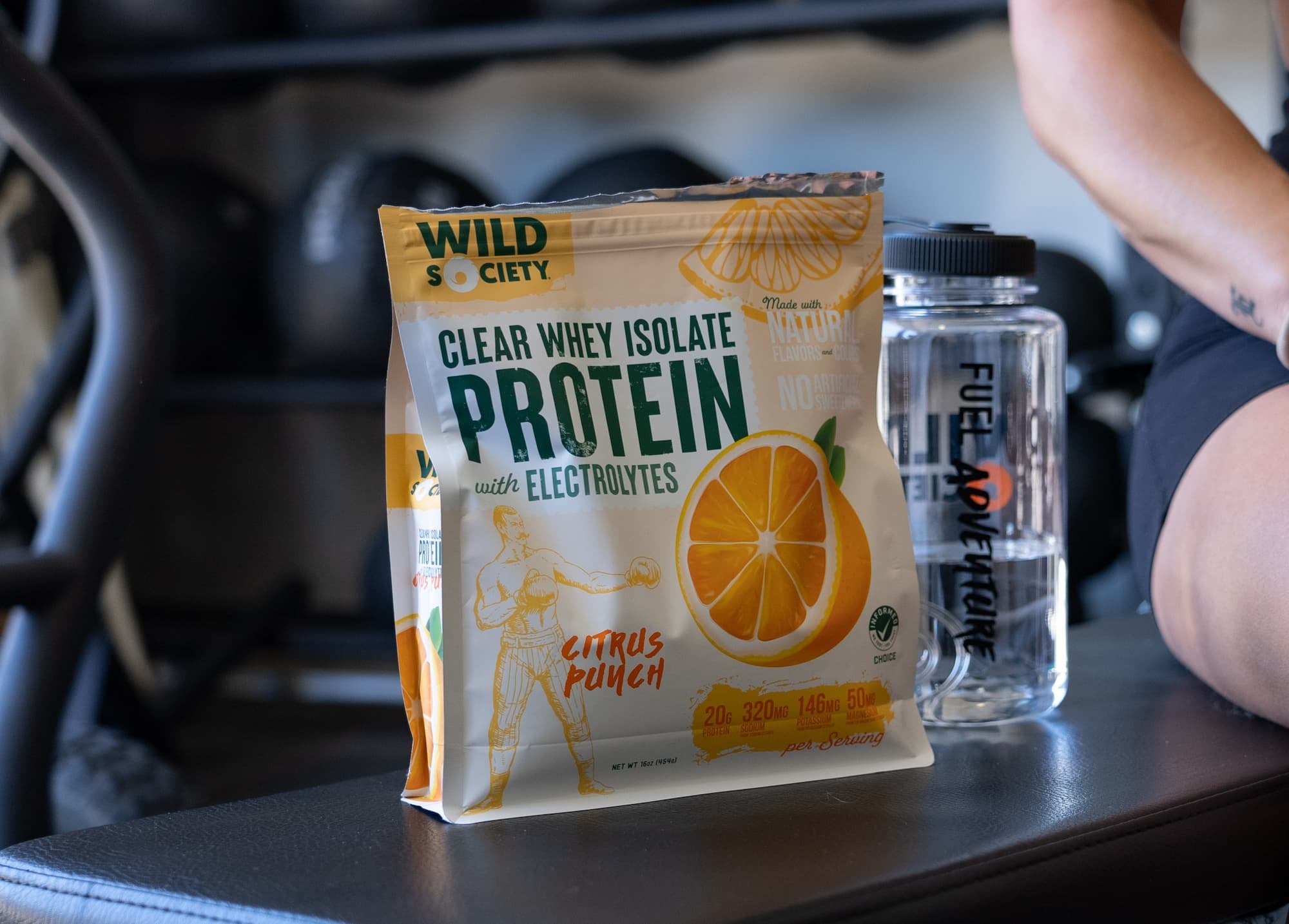
Wild Society’s Clear Whey Isolate + Electrolytes: a light, easy-digestion protein and hydration-support blend.
-
Using it soon after your workout (even if it’s late) helps provide amino acids for muscle repair.
-
Especially helpful if your last meal was several hours before your workout, or you trained hungry.
-
Because it’s easy on digestion, you’re less likely to disrupt your sleep.

-
Wild Society’s 100% Grass-Fed Whey + Superfood Mushrooms & Adaptogens supports recovery, immune health and general performance.
-
Taking this after a late workout helps replenish muscle-building substrate and may support recovery and deeper sleep indirectly (via reduced muscle soreness and balanced nutrients).

How to use these in your late-night routine
Here’s a suggested flow:
-
After your workout: within 15-30 minutes, take a scoop of Clear Whey Isolate + Electrolytes (with water) to trigger recovery.
-
Then have a small balanced snack or shake if needed (e.g., your grass-fed whey + mushrooms).
-
Sip water or electrolyte water for the next hour.
-
At your wind-down phase: ensure you’re not using stimulants (e.g., caffeinated energy drinks) too late. Use the recovery nutrition as part of your transition from workout mode to rest mode.
-
Monitor how you feel the next morning: Less soreness, better mood, better sleep quality? Great. Your routine is working. If you wake up wired or achy, adjust.
Key Takeaways
-
Training before bed is not inherently bad, but it can interfere with sleep and recovery if timing, intensity and recovery aren’t aligned.
-
Maximize the benefit: finish your workout at least ~1-2 hrs (better 2-3 hrs) before bed, cool down properly, refuel, hydrate, wind down.
-
Listen to your body: If you notice you’re tossing, turning, waking up tired, your late-night workout might be too intense / too close to bedtime.
-
Use smart nutrition support: Wild Society Nutrition offers clean, quality products that fit into a late-workout recovery strategy.
-
The best workout time is the one you can stick with consistently. If evening is it for you, then build your system around making that time work, rather than forcing a morning only because “that’s best.”
Final Thought
So, is it bad to workout before bed? Only if you skip the smart recovery stuff afterwards. With the right timing, intensity, wind-down and nutrition strategy (including Wild Society’s recovery-support products), you can make it work and leverage those evening hours to your benefit.
Resources
-
The Body Clock and Athletic Performance
- What You Should Know About Working Out Before Bed
- Does exercising at night affect sleep?
- Why Experts Want You to Think Twice Before Working Out at Night
- Is Working Out Before Bed Good or Bad for Your Sleep?
- Photo by Daniel Radu on Unsplash