If you constantly feel hungry an hour after eating, you’re not alone.
Many people focus only on calories when trying to manage appetite, energy, or weight, but the types of foods you eat matter just as much as the amount.
The good news? There are practical ways to feel fuller longer without extreme dieting or obsessing over every meal.
In this guide, we’ll break down:
- Why some foods keep you full longer than others
- What nutrients increase satiety
- Common mistakes that leave people hungry
- Simple habits that help control appetite naturally
- Easy ways to build more satisfying meals
How Do You Feel Full Longer?
Feeling full longer usually comes down to a combination of:
- Protein
- Fiber
- Hydration
- Meal balance
- Food volume
- Blood sugar stability
Highly processed foods that digest quickly often leave people hungry again soon after eating. Meals that include protein, fiber, and healthy fats tend to be more satisfying.
Why Do Some Foods Keep You Fuller Than Others?
Different foods affect hunger hormones, digestion speed, and blood sugar differently.
Foods that generally increase satiety include:
- Protein-rich foods
- High-fiber foods
- Whole foods with more volume
- Foods that digest more slowly
On the other hand, highly refined foods and sugary snacks may digest quickly and lead to energy crashes or increased hunger later.

What Nutrients Help You Feel Full?
| Nutrient |
Why It Helps |
Examples |
| Protein |
Supports satiety and slower digestion |
Whey protein, eggs, Greek yogurt |
| Fiber |
Adds bulk and slows digestion |
Vegetables, oats, berries |
| Healthy fats |
Increase meal satisfaction |
Nuts, avocado, nut butter |
| Hydration |
Thirst can mimic hunger |
Water, electrolytes |
12 Practical Ways to Feel Full Longer
-
Prioritize protein at meals
Protein is one of the most filling nutrients and may help reduce cravings later.
-
Eat more fiber-rich foods
Fiber slows digestion and helps meals feel more satisfying.
-
Stay hydrated
Mild dehydration can sometimes feel like hunger.
-
Build balanced meals
Combining protein, fiber, and healthy fats tends to improve satiety.
- Don’t skip breakfast if it leaves you overeating later
-
Limit ultra-processed snack foods
These often digest quickly and may increase cravings.
-
Eat slowly
Your body needs time to recognize fullness signals.
-
Choose foods with more volume
Vegetables, fruit, soups, and smoothies can help meals feel larger.
-
Get enough sleep
Poor sleep can affect hunger hormones.
-
Manage stress
Stress eating is real and common.
-
Add protein to snacks
Protein snacks often hold people over longer than carb-only options.
-
Avoid extreme restriction
Under eating during the day often backfires later.
Questions to Ask Yourself
If you constantly feel hungry, ask yourself:
- Am I eating enough protein?
- Am I eating enough fiber?
- Am I drinking enough fluids?
- Am I relying heavily on processed snack foods?
- Am I sleeping enough?
- Am I skipping meals and getting overly hungry later?
Often, hunger is less about “willpower” and more about meal composition and consistency.
Does Protein Help You Feel Full Longer?
Yes, protein is one of the most satiating nutrients.
Research suggests higher-protein meals may help reduce hunger and improve fullness compared to lower-protein meals.
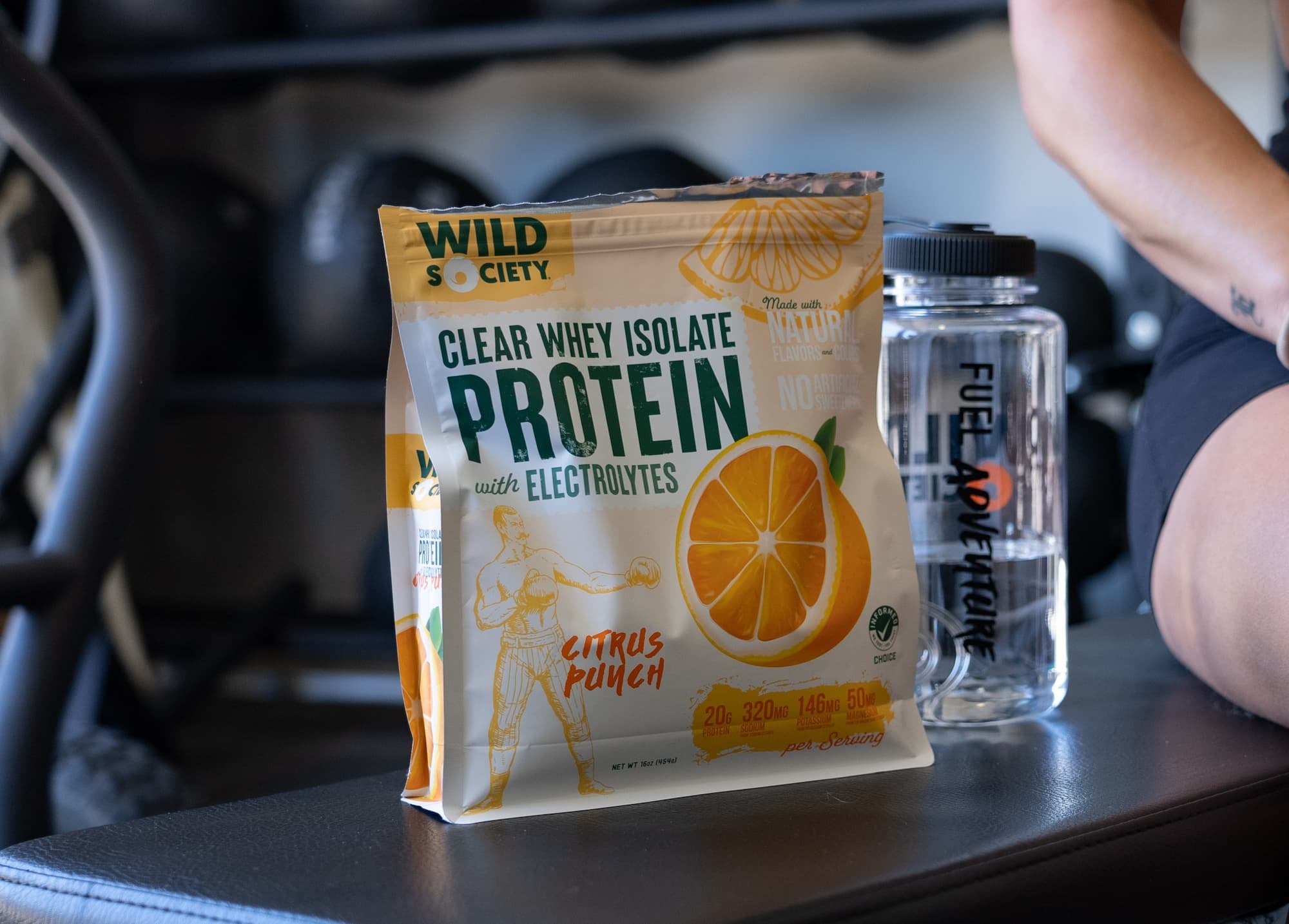
That’s one reason many people use protein shakes between meals, after workouts, or during busy days.
Grass-Fed Whey Protein
A high-quality whey protein can be an easy way to add satisfying protein to smoothies, oatmeal, coffee, or snacks.

Can Hydration Affect Hunger?
Absolutely.
Sometimes thirst gets mistaken for hunger, especially during busy days, workouts, or hot weather.
Staying hydrated may help support energy, digestion, and appetite awareness.

Simple Filling Smoothie Recipe
Protein + Fiber Smoothie
- 1 scoop Wild Society Grass-Fed Whey
- 1 banana
- 1 tablespoon peanut butter
- 1 handful berries
- 1 cup milk of choice
- Ice
This combination provides:
- Protein
- Fiber
- Healthy fats
- Hydration
All of which can help you feel satisfied.
What Foods Help You Feel Full Longer?
Some of the most filling foods include:
- Eggs
- Greek yogurt
- Oats
- Potatoes
- Beans and lentils
- Lean meats
- Berries
- Avocados
- Protein smoothies
- Vegetables with high water content
The key is usually combining several satiety-supporting nutrients together.
What Most People Get Wrong About Hunger
- They under-eat protein
- They rely on low-volume snack foods
- They ignore hydration
- They skip meals and overeat later
- They think fullness is only about calories
Feeling satisfied often comes down to food quality and balance, not just eating less.
FAQs: How to Feel Full Longer
What foods keep you full the longest?
Foods high in protein, fiber, and healthy fats tend to be the most filling.
Does protein reduce hunger?
Research suggests protein may help improve satiety and reduce appetite.
Can dehydration make you hungry?
Yes. Mild dehydration can sometimes mimic hunger signals.
Are smoothies filling?
They can be if they contain protein, fiber, and healthy fats.
Why am I always hungry after eating?
Meals low in protein, fiber, or overall volume may digest quickly and leave you hungry sooner.
Final Take
If you want to feel full longer, the goal usually isn’t eating less, it’s eating smarter.
Protein, fiber, hydration, meal balance, and consistency all play major roles in appetite and satisfaction.
Simple changes like increasing protein intake, staying hydrated, and building more balanced meals can make a noticeable difference in energy, cravings, and fullness throughout the day.
Resources
Photo by Natalia Gusakova on Unsplash