

Is Beef Jerky Keto? Check the Carbs, Sugar, and Serving Size
Is beef jerky keto? Compare carbs, added sugar, and portions, then see how Caveman Eats beef-and-sea-salt crisps fit a practical snack choice.

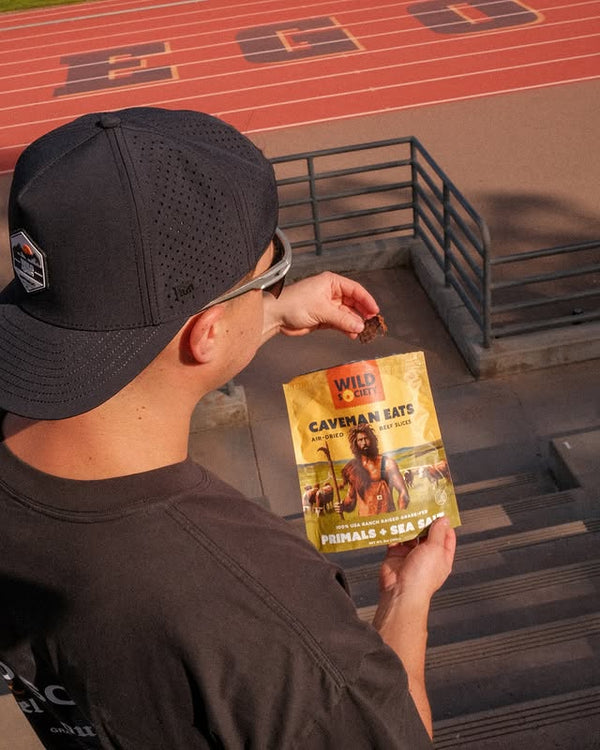
Pack high-protein hiking snacks such as beef crisps, roasted legumes, nuts, or shelf-stable fish pouches, then add carbohydrate foods and enough total food for your route. The best high protein hiking snacks are ones you can carry, open, eat, and store properly while you're out. Caveman Eats Primal Beef Cuts provide a savory starting point: whole-cut ribeye, slow-cooked at low temperature, made with beef and sea salt, with 95g protein per 5oz bag.
Build the rest of the kit around the hike. A short local loop, a long day with a steep return, and an overnight route put different demands on your food bag. Protein belongs in that plan, alongside ready-to-eat energy, water, and extra food for delays.
Pack by job: Bring a protein food, carbohydrate foods you enjoy, and a separate reserve. Check package storage instructions, water availability, and the route's food-storage rules before leaving.
Choose a trail snack kit for the planned outing and keep a separate reserve snack for delays. Start with the time you expect to be away from your kitchen, including the drive and the return leg. Then look at the route rather than mileage alone. A short but steep trail with a loaded pack can take longer than an easy path of the same distance. Lunch at the destination does not cover every food decision if the return takes another several hours.
Choose high protein snacks for hiking that fit how you like to eat outdoors. Some people want a savory food at a proper stop; others prefer small snack breaks. You might enjoy nuts at home but want a different texture after a warm climb. Pack familiar foods and use shorter outings to learn what is easy to eat from your actual backpack.
Before selecting the food, answer these questions:

Caveman Eats fits the ready-to-eat savory role. Its beef-and-sea-salt recipe lets you add the carbohydrate foods you prefer, instead of relying on a sweet coating to make the snack appealing. The bag's 95g protein is a per-5oz-bag figure. Plan how much you want to carry and eat, and keep the remaining food within the package's storage directions.
| Food for your trail snack kit | Useful role | Packing decision |
|---|---|---|
| WSN Caveman Eats Primal Beef Cuts | Ready-to-eat savory beef; 95g protein per 5oz bag | Pair with carbohydrate foods; follow the label after opening |
| Nuts or nut butter | Compact food with protein and fat | Check allergies; protect packets from punctures and pair with fruit or crackers |
| Roasted chickpeas or edamame | Crunchy plant-based option | Compare protein on the exact label; choose a texture you enjoy while hiking |
| Shelf-stable fish pouch | Protein food for a planned meal stop | Use an unopened shelf-stable product; bring a utensil and a sealable waste bag |
| A protein bar | Individually wrapped convenience | Check protein, carbohydrate, ingredients, and how it handles the temperature |
| A separate reserve snack | Backup when the outing lasts longer than expected | Choose familiar food that needs no cooking; keep it available for the return |
The best option is not necessarily the food with the largest protein number on the front. A pouch that needs a utensil may work well at lunch but be awkward at a brief rest stop. A crumbly food may need a sturdier container. A bar you dislike can become dead weight. For protein snacks for hiking, practical use is part of the comparison.
Specific labels show why a handful of nuts and a fish pouch do different jobs in a trail kit:
These are different serving sizes, not an equal-weight ranking. Nuts can add compact food energy alongside their protein; a fish pouch offers a different protein amount and needs a utensil and waste plan. Keep each number attached to its stated portion when deciding what to pack.
Think of food for the journey to the trailhead and food for the trail as two small plans. You may want breakfast before starting, your trail kit during the hike, and a convenient option afterward. Keeping those roles separate makes it harder to accidentally eat the return-leg food in the car before the hike begins.
Our healthy travel snacks guide covers the broader travel routine. For this outing, put the hiking food where it will actually be carried, then check that the reserve has not disappeared into a seat pocket or another person's bag.
For a short morning loop, the food you want at a rest stop can remain simple. You may already have eaten breakfast and expect to be home for lunch. Still carry the extra supplies appropriate to the route rather than counting on the planned return time being exact. Keep the regular snack easy to reach so the backup stays separate.
A full-day route needs a more deliberate division between snacks and a meal. If the day's only substantial food is assigned to lunch, think about what will remain for the return. Pack foods you want to eat at different moments, and check whether the lunch itself needs a utensil, a suitable container, or cold storage you cannot provide. Choosing the food and choosing its equipment are one decision.
For an overnight route, repeat that check for each day instead of simply doubling a day-hike bag. Breakfast, dinner, and the timing of opened packages change the plan. The next day's food must remain usable after the first night's storage. A package you can finish with a group on day one may be a poor fit if you intend to stretch it beyond its after-opening directions.
Healthy hiking snacks work best as a kit: combine a protein option with carbohydrate for energy, then adjust the calorie amount to the outing. A useful trail snack kit has three parts: a protein food, carbohydrate foods for the outing, and a reserve snack kept separate from your planned breaks. This lets you make a practical packing decision without asking one product to cover every need. Beef supplies the savory protein part; fruit, crackers, bread, or another familiar carbohydrate food can fill a different role. A vegan kit can use roasted legumes, while peanut butter is an option only when nuts suit everyone eating it.
For a hike where you want Caveman Eats, decide what you will pair with it before closing the bag. If you usually take only sweet bars, beef offers variety. If you already carry nuts, adding another dry savory food may mean you also want a softer option such as fruit. The aim is food you will be happy to eat throughout the trip, with enough variety to avoid leaving half your plan untouched.

The National Park Service's Grand Canyon hiking guidance recommends regular snacks that include carbohydrate, protein, and electrolytes during demanding canyon hikes. Its route-specific advice reinforces a useful principle: protein is one part of trail nutrition. Carrying a high-protein product does not replace the rest of the food and hydration planning a strenuous route needs.
Choose the kit in this order, adjusting quantities to your trip and appetite:
For example, a savory-break kit might contain Caveman Eats, crackers, and an apple, with an extra packaged snack held back for delays. A plant-based version might use roasted edamame and a suitable sandwich or fruit. These are combinations to adapt, not fixed calorie plans or claims that one quantity will suit every hiker.
Read both the protein line and the total food energy in the amount you intend to eat. A snack can supply protein while contributing little carbohydrate. That may suit one role in your kit, but it does not make it a complete plan for a long, demanding day. Likewise, a carbohydrate food can have a useful place even if it is not sold as a high-protein product.
When comparing energy snacks for hiking, think about when and how you will eat them. Foods chosen for a steady walking break may differ from what you enjoy when sitting down at lunch. High calorie snacks for hiking can be useful when pack space is limited, but a calorie-dense food still needs to agree with your preferences and fit your storage needs.
Our guide to carbs for performance explains the broader carbohydrate role. On the trail, the actionable step is simple: put the carbohydrate foods in the bag alongside the protein rather than assuming a beef snack supplies both.
If every item in your bag is already assigned to breakfast, lunch, or the return break, none of it is extra. Set aside the reserve before you divide the rest into planned snack occasions. A separate pouch or marked pocket can make the distinction clear without requiring a complicated packing system.
The National Park Service's general hiking-safety guide advises carrying extra food, including an extra day's supply, and considering whether water is available on the route. Use the guidance for your destination and conditions to decide what to carry. A casual walk near home and a remote trail do not have identical consequences if your plan changes.
Extra food is useful only when you can reach and eat it. Choose something familiar that requires no cooking or elaborate preparation, and keep it protected from rain, crushing, or leaks. If sharing food with a group, agree who carries which supplies, while keeping your own accessible snacks with you.
Mark the likely break points on your mental picture of the route: before the climb, at a suitable rest area, around lunch, and during the return. These are reminders to check in with the group and the food plan, not a rigid feeding schedule. A crowded viewpoint or poor weather can make a different stopping place more practical.
Avoid burying all the ready-to-eat food underneath spare clothing. Put the first planned snack where you can retrieve it at a safe stopping place. Keep food sealed while walking and stop somewhere appropriate to eat, especially when footing demands attention. Convenience should make the planned break easier, without turning the snack into another distraction.
For multi-day hikes, keep each day's food usable and follow the storage directions after opening. Healthy backpacking snacks still need protection from heat, moisture, and wildlife. For an overnight trip, check each item's unopened and after-opening instructions before dividing it between days. High-protein backpacking snacks need to fit the actual duration of the trip. An unopened shelf-stable package and leftovers from an open bag are different storage situations, and resealing a bag does not erase the directions on its label.
Caveman Eats' label says to consume within three days of opening or refrigerate. Plan when you will open it and how you will finish or store the remainder. If your trip does not fit those directions, change the pack quantity or opening schedule rather than relying on the word jerky as a blanket storage rule. Keep the label available so the instructions travel with the food.

For the broader shelf-stable shopping question, see high-protein snacks that need no refrigeration. On a backpacking route, add the details that matter outdoors: when the food will be opened, how it will be protected, and what the local land manager requires for food storage.
Make a day-by-day plan for foods that will leave leftovers. You can keep later-day packages unopened until needed, but verify that the sealed product is suitable for the trip conditions. Do not transfer everything into unlabeled bags and then guess which food has been open longest. If you repack food, retain the product name, allergen information, and relevant storage instructions.
For shared food, decide who will use an opened package next. That is particularly useful when members of the group have different plans or separate after the first day. A large bag can be convenient for a group meal stop, provided there is a clear plan for its contents and no confusion about dietary restrictions.
Use a quick packing check:
The weight of a food choice includes what it needs to become usable. A dry powder may look light, but you still need safe water and a mixing container if that is how you will consume it. A ready-to-drink bottle carries its liquid with it. Neither is automatically the better choice: the route, available water, and your tolerance for preparation determine what is practical.
For some hikers, a ready-to-drink protein option makes more sense before or after the hike than deep in the pack. WSN Protein + Hydration in Fruit Punch provides 20g whey isolate protein, 100 calories, and 4g carbohydrate per 16fl oz bottle, with 0g sugar and 0g lactose per serving. It contains milk. It is a convenient protein option, with a different role from carbohydrate-rich trail food.

Check the bottle's storage instructions before planning a trailhead drink, and do not assume any product can sit in a hot parked car indefinitely. Keep the hike's water supply and food plan intact regardless of which protein drink you choose. A product name containing hydration does not establish that one bottle meets your fluid or electrolyte needs for a particular route.
An overnight food plan can look excellent on paper and still miss the practical details. Consider whether you will want a crunchy snack after several similar foods, whether a pouch can be finished at one meal, and whether breakfast leaves you ready for the first stretch. Variety in texture and flavor can make the packed food more usable without turning the trip into a long menu.
Before a longer outing, try the combinations during a shorter hike. Notice what you finish, what is awkward to handle, and what returns home unopened. Use those observations to adjust the next food bag. That is more informative for your own packing routine than copying another hiker's exact menu without considering route length, appetite, or food preferences.
Make the trial practical: use the same pocket, container, and utensils you intend to carry on the longer route. Can you open the package easily at a stop? Does the food survive being packed next to other equipment? Does the waste container close after you add an empty pouch? These observations do not require a complicated tracking system. A short note afterward can tell you which food to pack again and which one needs a different container or a better place in the bag. Adjust the convenience details while keeping the reserve and the overall food plan intact.
For vegan hiking snacks, roasted chickpeas, edamame, nuts, and nut butters can provide alternatives to beef; check the full ingredients of flavored products. Their protein amounts differ, so read the actual product rather than assuming all crunchy snacks contribute the same amount. If one food supplies less protein than expected, consider how it fits the complete meal instead of forcing an oversized portion into a single snack break.
For a nut-free kit, look at suitable beef, fish, or legume products rather than defaulting to trail mix. Verify the exact package's ingredients and allergen information, including relevant manufacturing information. A food category is not a guarantee against cross-contact. If an allergy is the reason for avoiding nuts, use products that meet the person's established allergy-management requirements instead of inferring safety from a short ingredient list.
For a group, check dietary preferences and allergies before buying communal food. Keep individual alternatives identifiable, and use separate packaging or utensils where needed to avoid cross-contact. Do not leave one person's only suitable snack in the group lunch bag while everyone else has food within reach. Planning a separate option is easier before the trip than improvising once you are on the trail.
Lay out the full kit once, with snacks and meals visible. It is easier to spot a missing lunch or an overreliance on one type of food before everything disappears into the pack. Check that you have enough variety to cover both a savory break and the carbohydrate foods you intend to use during the day.
Then make these last comparisons:
If you're still deciding on the beef component, our guide to choosing high-protein beef jerky explains how to compare the product itself. Once you've chosen it, the hiking decision is about how that food fits the rest of the kit.
Add the protein amounts from the actual labeled portions you plan to eat. For example, a food labeled with 20g protein plus another labeled with 10g would total 30g; those are illustrative amounts, not a trail requirement. You do not need to force every hiking snack to reach that number. Plan the whole day, and retain carbohydrate foods and reserve food instead of using protein grams as the only packing measure.
Distribute suitable protein foods across the meals and snacks you already plan to carry, using their labels to check amounts. Ready-to-eat beef, roasted legumes, nut products, and appropriate shelf-stable pouches offer different options. For each one, verify storage after opening and any water or utensil requirement. Keep the carbohydrate foods and enough total food for the route; a backpacking plan needs more than a list of protein sources.
An empty stomach is not a useful goal for a demanding hike. An early start can make a large breakfast inconvenient, but deliberately beginning a demanding hike without a food plan leaves little flexibility. Choose a familiar breakfast or smaller pre-hike food that suits you, then carry accessible snacks and enough food for the outing. Individual needs vary, particularly with medical conditions or medications. Use personal clinical guidance where applicable rather than treating fasted hiking as a goal in itself.
Hikers may eat gummy bears for a convenient carbohydrate snack. Gummy bears are a portable source of carbohydrate and offer a sweet change from savory foods. That explains their practical appeal on some hikes, but they supply little protein and do not replace meals, water planning, or the rest of a trail snack kit. If you enjoy them, treat them as one carbohydrate option alongside the other foods you have chosen, with portions and packaging that work for your outing.
Caveman Eats Primal Beef Cuts make a straightforward starting point for a savory trail snack: whole-cut ribeye, slow-cooked at low temperature, made with beef and sea salt, and 95g protein per 5oz bag. Start with one 5oz bag for your next outing, pair it with familiar carbohydrate foods, and keep your reserve separate. Follow the label after opening so the food plan works from the first break through the return.
This article is for general informational purposes and isn't medical advice.

Best Sellers
Use this text to share information about your collection with your customers.