You probably already know alcohol isn’t exactly a “performance supplement.”
But if you train hard, care about recovery, or are trying to build muscle, there’s a more important question:
Does alcohol stop muscle growth?
Not completely. But it absolutely can interfere with your body’s ability to recover, repair muscle tissue, and adapt to training, especially if you drink heavily or during your recovery window after exercise.
And that matters more than most people realize.
Because the gym is only where you stimulate muscle growth. The actual growth happens afterward, when your body repairs and rebuilds.
If recovery suffers, progress usually does too.
Alcohol and Muscle Growth: What’s Actually Happening?
When you lift weights or train hard, you create microscopic damage in muscle tissue.
Your body responds by rebuilding that tissue stronger through a process called muscle protein synthesis.
That’s the process you want firing on all cylinders after a workout.
The problem?
Research suggests alcohol can reduce muscle protein synthesis — particularly when consumed in larger amounts after exercise.
In simple terms:
- Your workout creates the signal for growth.
- Recovery turns that signal into actual results.
- Alcohol can interfere with the recovery side of the equation.
So while one night out won’t magically erase your gains, heavy drinking can absolutely make it harder for your body to adapt to training.
The Recovery Window Matters
This is the part most people overlook.
Right after training, your body is primed for recovery:
- Rebuilding muscle tissue
- Replenishing glycogen stores
- Rehydrating
- Reducing inflammation
That window is when nutrition, hydration, sleep, and recovery habits matter most.
And unfortunately, alcohol works against several of those systems at once.
Drinking heavily after training may:
- Reduce muscle protein synthesis
- Increase dehydration
- Disrupt sleep quality
- Slow glycogen replenishment
- Increase recovery time
So if you’re crushing a hard workout and then immediately going out drinking afterward, you’re basically sending your body mixed signals.

Alcohol and Sleep: The Bigger Problem
Honestly, this is probably the most underrated part of the conversation.
A lot of people think alcohol helps them sleep because it makes them tired.
But quality recovery sleep and “passing out” are not the same thing.
Alcohol can reduce:
- Deep sleep
- REM sleep
- Overnight recovery quality
And sleep is when some of your most important recovery processes happen:
- Hormone regulation
- Muscle repair
- Nervous system recovery
- Tissue rebuilding
This is one reason athletes often feel flat, weaker, or sluggish after drinking, even if they’re hydrated and not technically hungover.
Poor sleep compounds poor recovery.
Alcohol Also Affects Hydration and Performance
Even mild dehydration can impact:
- Strength
- Power output
- Endurance
- Recovery
- Muscle function
Alcohol increases fluid loss and can make it harder to fully rehydrate after training.
That’s a problem because intense exercise already stresses hydration levels.
Stacking alcohol on top of that is one reason workouts often feel noticeably worse the next day.
Does One Drink Ruin Your Gains?
No.
A single drink occasionally is unlikely to destroy your progress.
But there’s a big difference between:
- Having one drink with dinner
- Drinking heavily every weekend after training
The more frequently alcohol interferes with recovery, the more likely it is to impact:
- Muscle growth
- Performance
- Body composition
- Energy levels
- Training consistency
Most people overestimate what one workout can do and underestimate what repeated poor recovery habits can do over time.
If Building Muscle Is the Goal, Timing Matters
If you care about maximizing muscle growth and recovery, alcohol is probably best kept:
- Away from hard training sessions
- Away from your immediate post-workout recovery window
- Moderate rather than excessive
That doesn’t mean you can never drink.
It just means you should understand the tradeoff.
You can’t train like an athlete and recover like you don’t care.
What to Do Instead
If you know you’re going out or drinking socially, a few habits can help reduce the damage.
Prioritize Protein First
Before alcohol, get your recovery basics in place:
- Eat a high-protein meal
- Include quality carbs
- Don’t replace post-workout nutrition with drinks
Your body still needs raw materials to recover. That means protein should stay high on the priority list, especially after training.
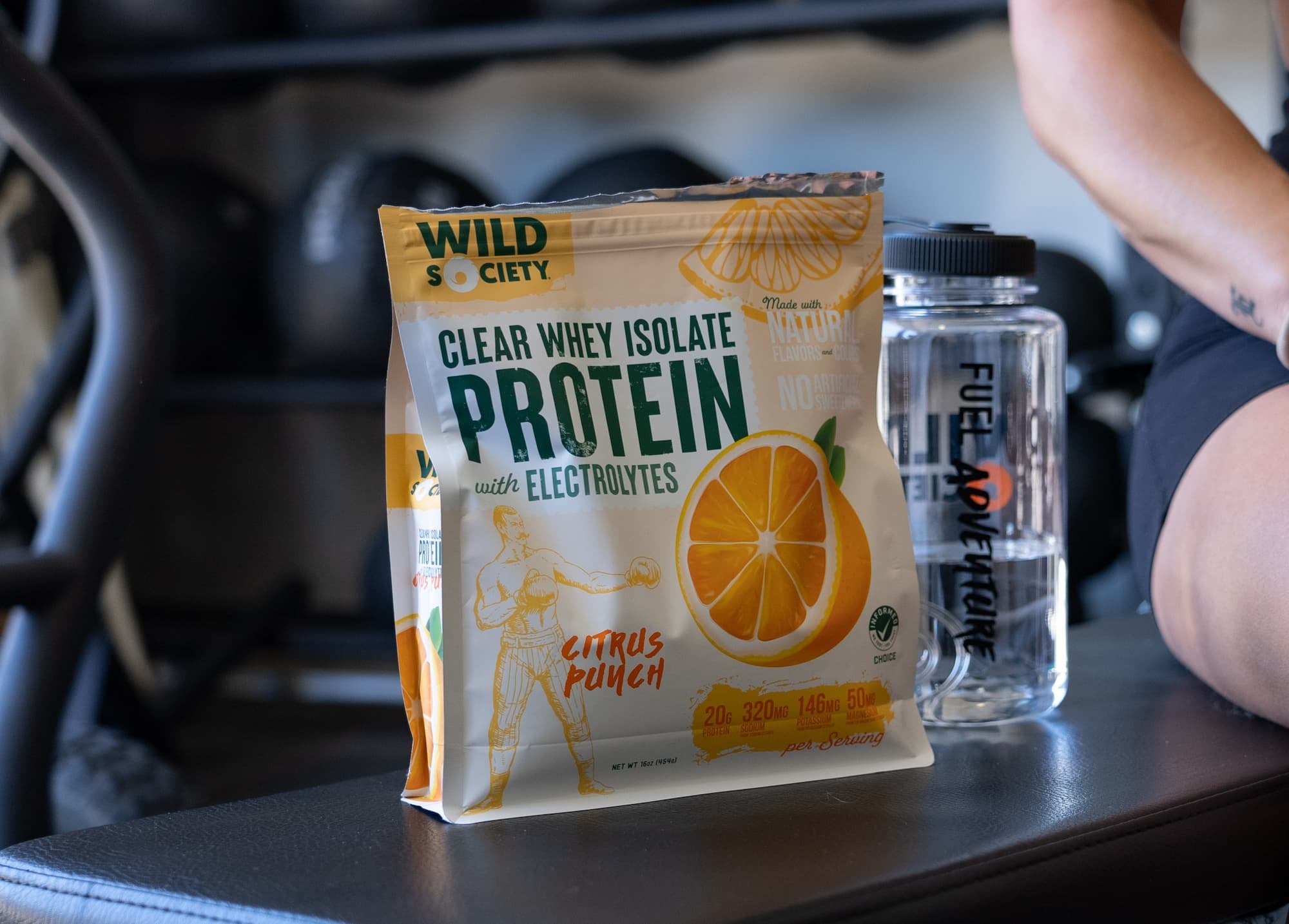
If you need a simple post-workout option, Wild Society Protein + Hydration makes it easy to get high-quality protein in before the rest of your day, or night, gets busy.

Hydrate Aggressively
This matters more than people think.
Try:
- Water between drinks
- Electrolytes before bed
- Hydrating early the next morning
Hydration support can make a noticeable difference in how you feel and recover, especially if you trained hard earlier in the day.
Wild Society’s electrolyte support can be a smart addition when you’re trying to stay ahead of dehydration, whether that’s after a sweaty workout, a long day outside, or a night where alcohol is involved.

Keep Recovery the Main Priority
At the end of the day, muscle growth isn’t just about training hard.
It’s about recovering hard too.
That means:
- Protein intake
- Sleep quality
- Hydration
- Consistency
- Smart recovery habits
That’s why at Wild Society Nutrition, we focus so heavily on products that support recovery and performance in the real world — not just during workouts.
Because the habits outside the gym are often the ones that determine whether progress actually happens.
The Bottom Line
So, does alcohol stop muscle growth?
Not entirely.
But if you’re serious about performance, recovery, or building muscle, alcohol — especially heavy drinking after workouts — is absolutely something worth limiting.
The reality is:
- Your body builds muscle during recovery.
- Alcohol can interfere with that process.
- The closer drinking happens to training, the bigger the impact tends to be.
You don’t have to be perfect.
But if you want better results, better recovery, and better performance, protecting your recovery window is one of the smartest things you can do.
Related Reading
Sources
Photo by Fred Moon on Unsplash
Photo by Lance Anderson on Unsplash