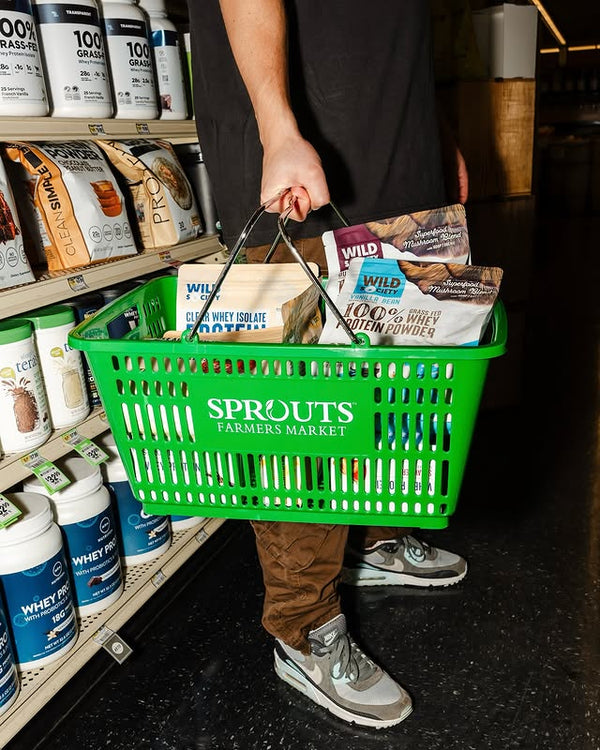


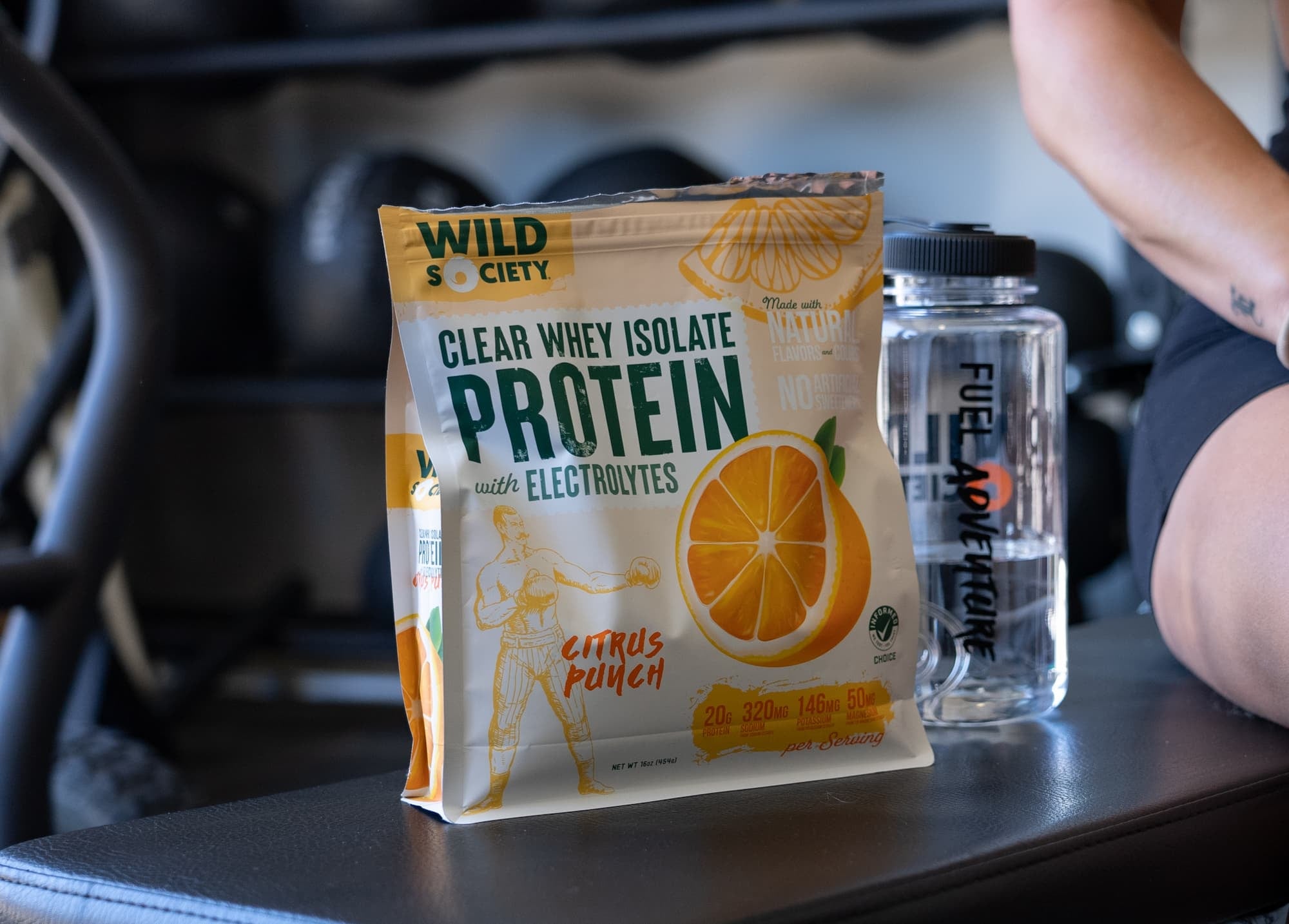
Fruit-Flavored Protein Powder: How to Choose a Refreshing Shake
Choose fruit-flavored protein powder by flavor, texture and protein source. Compare refreshing Clear Whey options and try a single-serve packet.

Choose crisp beef chips when you want crunch, and choose a chewier beef jerky when you prefer a flexible strip with a firmer bite. Compare the actual product’s cut and texture to find the eating experience you want.
WSN Caveman Eats Primal Beef Cuts sits on the crisp side of that choice: whole-cut ribeye, slow-cooked with beef and sea salt. It provides 95g protein per 5oz bag and 0g sugar. If you want a crunchy beef snack, that combination gives you a specific option to compare.
Picture the snack you want before looking at the package. You might want a crisp piece that breaks as you bite it, or a flexible strip with a more substantial chew. Both can belong in the beef-snack aisle, but they answer different texture preferences.
“Beef chips,” “beef jerky chips” and “beef jerky crisps” often point shoppers toward a crunchy format. “Beef jerky” covers a wider range of bites. A product described as tender may suit a different preference from one described as firm or dry. The specific description is more useful than treating every bag of jerky as interchangeable.
Use these starting points:
You do not have to settle on one texture permanently. You might enjoy a chewy strip during a leisurely break and want something crisp with lunch. That is a practical reason to keep different formats in mind, even when both use beef.
A common shopping mismatch happens when the ingredient looks right but the texture does not. Someone who loves the chew of familiar jerky may expect the same experience from every beef snack. Someone seeking crunch may overlook beef slices because they associate the entire category with chewy strips.
Caveman Eats makes the crisp choice clear. Its whole-cut ribeye format is useful when you want beef as the snack itself, with the crunch that drew you toward beef chips.
| What you are choosing | WSN Caveman Eats Primal Beef Cuts | Chewier beef jerky | Formed protein chips |
|---|---|---|---|
| Starting format | Whole-cut ribeye slices | Check whether the product uses whole cuts or a formed preparation | A shaped snack made from its stated ingredients |
| Intended bite | Crisp | A chewier bite, with firmness varying by product | Crunch and texture depend on the formulation |
| Flavor direction | Beef and sea salt | Product-specific seasoning or marinade | Product-specific ingredients and seasoning |
| Protein source | Beef | Check the exact product | Check the exact protein ingredients |
| Useful shopping question | Do I want crisp whole-cut beef? | Do I want this style of chew? | Do I want this shaped snack and ingredient mix? |
| Portion comparison | Keep the 5oz bag claim attached to the full bag | Use the stated portion and package size | Use the stated portion and package size |
The table separates formats rather than ranking them. A formed chip can be an enjoyable snack, and a chewier jerky can fit someone who prefers that bite. If your priority is recognizable whole-cut beef with a crisp texture, Caveman Eats matches those two requirements together.
Whole-cut beef chips have the shape and variation of sliced meat. Use current product photographs to see the piece format, then choose Caveman Eats when crisp whole-cut ribeye is the snack you want.

Whole-cut beef identifies the meat format. The snack consists of slices from a cut of beef, rather than a mixture shaped into a chip. Caveman Eats uses whole-cut ribeye, which gives this comparison a concrete reference point.
A formed snack starts from a different format. Depending on the product, it may use ground meat or a mixture containing protein ingredients. The word “formed” describes construction, not a universal nutritional advantage or disadvantage. The ingredients and nutrition of the particular snack determine the rest.
Keep those questions separate:
For example, a shopper may want a crunchy protein snack and be comfortable with several ingredient combinations. Another may specifically want slices of beef with simple seasoning. Both start with crunch, but only the second has made whole-cut meat part of the decision.
“Beef” identifies the animal, while “ribeye” identifies the cut used for Caveman Eats. That added detail helps you understand the product you are choosing. It does not, by itself, provide a complete nutrition comparison with another beef snack.
Likewise, knowing a cut does not replace knowing the finished texture. A package could identify its beef clearly and still offer a bite different from the one you want. Read the cut and the texture together so the purchase matches both preferences.
Ribeye identifies the cut in Caveman Eats, while crisp describes the intended bite. Choose it when you want crunchy slices of whole-cut beef with straightforward beef-and-sea-salt seasoning.
Beef tallow potato chips and beef chips can appear in the same search, but they refer to different foods. A potato chip cooked in beef tallow is still a potato-based snack. Tallow describes the cooking fat. A crisp slice of beef has meat as the food you are eating.
The same distinction applies to beef-flavored chips. Flavor wording tells you about the intended taste, while the ingredient list identifies the snack’s base. If your goal is to buy beef slices, start there rather than assuming every result containing “beef” belongs to the same category.
Sort the possibilities this way:
This distinction saves time when shopping. Someone looking for a crisp beef snack can move directly to the meat format instead of comparing it with every tallow-cooked product in the results. Caveman Eats belongs in that whole-cut beef decision.
For crisp beef slices with a clear full-bag protein statement, choose Caveman Eats: 95g protein per 5oz bag, whole-cut ribeye, slow-cooked with beef and sea salt.
A plain beef-and-sea-salt option lets you choose a straightforward savory profile. Other products may emphasize a particular marinade or seasoning blend. Decide whether you want the beef itself to lead or whether a specific flavor is the main attraction.
You might choose simple seasoning because you are packing several foods and want a snack that fits alongside them. You might choose a more heavily flavored product because that particular flavor is what you are craving. Neither decision requires treating all other ingredient lists as inferior.
For Caveman Eats, the relevant details are direct: beef plus sea salt, whole-cut ribeye and a slow-cooked preparation. Those facts describe the product without assuming how another manufacturer makes its snack.
Beef sticks introduce another format that shoppers sometimes group with jerky and chips. Their shape and preparation create a separate buying decision from choosing between crisp slices and a chewier strip.
If a stick is also on your shortlist, our beef jerky vs. beef sticks comparison explores that choice. For the decision here, keep your focus on whether you want crisp whole-cut slices or a different jerky texture.
The package tells you what you are buying. Your snack portion tells you what you plan to eat at one time. Those are related decisions, but they do not have to be identical. A bag can work for more than one planned snack occasion, depending on how much you choose to eat and the package’s handling instructions. A smaller package may be convenient when you want to carry a specific amount. Neither package size automatically establishes the better nutritional choice.
The FDA’s Nutrition Facts guide explains that serving size reflects an amount typically consumed, rather than a recommendation of how much to eat. Nutrient figures generally refer to that stated serving, so connect each number to its quantity before comparing foods.
Caveman Eats supplies a clear full-bag claim and a crisp beef format you can fit into your own snack plans.
If one package prints a full-bag protein figure and another highlights one serving, place those quantities beside the numbers. A larger number attached to more food does not establish that the product contains more protein for an equivalent amount.
Choose the basis that answers your question:
These approaches answer different questions, so it is useful to keep them distinct. A bag might suit your routine because you enjoy the format and want to portion it across planned breaks. That is a separate benefit from any nutritional comparison with another bag.
Caveman Eats’ protein statement remains 95g protein per 5oz bag. Keep that unit intact rather than placing the figure beside a competing product’s single-serving number and calling the difference a result.
A short break between meals and a longer outing call for different packing decisions. Start with the occasion instead of treating the entire package as the default portion.
For a desk break, you might set aside beef slices with another food you already enjoy. For a trip, you might plan several separate eating opportunities. For lunch, crisp beef can be the savory item you wanted alongside the rest of the meal.
Think through the whole plan:
This approach makes the portion purposeful without turning a label serving into a rule. It also leaves room for preferences: the snack should be something you want to eat when that break arrives.
Jerky can provide protein from beef, with the amount depending on the product and quantity you eat. Texture alone does not tell you the protein amount: a crisp slice and a chewy strip still need their own product information. Caveman Eats provides a specific beef option with whole-cut ribeye and a stated full-bag protein claim. Use the portion alongside the nutrition information to decide how the snack fits the rest of your food.

Our guide to savory protein snacks covers neighboring snack formats. For a crunchy beef snack to take along, Caveman Eats provides whole-cut ribeye with beef and sea salt.

A useful snack comparison ends with a purchase you can make for a clear reason. Decide which features matter most for the occasion, then choose the product that combines them.
Use this checklist:
Caveman Eats fits the crisp, whole-cut side of that checklist. It uses ribeye, is slow-cooked and has beef plus sea salt as its ingredients. Its 0g sugar figure provides another specific product detail, while the bag format gives you the snack you are purchasing.
You want crunch and whole-cut beef. Focus on a product that explicitly offers both. A formed protein chip may provide crunch, but it answers a different format preference. Caveman Eats matches the crisp beef-slice choice directly.
You enjoy a traditional chewy bite. Choose a jerky whose description matches the firmness you like. A crisp beef product offers a different experience, so make that choice when crunch is what you want.
You are mainly comparing protein snacks. Identify the food format first, then compare the nutrition on a consistent basis. This keeps a package-size difference from making the decision for you and leaves room for the texture you will enjoy.
For more detail on evaluating beef snacks, see our guide to choosing high-protein beef jerky. It supports the broader product decision once you have identified your preferred bite.
There is no single answer for every person or every snack occasion. Compare the actual products and portions, considering the nutrition details relevant to your needs alongside ingredients and the rest of your food. Crispness, chewiness and a particular cut do not establish a universal health ranking. If your priorities are crisp whole-cut ribeye, beef plus sea salt and 0g sugar, Caveman Eats meets those specific preferences with a clearly identified beef snack.
Start with your next snack occasion rather than trying to choose for every possible day. Picture where you will eat and whether crunch or chew sounds more appealing. That narrows the decision before you compare package details.
For a crisp, savory option built around whole-cut ribeye, choose Caveman Eats Primal Beef Cuts: slow-cooked beef with sea salt, ready to be part of the snack you planned.
This article is for general informational purposes and isn't medical advice.

Best Sellers
Use this text to share information about your collection with your customers.