



Beef Jerky vs. Protein Bars: Which Portable Snack Fits Your Day?
Compare beef jerky and protein bars by portion, protein source, ingredients and convenience. Choose a savory or sweet snack that fits your day.

Choose whey when you want complete protein. If you already get enough high-quality protein, evidence for extra performance benefits from adding BCAAs is limited and inconsistent.
The difference starts with what each serving supplies. BCAAs are three amino acids. Whey supplies a broader protein package that already includes those three. If you want a convenient protein drink, Wild Society Nutrition Grass-Fed Whey provides 25g protein per serving in a creamy shake format.
The useful buying question is what your current routine needs. Start there, then compare the formula, serving and format that will fill that need.
If you are choosing between BCAAs or protein powder because you want to add protein to your day, whey is the more direct purchase. Whey is complete protein: it supplies all nine essential amino acids, including the three BCAAs. A dedicated BCAA product supplies only those three amino acids.
That distinction becomes easier to apply when you describe the job before choosing the supplement. “I want a drink that adds a clearly stated amount of protein” is a specific need. “I want something for the gym” leaves several very different products competing for the same space in your bag.
| Option | Amino-acid coverage | What the serving adds |
|---|---|---|
| Dedicated BCAA supplement | Leucine, isoleucine and valine; three of the nine essential amino acids | The BCAA amount stated on that product’s label |
| Complete whey protein | All nine essential amino acids, including BCAAs | Complete protein; use the specific formula’s serving label |
| WSN Grass-Fed Whey | Complete whey protein, including BCAAs | 25g protein per serving; creamy shake; 15 servings per bag |
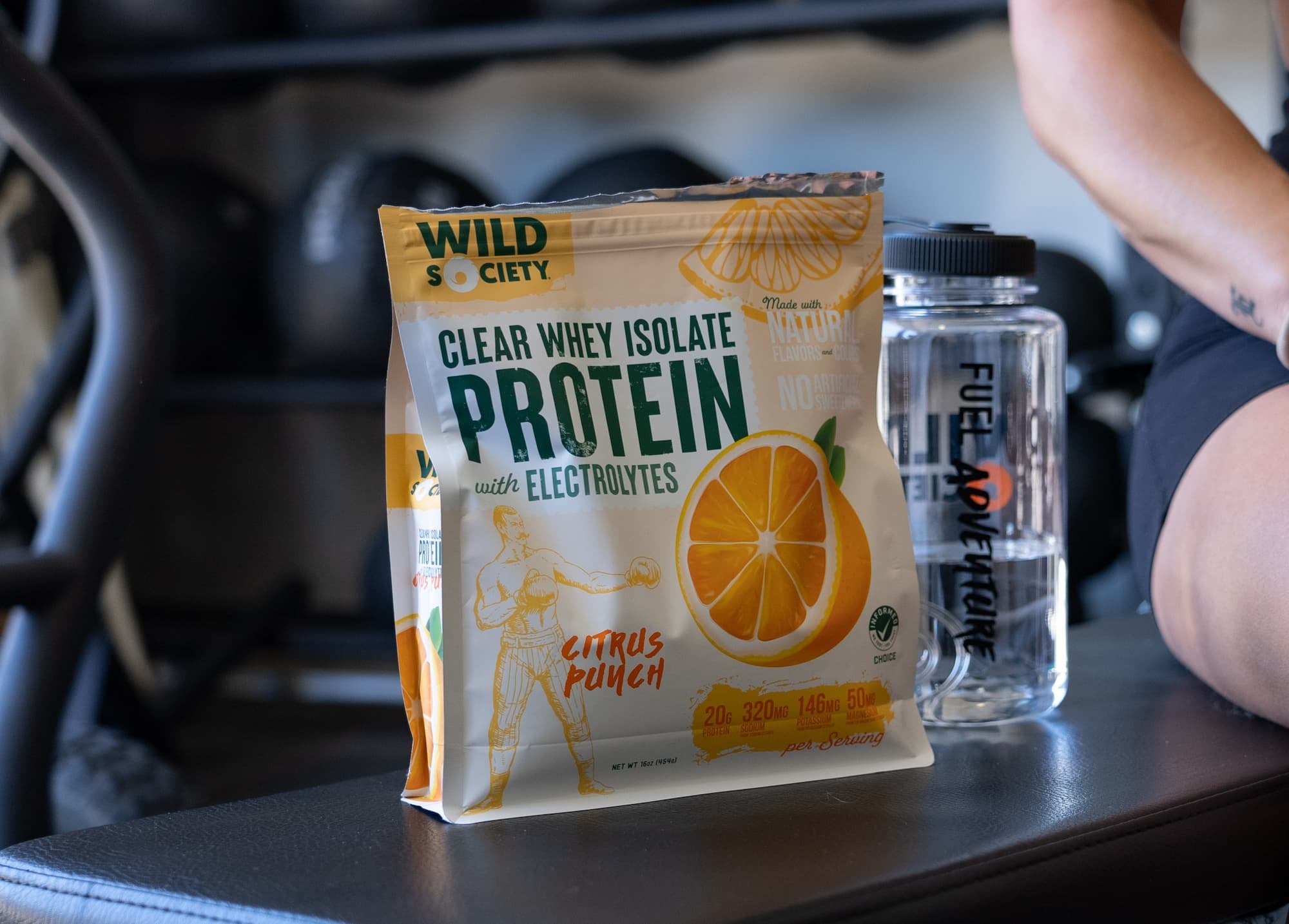
| WSN Clear Whey Isolate | Complete whey protein, including BCAAs | 20g protein and 90 calories per serving; fruit-flavored drink; 16 servings per bag |
Choose the starting point that matches your situation:
These are different shopping decisions. Separating them helps you make a useful purchase without assuming every product marketed around exercise belongs in the same routine.
For a straightforward whey option, Grass-Fed Whey comes in a 15-serving bag. Its stated protein serving lets you account for the drink directly, while choosing the flavor and preparation that fit your day.

Amino acids are the components used to make proteins. Nine are described as essential because the body must obtain them through the diet. MedlinePlus explains this classification.
The three BCAAs are:
The other six essential amino acids are:
You do not need to memorize the names to use the distinction. The practical point is that “BCAAs” describes a subset of the essential amino acids. “Contains BCAAs” and “provides complete protein” therefore answer different questions about a product.
A useful comparison is a recipe with several required ingredients. Highlighting three important ingredients helps explain part of the recipe, but it does not tell you whether the rest is supplied. In a protein purchase, the wider amino-acid profile matters alongside the ingredients that receive the largest print on the package.
BCAA in whey protein refers to the branched-chain amino acids leucine, isoleucine and valine naturally present within whey’s amino-acid profile. They are part of the protein, rather than evidence that whey requires a separate BCAA scoop to become complete. When choosing a whey serving, use its protein amount and ingredient information. If you need exact individual amino-acid quantities, look for a product-specific manufacturer profile instead of estimating them from another product’s label.
This matters when two packages present their contents differently. One might emphasize total protein, while another puts an amino-acid figure on the front. Those numbers may describe overlapping parts of the same serving.
Keep the categories separate when recording them:
A highlighted BCAA amount should not automatically be added to the total protein number as though it were a second, independent portion of complete protein.
Leucine is often prominent in discussions of muscle protein synthesis. That attention can make it sound as though selecting one amino acid, or just the three BCAAs, settles the whole protein question.
A review of BCAAs and muscle protein synthesis explains why the availability of the other essential amino acids also matters. The body needs the required amino-acid building blocks to make new protein; stimulating a process and supplying everything it uses are distinct considerations.
For shopping, this supports a simple order of operations: establish your overall protein choice first, then assess any additional amino-acid product. That order keeps an interesting ingredient claim from replacing the more basic question of what your serving supplies. You can apply it without turning every meal into an amino-acid calculation. A varied eating pattern and a clearly labeled protein product are easier to plan around than trying to assemble a complete nutrition strategy from several highlighted ingredients.
Texture is a separate decision from amino-acid coverage. If you like the idea of a fruit-flavored gym drink but want protein, clear whey belongs on your shortlist.
WSN Clear Whey Isolate with Electrolytes provides 20g protein per serving in a clear drink format. It contains milk, despite looking different from a traditional creamy shake.
For a fruit-flavored complete-protein drink, WSN Clear Whey provides 20g protein and 90 calories per serving, with 16 servings per bag.
In Jackman and colleagues’ 2017 study, 10 resistance-trained men completed trials with a 5.6g BCAA drink or placebo after resistance exercise. Researchers measured muscle protein synthesis over four hours and found a higher response with BCAAs than placebo.
There was no whey treatment arm. The study therefore supports an acute effect under its tested conditions, without establishing a direct BCAA-versus-whey result. Its serving was a research protocol, not a personal intake recommendation.
Keep the boundaries visible:
That is enough to reject both an automatic “zero effect” dismissal and a claim that this trial established equivalence with whey.
Recovery is a broad word. A claim may refer to muscle protein synthesis, perceived soreness, strength in a later session, or simply a convenient drink after exercise. Those are different outcomes.
Before paying for a product because it promises recovery support, identify what the description actually means. Then check whether the cited research measured that outcome with a relevant product and comparison.
This is particularly useful when several products use similar language:
The same standard applies to whey. A familiar ingredient or a long list of studies does not make every claim about every whey blend interchangeable.
BCAAs’ main downside as a protein purchase is that they supply only three amino acids, rather than complete protein. For someone already getting adequate high-quality protein, the NIH evidence summary finds limited and inconsistent evidence for additional performance benefits from BCAAs. For adding complete protein, whey is the more direct choice. If you enjoy an amino-acid drink, evaluate its flavor and convenience separately from performance claims. WSN Clear Whey offers a fruit-flavored route to 20g complete protein per serving.
For a complete-protein goal and a creamy shake preference, Grass-Fed Whey provides 25g protein per serving. Choose its 15-serving bag when you want that familiar shake format as part of your routine.

A BCAA label and a whey label may emphasize different information. Reading each for its actual purpose produces a better comparison than looking for the biggest number on either container.
For a whey product, record:
For a BCAA product, record:
For an amino-acid blend marketed more broadly, inspect the full list rather than assuming it is identical to either category. Products labeled “BCAA,” “EAA” and “protein” should be compared by their actual contents.
Some BCAA labels use ratios such as 2:1:1. A ratio expresses relative proportions; it does not tell you the total amount in a serving or establish that the formula is superior. To interpret it, connect the ratio with the ingredients and amounts the manufacturer actually provides. If the label lists only a total blend, preserve that distinction rather than inventing individual quantities.
The same principle applies to a whey amino-acid profile. Check whether its figures are given per serving, per amount of protein, or per weight of powder. Those bases are different.
A practical note might read:
That last line keeps missing information from quietly becoming an assumption.
Consider a hypothetical whey serving labeled as providing 25g protein, with an amino-acid profile showing 5g BCAAs within that serving. These are illustrative figures, not a WSN amino-acid specification. The protein contribution is 25g. Adding the profile’s 5g again would count part of the same protein twice and incorrectly produce a 30g total.
Now suppose a separate drink supplies 5g added BCAAs. That drink introduces an additional amino-acid serving, but it does not turn the whey serving into 30g of complete whey protein. Keep the two entries distinct when describing what you consumed.
A clear record would say:
This distinction also helps when comparing an amino-acid profile with a nutrition panel. First check the basis of the profile. A quantity stated per 100g of powder is not automatically the quantity in one scoop. For a hypothetical 30g powder serving, a profile stated per 100g would need to be scaled to 30% of those figures before comparing it with per-serving information.
Only make that calculation when both figures refer to the same product and the same basis. A profile expressed per 100g of protein requires a different starting amount from one expressed per 100g of powder. If the manufacturer’s wording is unclear, request clarification instead of borrowing a typical whey profile from elsewhere. Accurate arithmetic starts with quantities that actually describe the same thing.
Imagine that your usual lunch is hurried and you regularly want a convenient protein option in the afternoon. You are choosing between a BCAA drink and a whey serving for that specific reason.
The purchase should supply what the routine is missing. A whey product lets you account for a stated amount of complete protein. A BCAA blend answers a narrower ingredient question.
Build the decision around the actual afternoon:
This avoids turning a straightforward protein purchase into a complicated collection of separate amino-acid products. It also makes the result easy to judge: you have a drink that supplies the nutrition you intended to add.
A dislike of thick shakes is a format problem, not automatically a reason to change the nutritional goal.
If you want protein in a lighter drink, compare clear whey. If you mainly want a flavored beverage, evaluate it as a beverage. Those two preferences can lead to different purchases even when the drinks look similar.
Consider the setting:
The benefit of separating format from function is choice. You can keep the complete-protein goal while changing the experience of drinking it.
Divide the purchase price by the number of labeled servings to compare routine cost. Use the same purchase terms, especially when one price is a subscription and another is a one-time order. For whey, you may also compare the cost of the protein amount you intend to buy. Keep that calculation within protein products with clearly stated serving amounts.
A BCAA serving and a whey serving supply different things, so a lower price per scoop does not establish better value for a complete-protein goal. Value depends on whether the purchase does the job you selected.
Clear Whey single-serve packs provide a smaller-format starting point when you want to try the drink or carry an individual serving. That can be a useful purchase before settling on a larger package.

Shop Single Serve Clear Isolate
Lemon Lime: 20g protein • 90 calories • 0g sugars per serving • Powder packet, mix with water • Contains milk
A drink can combine protein with electrolytes, but the ingredients still answer different questions. Protein belongs in your nutrition plan; fluid and electrolyte considerations belong in your hydration plan.
This distinction helps when a BCAA drink, clear whey product and sports drink are displayed beside one another. Similar flavors or colors do not establish equivalent contents.
For a combined product, evaluate both parts:
WSN Clear Whey includes electrolytes alongside its whey isolate. Our guide to protein and electrolyte powder examines that combination more closely.
The practical advantage of a combined formula is having the ingredients you want in one drink. Evaluate that convenience directly instead of assuming that adding more categories automatically improves the result.
Choose according to the job. Creatine has evidence for supporting repeated high-intensity exercise, while BCAAs are three essential amino acids and do not provide complete protein. The NIH exercise supplement review discusses those different roles. If you are trying to add complete protein, evaluate whey. If you are evaluating creatine for training, make that a separate decision rather than treating it as a substitute for the protein in your meals.
Our guide to creatine vs. protein explains why the two categories can appear in the same routine without doing the same work.
A useful shopping list assigns each category a purpose. That is more informative than a ranking that declares one supplement universally better than another.
Grass-Fed Whey fits a traditional shake preference, with 25g protein per serving and 15 servings per bag. Compare the current flavor label and complete ingredient list, then decide whether that is the kind of drink you want regularly.
A creamy format can be a straightforward choice when you already enjoy vanilla or chocolate shakes and have a routine for preparing them. The useful question is whether the product fits that existing habit.
Avoid judging your preference from someone else’s tasting description alone. Flavor and texture are personal. Start with the format you tend to enjoy, follow its instructions, and evaluate the experience yourself.

Clear Whey gives you another way to buy whey protein. Its fruit-flavored format may fit someone who wants a lighter drinking experience while keeping a defined protein serving.
Remember that clear whey is still milk-derived and contains milk. A clear appearance does not make it a different allergen category.
For a closer look at the underlying whey categories, see our guide to whey protein isolate vs. concentrate. Keep that ingredient comparison separate from your choice of flavor and package size.
A large bag and a single-serve packet can serve different practical needs. Compare them based on the places you intend to prepare the drink.
The smaller format is especially useful when your main uncertainty is the drinking experience. You can evaluate the flavor and preparation before deciding how the product fits a recurring routine.
Before ordering, check that the purchase still matches the reason you started comparing BCAAs and whey:
If complete protein is the goal, choose the whey format that fits your day. Grass-Fed Whey offers the creamy route, while Clear Whey offers a lighter drink with electrolytes.
For a simple first step, start with a Clear Whey single-serve pack. It gives you a defined protein serving and a practical way to find the format you want to keep using.
This article is for general informational purposes and isn't medical advice.

Best Sellers
Use this text to share information about your collection with your customers.