If you’ve spent time around gyms, bootcamps, or performance training lately, you’ve probably heard the term metabolic conditioning, often shortened to “metcon.”
But what does it actually mean?
Metabolic conditioning is a style of training designed to improve how efficiently your body produces and uses energy during exercise. In practice, that usually means workouts that combine strength and cardio with short rest periods to keep your heart rate elevated.
Done correctly, metabolic conditioning workouts can help:
- Improve endurance
- Build work capacity
- Burn calories efficiently
- Support athletic performance
- Increase overall conditioning
At Wild Society Nutrition, we like metabolic conditioning because it’s practical. You don’t need to spend hours on a treadmill. You can challenge strength, conditioning, and recovery all in one workout.
Here’s what metabolic conditioning actually is, how it works, and how to fuel your body for it.
What Is Metabolic Conditioning?
Metabolic conditioning refers to exercise designed to improve the efficiency of the body’s energy systems.
Your body relies on three main energy systems during exercise:
- The phosphagen system (short bursts of power)
- The glycolytic system (moderate-duration high intensity)
- The oxidative system (longer endurance efforts)
Metabolic conditioning workouts often train multiple systems at once by combining:
- Resistance training
- Cardio intervals
- Functional movement
- Minimal rest periods
That’s why metcon workouts often feel intense: your body is constantly shifting between strength, power, and endurance demands.
What Does a Metabolic Conditioning Workout Look Like?
Most metabolic conditioning workouts combine several exercises into circuits or intervals.
Examples include:
- Kettlebell swings
- Burpees
- Rowing
- Jump rope
- Dumbbell thrusters
- Sled pushes
- Bike sprints
- Farmer carries
A workout might look like this:
Beginner MetCon Example
3 Rounds:
- 10 Squats
- 10 Push-Ups
- 20 Walking Lunges
- 30 Seconds Jump Rope
- 1 Minute Rest
Or something more advanced:
Advanced MetCon Example
AMRAP (As Many Rounds As Possible) – 20 Minutes
- 10 Kettlebell Swings
- 10 Box Jumps
- 250m Row
- 10 Burpees
The goal is usually to maintain intensity while managing fatigue and recovery.
Benefits of Metabolic Conditioning
One reason metabolic conditioning has become popular is that it combines several training benefits into one style of workout.
1. Improves Cardiovascular Fitness
Metcon workouts challenge your heart and lungs while also training muscular endurance.
2. Builds Work Capacity
“Work capacity” refers to how much physical work your body can handle and recover from. This matters in sports, fitness, and everyday life.
3. Efficient for Busy Schedules
Many metabolic conditioning workouts are relatively short but still challenging.
A focused 20–30 minute session can deliver both strength and conditioning benefits.
4. Supports Athletic Performance
Many athletes use metabolic conditioning to improve:
- Recovery between efforts
- Conditioning during competition
- Mental toughness
- Overall endurance
5. Can Burn a High Number of Calories
Because metcon workouts often involve large muscle groups and limited rest, they can require significant energy expenditure.
Is Metabolic Conditioning the Same as HIIT?
Not exactly.
HIIT (High-Intensity Interval Training) is a type of metabolic conditioning, but metabolic conditioning is broader.
HIIT typically focuses mostly on cardio intervals.
Metabolic conditioning often combines:
- Strength work
- Functional movement
- Cardio
- Power output
- Endurance
That combination is why many bootcamp, CrossFit-style, and hybrid athletic workouts fall into the metcon category.
How to Fuel Metabolic Conditioning Workouts
One mistake people make with high-intensity training is underfueling.
Metabolic conditioning workouts can place a significant demand on:
- Glycogen stores
- Hydration
- Recovery systems
- Muscle repair
Nutrition matters more than people think here.
Protein Matters for Recovery
High-intensity training creates stress on muscles and recovery systems. Getting enough protein can help support muscle repair and recovery after workouts.
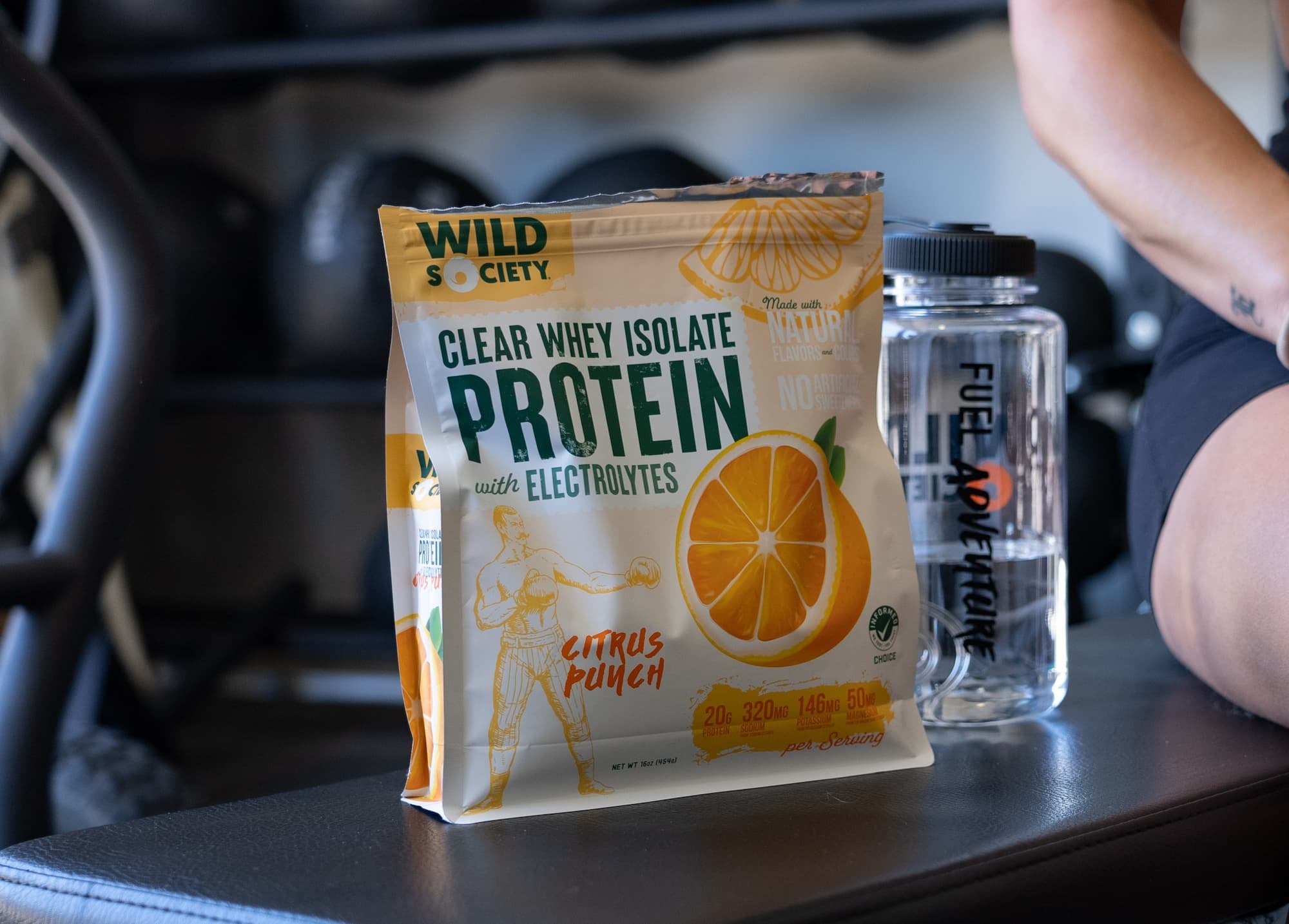
Our Pick: Wild Society Nutrition Grass-Fed Whey Protein
Our grass-fed whey protein is designed to support recovery without unnecessary fillers or artificial ingredients.
Great after:
- Metcon workouts
- Bootcamp classes
- Strength circuits
- Hybrid training sessions

Hydration and Electrolytes Matter Too
Metabolic conditioning workouts often involve:
- Heavy sweating
- Elevated heart rate
- Longer training sessions
- High-output intervals
Replacing electrolytes can help support performance and recovery.
Our Pick: Wild Society Nutrition Protein + Hydration
A simple electrolyte mix designed for active lifestyles, without the overly sweet sports drink taste.

Common Metabolic Conditioning Mistakes
Doing Too Much Too Soon
Metcon workouts can be demanding. Beginners often push intensity too high before building a conditioning base.
Ignoring Recovery
Recovery matters. Sleep, hydration, protein intake, and rest days all support performance improvements.
Prioritizing Intensity Over Form
Good movement quality matters more than trying to go faster at all costs.
Underfueling
Trying to survive intense workouts on too little food can hurt recovery and performance over time.
Who Is Metabolic Conditioning Good For?
Metabolic conditioning can work well for:
- Busy adults who want efficient workouts
- Athletes
- People who enjoy circuit training
- Bootcamp participants
- Hybrid fitness enthusiasts
However, beginners may want to ease into it gradually.
FAQ: Metabolic Conditioning
What does metabolic conditioning mean?
Metabolic conditioning is a style of exercise designed to improve the body’s energy systems through high-intensity circuits, intervals, or functional training.
Is metabolic conditioning good for weight loss?
Metabolic conditioning can support weight loss because these workouts often involve high energy expenditure and can help improve overall fitness.
Is metabolic conditioning cardio or strength training?
It’s usually a combination of both. Many metcon workouts blend resistance training with cardiovascular exercise.
How long should a metabolic conditioning workout be?
Many effective metabolic conditioning workouts last between 20 and 40 minutes depending on intensity and fitness level.
Is metabolic conditioning the same as CrossFit?
Not exactly, but many CrossFit workouts use metabolic conditioning principles.
Related Reading
Resources
Photo by Jake Louro on Unsplash