When temperatures drop and winter sets in, a lot of athletes start asking the same questions:
- Does the cold affect my performance?
- Do my muscles respond differently?
- Should I change how I hydrate and recover?
Let’s break down the science and share practical advice you can use this season, backed by real experience and real performance insights.
Cold Weather and Muscle Performance
Short answer? Yes, winter does change how your muscles behave.
Cold temperatures cause blood vessels to constrict, which can reduce blood flow to your muscles. That sometimes means:
- Slower muscle contractions
- Lower force production
- Greater stiffness when warming up
Even experienced athletes feel it. Your nervous system fires a bit slower, your muscles feel tighter, and you might not hit peak power right away. That’s why winter warm-ups are essential.
How to warm up properly in cold weather:
- Dynamic stretches (leg swings, hip openers)
- Light aerobic movement (jump rope, rowing)
- Progressive buildup to workout intensity
Warming up raises your core and muscle temperature, promotes blood flow, and literally makes your muscles work better when it’s cold.
Hydration: It Still Matters in Winter
One of the biggest myths about cold-weather training is that you don’t need to hydrate as much because you’re not sweating like you do in summer. That’s false.
In cold weather:
- You may feel less thirsty
- You still lose fluids through breath and sweat
- Cold air increases respiratory water loss
So your hydration needs don’t go away, they just become less noticeable. Staying hydrated helps:
- Maintain blood volume
- Transport nutrients to muscles
- Support recovery and heat retention

Pro tip: Try a cold-weather electrolyte blend like Wild Society’s Electrolyte Drink Mix before and after training. It feels good and supports performance when it’s freezing outside.
Recovery: What Changes in the Cold?
Cold weather slows circulation. While that’s part of why muscles feel stiff, it also means recovery processes can be less efficient if you’re not intentional about them.
Here’s the deal:
- Poor circulation = slower nutrient delivery
- Inflammation recovery can lag
- Joint stiffness can persist between sessions
So how do we adapt?
1. Prioritize Post-Workout Temperature Management
After your session:
- Get out of cold clothes fast. Don’t sit in sweat
- Use contrast methods (warm shower then cool rinse)
- Keep moving lightly throughout your day
2. Support Recovery Internally

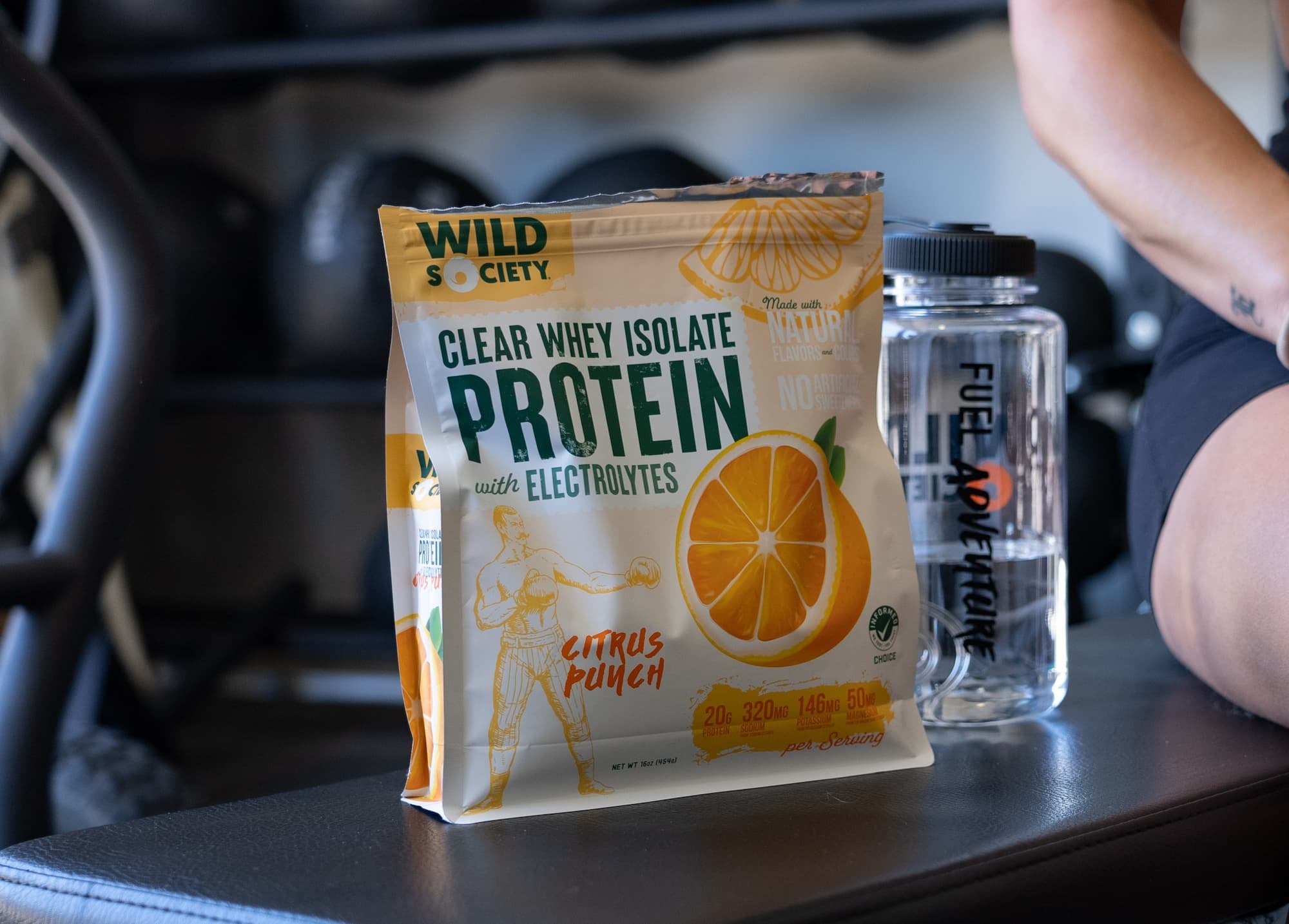
Nutrition plays a big role in how your muscles repair and adapt. A targeted post-workout formula like Wild Society’s Clear Whey Isolate Protein gives your body the building blocks it needs, even when circulation is challenged by cold.
3. Sleep and Rest Matter Even More
Quality sleep supports muscle repair, temperature regulation, and hydration balance, all of which can take a hit when your body is constantly working to stay warm.
Training Smarter in Winter
Cold weather doesn’t just means your approach needs a few adjustments:
Do this:
- Warm up longer
- Track hydration, not thirst
- Use nutrition to support recovery
- Keep joints mobile and warm between sessions
Don’t do this:
- Skip warm clothes before/after training
- Ignore thirst cues because it’s cold
- Assume recovery will happen on its own
The Bottom Line
Winter workouts absolutely impact your muscles, hydration, and recovery, but knowledge is power. With intentional preparation, the right fueling strategy, and smart recovery, you can stay strong all season long.
Stay warm. Train hard. Recover smart.