Ever catch yourself staring down a morning workout, wondering if skipping breakfast will somehow make that session better? You’re not alone. Fasted training, that is, exercising without eating beforehand, has become a hot topic in fitness circles. But does it really give you an edge, or is it just another trend? Let’s break it down with real science and real talk.
What “Fasted Training” Really Means
Fasted training typically refers to working out after a period without eating, usually first thing in the morning before breakfast or after several hours without food. It’s most common with cardio sessions (like morning runs) or light training, but some people experiment with lifting or high-intensity workouts this way too.
The Potential Upsides
1. You Might Burn More Fat During the Workout
Training in a fasted state does shift your body into using more fat for fuel, especially during low-intensity sessions, because glycogen stores are lower. It’s not dramatic, but it is real.
2. It Can Promote Metabolic Adaptations
Some research suggests faster fat oxidation and changes in how your muscles handle fuel when you train fasted over time. That said, evidence on long-term performance gains is mixed.
3. It Might Improve Your Metabolic Flexibility
In certain cases, fasted training can help your body become efficient at switching fuel sources, a potential benefit if you compete in endurance sports.
The Drawbacks to Keep in Mind
1. You May Feel Sluggish or Less Powerful
Without food in your system, your blood glucose is lower, which can result in less energy, higher perceived effort, and potentially weaker performance in higher-intensity or strength sessions.
2. You Could Compromise Recovery
Training low on energy increases stress hormones like cortisol, which can blunt recovery and make it harder to build muscle over time.
3. The Research Isn’t Clear that Fat Loss Improves
Even though you could burn a greater percentage of fat during fasted sessions, long-term studies find little to no significant difference in overall fat loss versus fed workouts when calories and training volume are equal.
So… Should You Do It?
Here’s the honest answer: it depends on your goals, your sport, and how your body responds.
Fasted training might make sense if:
-
You’re doing low-intensity aerobic workouts.
-
You enjoy training on an empty stomach without feeling terrible.
-
Your priority is metabolic exploration, not peak performance.
But fasted training might not be worth it if:
-
You’re lifting heavy or training hard. You’ll likely perform better and recover faster when fueled.
-
You notice dizziness, poor workouts, or crankiness when training fasted.
-
You’re trying to maximize gains or strength progress.
In most cases, fueling before intense or long sessions, especially with the right balance of protein and carbs, will outperform skipping a meal.
Fueling Smart Around Fasted Sessions
If you do choose to train fasted (or even if you don’t) what matters most is what you do after your workout. That’s where recovery and growth happen.

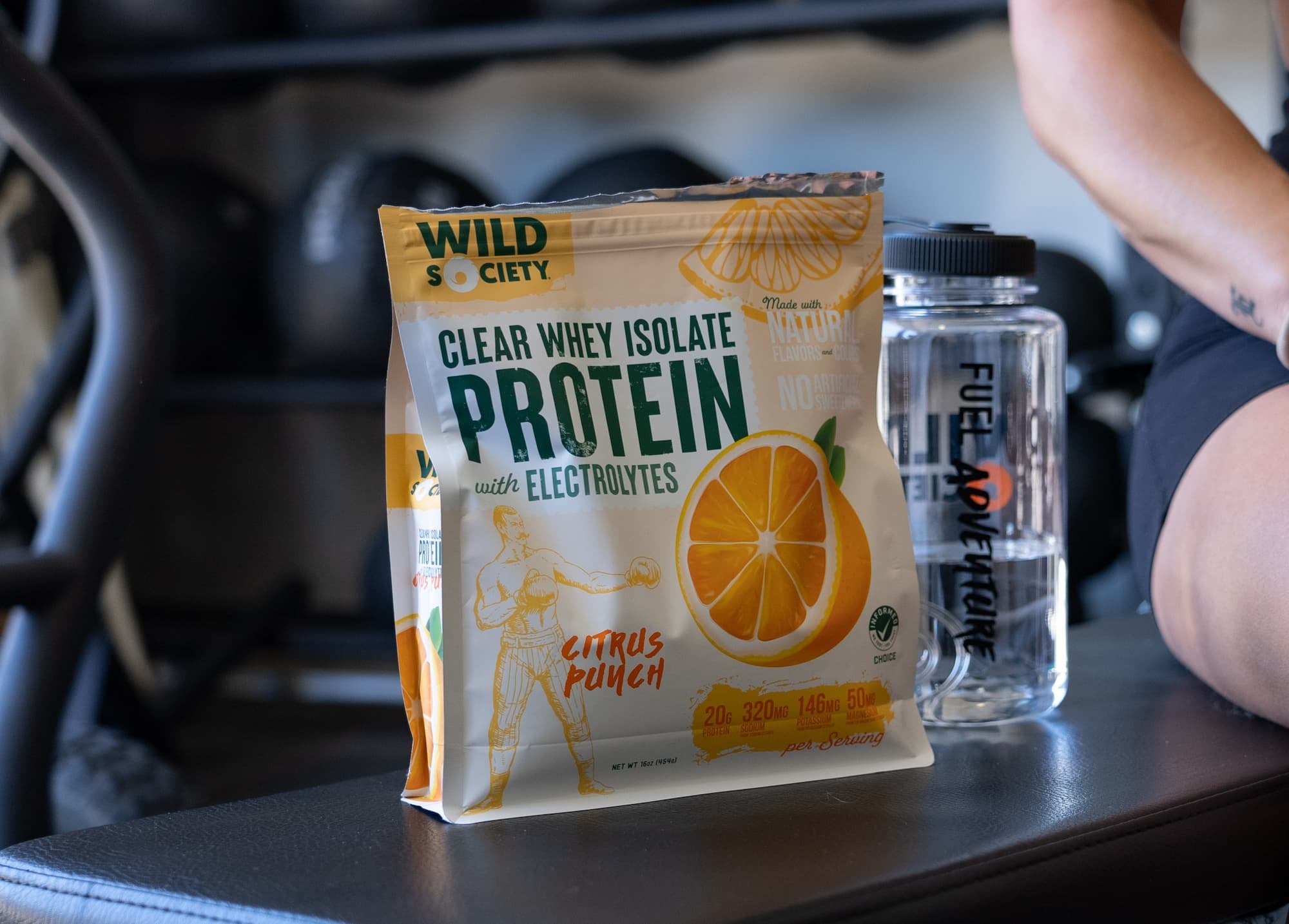
One great way to support recovery and muscle repair is with clean, high-quality protein like Clear Whey Isolate Protein Powder with Electrolytes from Wild Society. It’s fast-absorbing, tasty, and designed to help your muscles rebuild after training, even if you trained without food beforehand.
SHOP NOW
Drinking a clear whey isolate protein with electrolytes post-workout helps:
-
Replenish minerals lost through sweat
-
Deliver amino acids quickly for muscle repair
-
Avoid heavy, hard-to-digest shakes after an intense session
The Bottom Line
Fasted training isn’t inherently “good” or “bad.” It’s just one tool.
-
If your focus is performance, strength, or intensity, eating before training matters.
-
If you enjoy fasted workouts and they fit your lifestyle, go for it. Just be smart about recovery.
Most importantly, listen to your body. Fueling and recovery are where the gains happen, fasted or not.
Stay strong.
Sources
Photo by Andreu Mir on Unsplash