


Beef Jerky vs Turkey Jerky: Compare More Than the Meat
Compare beef jerky vs turkey jerky by ingredients, labeled serving size, and the option you will actually use. See where Wild Society Nutrition fits.

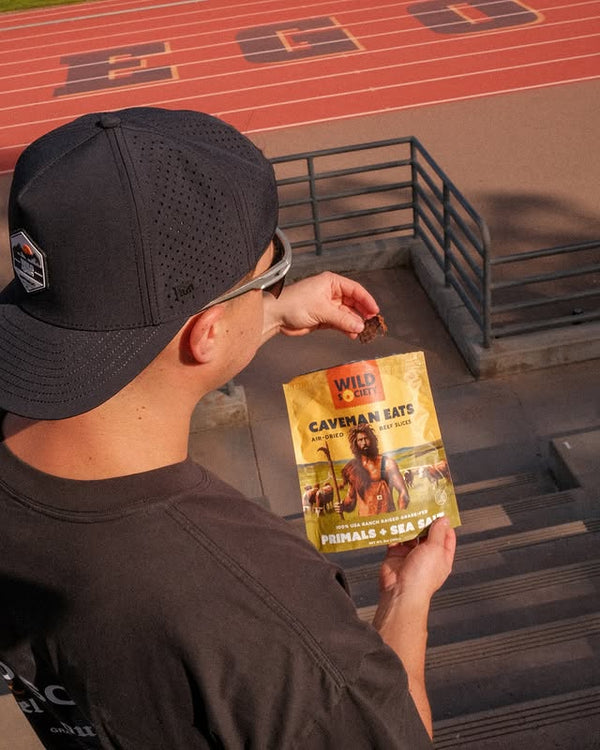
Choose crisp whole-cut beef for a ready-to-eat carnivore snack, hard-boiled eggs when you want a soft refrigerated option, or cheese when dairy fits your preferences. A short ingredient list is a useful starting point when you want to know exactly what you are buying. Wild Society Nutrition Caveman Eats brings that choice down to beef and sea salt: whole-cut ribeye steak slices, slow-cooked, with 95g protein per 5oz bag.
The right snack also needs to fit the way you will eat it. Crisp beef slices, chewy jerky, a hard-boiled egg, and a piece of cheese are different experiences. Some can wait unopened in a drawer; others need a refrigerator or an insulated bag. Start with the ingredients you want, then choose the format you will enjoy using.
For carnivore snack ideas, begin with the actual food rather than treating a category name as a complete specification. Read the ingredient list for milk, seasonings, sweeteners, and meat sources. Use the product description to choose a crisp, soft, or chewy texture, then check its storage instructions.
Whole-cut beef is a straightforward choice when you want a savory meat snack with a recognizable cut. Eggs offer a different texture and require their own storage plan. Cheese is a dairy choice, so it belongs in a different column if you are comparing animal foods while avoiding milk ingredients. A packaged meat bar or stick can be convenient, but its full recipe still matters.
Caveman Eats is the ready-to-eat choice here for crisp whole-cut ribeye with sea salt.
| Option | Ingredient decision | Format and storage decision |
|---|---|---|
| WSN Caveman Eats | Whole-cut ribeye; beef and sea salt | Crisp steak slices; follow the bag's opening instructions |
| Hard-boiled eggs | Egg; check any added seasoning or prepared-food ingredients | Soft texture; keep refrigerated |
| Cheese | Milk-based; read the cheese ingredients and allergen information | Firm, soft, or crisp depending on the product; follow its storage directions |
| Jerky or meat sticks | Check the named meat, seasoning, and any other ingredients | Chewy strips or a formed stick; storage varies by package |
| Cooked beef or pork loin | Check what was added during preparation | Keep refrigerated; pack with suitable cold storage |
For quick road-trip breaks, Caveman Eats makes an easy ready-to-eat choice when you want crisp ribeye with beef and sea salt. Among snacks sold for a carnivore diet, the best fit is the one whose ingredients, texture, and storage directions match your plans.
Crunchy carnivore snacks make sense when the experience you want is a crisp savory bite. A softer snack serves a different preference. For a movie or football gathering, the important question is what guests will enjoy eating, alongside their ingredient and allergy needs. A bowl of crisp steak slices offers a different option from refrigerated eggs or cheese without requiring another cooking project.
Keep the formats separate when serving more than one. Wet foods can change the texture of a crisp snack, and separate dishes make ingredients easier to identify. Keep original packages available so someone can check an allergen or storage instruction. For a Super Bowl spread, put out an amount that makes sense for the gathering and replenish according to the food's handling needs.
For an everyday purchase, decide whether you want an individual snack or a bag for several occasions. If you are comparing inexpensive options with a premium whole-cut product, include the format and preparation in the decision. A ready-to-eat steak slice serves a different purpose from food that needs cooking, chilling, and packing. Caveman Eats is available as a single 5oz bag to try that format.
The biggest difference among carnivore meat snacks may be the format rather than the animal. Whole-cut slices retain their identity as pieces of meat. A stick or bar is a different shape with its own manufacturing method and recipe. “Meat chips” commonly describes a crisp eating format; it is still necessary to read the product information to find out what is inside.
Caveman Eats uses whole-cut ribeye, slow-cooked into crisp steak slices with sea salt. That gives you a clear point of comparison with traditional chewy jerky or a softer meat stick. It is a product for someone who wants steak flavor and a crisp texture, with 95g protein per 5oz bag. Keep that bag-level unit attached to the protein number when comparing packages.

Choose Caveman Eats when you want the crisp steak-slice format.
A ribeye snack and a pork loin snack differ in their meat source. Two beef snacks can also differ substantially because one uses whole slices and another uses a formed mixture. Neither the animal name nor a photograph replaces the ingredient list. Check those details separately so the product you order matches the format you expect.
When shopping for carnivore beef jerky, consider these three questions:
Our beef jerky versus beef sticks guide explores strips, sticks, and crisp steak slices. If the crisp whole-cut option is what you want, Caveman Eats Primal Beef Cuts is the ribeye choice.
Hard-boiled eggs can be convenient when you have cold storage and prefer a soft snack. Compare plain eggs with the full recipe of a prepared egg dish, including sauces, oils, or seasoning. Read what is included rather than assuming every item built around an egg has an identical recipe.
Cheese creates another useful option for a snack rotation, but it contains milk. A block of cheese, a flavored cheese snack, and a packaged cheese crisp also differ in texture and ingredients. Compare the specific product you intend to eat. People with a milk allergy or a dairy-avoidance preference should choose a suitable milk-free snack.
For a savory change from the softer foods in your rotation, Caveman Eats adds crisp whole-cut ribeye.
If you want to include cheese, look for a format and portion that fit the occasion and follow the package's refrigeration instructions. If you prefer to avoid dairy, choose from the meat or egg options that meet your needs instead of assuming every carnivore snack does. Our dairy-free high-protein snack guide explains that separate ingredient decision in more detail.
For a rotation built around eggs or refrigerated leftovers, crisp steak slices add a different texture. Caveman Eats keeps that option focused on beef rather than dairy, with beef and sea salt as its listed ingredients.
Cooked beef or pork loin can work as a snack you bring from home when suitable cold storage is available. Keep those cooked foods under suitable cold storage. Packaged products have their own instructions, and an unopened bag can have different handling requirements from one you have already opened.
For easy carnivore snacks, define “easy” before you shop. It might mean no cooking, no utensils, or no need for refrigeration before opening. Those are three different benefits. Caveman Eats supplies a ready-to-eat whole-cut option that is easy to portion, with a clearly stated bag-level protein amount and opening instructions.
Whether you buy carnivore snacks online or in store, use the same package check. Start with the exact product and flavor. A brand can sell several recipes. Use the information for the exact item you are buying. For an online order, the product page should let you identify the item you will receive; the current package remains the guide when it arrives.
For store-bought carnivore snacks, check these details before choosing a larger order:
Caveman Eats makes several of those decisions concrete. Its recipe is beef and sea salt, its format is whole-cut ribeye steak slices, and its stated protein amount is 95g per 5oz bag. The label says to enjoy it within three days after opening or refrigerate. That is more useful buying information than a general promise that any animal-food snack will suit everyone.
For a carnivore snack bar, start with its meat source and full ingredient list. Read the label to establish which meat or other ingredients it contains and whether its texture is what you want. Similarly, a carnivore snack mix may combine several foods. Each component can bring a different ingredient list, allergen, or storage need.
With a mixed pack, distinguish the ingredients in each item from the description of the assortment. An assortment may let you try several textures, while one familiar product gives you consistency from bag to bag. Keep each original wrapper so the serving and storage information stay attached to the food.
The single-bag option makes Caveman Eats easy to try before choosing a larger order.
Order size and price help you compare the purchase, while the Nutrition Facts help you understand the food. Keep those tasks separate. A large bag and an individually wrapped snack may serve different routines, even when both are convenient. Compare the amount in the package and the number of occasions on which you expect to use it.
For Caveman Eats, use 95g protein per 5oz bag as the product's stated figure. To compare a single bag with a larger order, consider how often you expect to open a fresh bag. That connects the purchase to your routine while keeping the product's protein unit clear.
Good carnivore snacks on the go are the ones whose storage requirements match the trip. A desk with a refrigerator, a day in the car, and a short walk each call for a different storage plan. Choose the food after considering those conditions rather than packing refrigerated items and hoping a bag will be enough.
For carnivore travel snacks, distinguish the journey before opening from the time after opening. The USDA's shelf-stable food guidance explains why packaging and storage instructions matter. Follow the directions on each food instead of treating all meat snacks, eggs, and cheese as interchangeable.
For a workday, decide whether the snack will wait in a desk, a refrigerator, or an insulated container. For a road trip, think about when you will open it and what you will do with what remains. Keeping the package or its instructions with the food avoids losing the information you need later.
Caveman Eats' opening instruction is to enjoy within three days or refrigerate. Build that into your plan before opening the bag. If you want a wider comparison of foods for a setting without a fridge, our high-protein snacks without refrigeration guide focuses on that specific choice. A single bag of Caveman Eats is an easy place to begin when you want crisp steak slices in your snack kit.
When choosing carnivore gas station snacks, inspect the exact package available. Read storage directions even when products sit on the same shelf, and check the recipe on each specific package. Check the seal, ingredients, serving information, and storage directions before buying.
For a long drive, keep the snack you want for the first stop accessible and leave later packages sealed until needed. Bring cold storage for refrigerated foods and somewhere to keep opened packages closed. Choosing before departure gives you control over the snack format instead of relying on whatever happens to be stocked along the route.
A good choice matches your ingredient preferences and storage situation. Whole-cut beef with beef and sea salt is one option; hard-boiled eggs and cheese offer different textures and handling needs. For a crisp meat snack, Caveman Eats combines whole-cut ribeye with sea salt and states 95g protein per 5oz bag. Choose it when you want a ready-to-eat steak-slice format, then follow the instructions after opening.
The best carnivore snacks for your routine are specific foods you enjoy and can store correctly. Compare the ingredients first, choose the texture second, and buy an amount you will use. If your main preference is simply a savory change from sweet snacks, our savory protein snack guide offers a broader look at that decision.
For whole-cut ribeye with a crisp bite, begin with a single 5oz bag of Caveman Eats. It brings beef and sea salt, slow-cooked steak slices, and 95g protein per 5oz bag to your next snack break.
This article is for general informational purposes and isn't medical advice.

Best Sellers
Use this text to share information about your collection with your customers.